 EN
EN
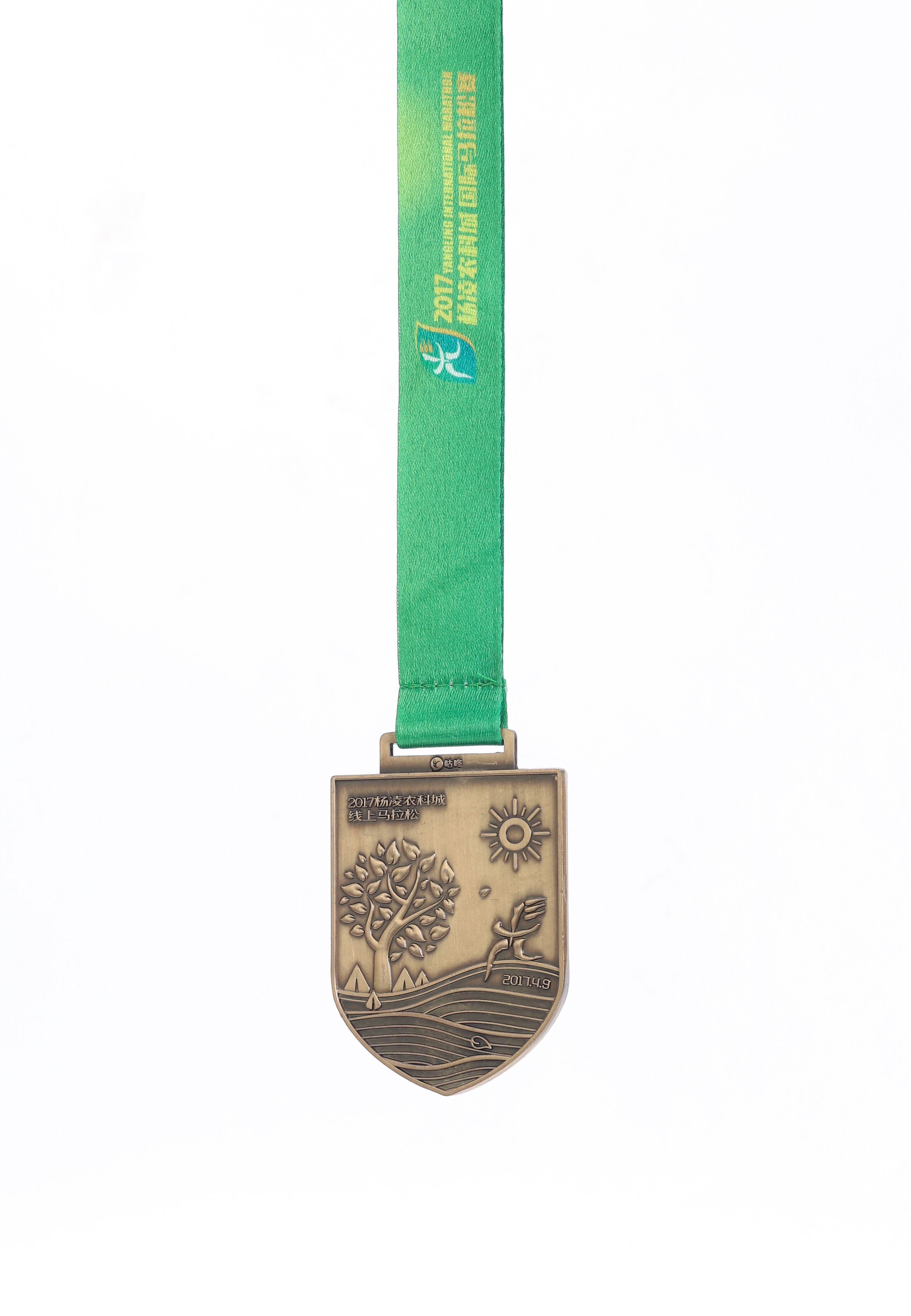
In today's interconnected world, creating custom medals that resonate with diverse global audiences requires a sophisticated understanding of cultural nuances, universal design principles, and manufacturing excellence. The art of designing custom medals transcends traditional boundaries, demanding careful consideration of symbolism, materials, and aesthetic preferences that can bridge cultural gaps while maintaining visual impact. Organizations across industries recognize that well-designed custom medals serve as powerful ambassadors of achievement, carrying messages that must be universally understood and appreciated regardless of geographical or cultural context.
Understanding Global Design Principles for Award Recognition
Universal Symbolism in Medal Design
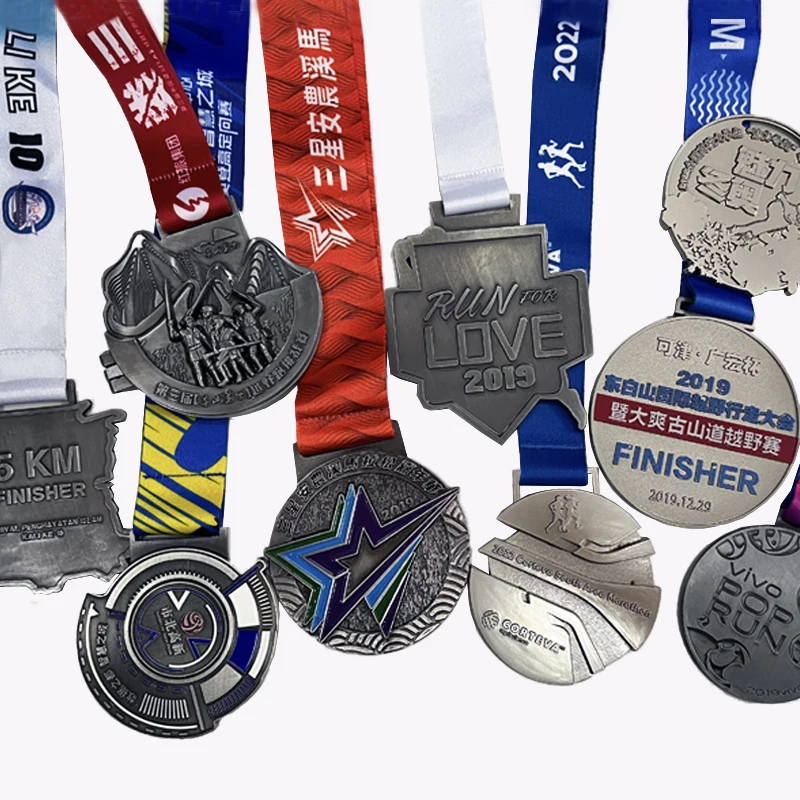
The foundation of globally appealing custom medals lies in understanding symbols that transcend cultural boundaries. Geometric patterns, celestial motifs, and nature-inspired elements often communicate achievement and excellence across diverse populations. These universal symbols create immediate recognition while avoiding potentially offensive or misunderstood cultural references. When designing custom medals for international competitions or multinational corporations, incorporating elements like laurel wreaths, stars, or abstract representations of victory ensures broad acceptance and understanding.
Contemporary medal designers increasingly favor minimalist approaches that emphasize clean lines and timeless aesthetics. This design philosophy allows custom medals to maintain relevance across different cultural contexts while providing flexibility for customization. The strategic use of negative space, balanced proportions, and carefully selected typography contributes to medals that feel both modern and respectful of traditional recognition practices found in various cultures worldwide.
Color Psychology Across Cultures
Color selection plays a crucial role in creating custom medals with global appeal, as different cultures associate varying meanings with specific hues. While gold universally represents excellence and achievement, designers must carefully consider secondary colors that might carry negative connotations in certain regions. For instance, red symbolizes good fortune in many Asian cultures but can represent danger or prohibition in Western contexts. Successful custom medals often employ neutral color palettes with strategic accent colors that enhance rather than dominate the overall design.
The finish and texture of custom medals also contribute to their global acceptance. Matte finishes tend to photograph well under various lighting conditions, making them ideal for social media sharing and international publicity. Polished surfaces create elegant reflections that appeal to traditional sensibilities, while antique finishes convey gravitas and historical significance. Understanding these preferences helps designers create custom medals that photograph beautifully and display impressively regardless of the cultural context in which they are presented.
Material Selection and Manufacturing Considerations
Choosing Appropriate Metals for Global Standards
The selection of base materials significantly impacts both the perceived value and practical durability of custom medals designed for global distribution. Zinc alloy has emerged as a popular choice for its excellent detail retention, corrosion resistance, and cost-effectiveness when producing large quantities. This material allows for intricate three-dimensional designs while maintaining structural integrity across various climate conditions. For premium applications, bronze and brass offer traditional appeal with enhanced durability, making them suitable for custom medals intended as long-term commemorative pieces.
Advanced manufacturing techniques enable the creation of custom medals with complex geometries and fine details that were previously impossible to achieve. Die-casting processes allow for consistent reproduction of intricate designs while maintaining quality standards across thousands of units. This reliability becomes essential when producing custom medals for global events where consistency and quality must remain uniform regardless of production batches or manufacturing locations.
Surface Treatments and Finishing Options
Modern surface treatment technologies provide numerous options for enhancing the visual appeal and longevity of custom medals. Electroplating processes can apply gold, silver, or copper finishes that resist tarnishing while providing luxurious appearances. Anti-aging treatments ensure that custom medals maintain their intended appearance over time, regardless of environmental conditions or handling frequency. These technical considerations become particularly important for awards that recipients will treasure for years or display in varying conditions.
Specialized coating applications can provide additional protection against fingerprints, scratches, and environmental damage while maintaining the tactile quality that makes custom medals satisfying to hold and examine. Clear protective coatings preserve the underlying finish while adding subtle depth to the overall appearance. These technical enhancements contribute to the professional presentation that global audiences expect from high-quality recognition awards.
Cultural Sensitivity and Design Adaptation
Regional Preferences in Medal Aesthetics
Successful custom medals designed for global appeal must balance universal design principles with subtle acknowledgment of regional aesthetic preferences. European audiences often appreciate classical proportions and traditional heraldic elements, while Asian markets may favor designs incorporating prosperity symbols or geometric patterns representing harmony. American preferences tend toward bold, immediately recognizable imagery that photographs well for social media sharing. Understanding these nuanced preferences allows designers to create custom medals that feel locally relevant while maintaining broad international appeal.
Typography selection becomes particularly crucial when designing custom medals for multilingual environments. Sans-serif fonts typically provide better readability across different languages and alphabet systems, while ensuring that engraved text remains legible at small sizes. Careful spacing and character selection prevent common translation issues that could compromise the professional appearance of custom medals when adapted for different linguistic markets.
Avoiding Cultural Pitfalls in Design Elements
Professional medal designers maintain extensive databases of cultural symbols and their various interpretations across different societies. This knowledge prevents inadvertent inclusion of elements that might be considered inappropriate or offensive in certain regions. For example, religious symbols, political imagery, or animals with specific cultural significance require careful consideration when designing custom medals for international distribution. The goal involves creating designs that feel inclusive and respectful while maintaining visual impact and memorability.
Gender representation in figurative designs requires particular attention when creating custom medals for global audiences. Contemporary design practices favor abstract or universal human forms that avoid stereotypical representations while still conveying achievement and excellence. This approach ensures that custom medals feel appropriate and inspiring regardless of the recipient's gender, cultural background, or personal beliefs about representation in award design.
Technical Specifications for Global Production
Size and Weight Standards
International shipping and presentation requirements influence the optimal dimensions and weight specifications for custom medals intended for global distribution. Standard sizes typically range from 60mm to 80mm in diameter, providing sufficient surface area for detailed designs while remaining practical for packaging and presentation. Weight considerations become important for shipping costs and presentation cases, with most custom medals targeting 80-120 grams to feel substantial without becoming cumbersome for recipients or expensive to ship internationally.
Thickness specifications impact both the visual presence and manufacturing requirements of custom medals. Minimum thickness requirements ensure structural integrity during handling and display, while maximum thickness limitations prevent complications with standard presentation cases and ribbon attachments. Professional custom medals typically maintain 3-4mm thickness to provide sufficient depth for detailed relief work while remaining compatible with standard medal presentation accessories.
Quality Control and Testing Procedures
Rigorous quality control procedures ensure that custom medals meet international standards for durability and appearance consistency. Testing protocols evaluate finish adhesion, color stability, and structural integrity under various environmental conditions. These procedures become particularly important when custom medals will be distributed across different climate zones where temperature and humidity variations could affect long-term appearance and functionality.
Packaging and presentation considerations require coordination with international shipping requirements and local presentation customs. Custom medals must arrive in pristine condition regardless of shipping duration or handling procedures. Professional packaging solutions protect the finish while providing impressive presentation that enhances the recipient experience. This attention to detail contributes to the overall perception of quality that global audiences expect from premium recognition awards.
Market Research and Audience Analysis
Understanding Regional Award Traditions
Comprehensive market research reveals significant variations in how different cultures approach recognition and award presentation. Some regions emphasize ceremony and formal presentation, requiring custom medals that photograph well under stage lighting and complement formal attire. Other markets prioritize personal connection and individual achievement, suggesting designs that feel more intimate and personally meaningful. Understanding these preferences helps designers create custom medals that align with local expectations while maintaining universal appeal.
Historical context influences contemporary preferences for custom medals in different global markets. Regions with strong military traditions may appreciate designs incorporating elements reminiscent of service medals, while areas with rich artistic heritage might favor more ornate and decorative approaches. This cultural awareness enables designers to create custom medals that feel authentic and appropriate within their intended cultural context while avoiding designs that might seem foreign or inappropriate.
Technology Integration and Modern Expectations
Contemporary audiences increasingly expect custom medals to integrate with digital sharing and social media platforms. This requirement influences design decisions regarding photogenic qualities, social media dimensions, and hashtag-friendly elements. Modern custom medals must perform well in both physical presentation and digital sharing contexts, ensuring that recipients feel proud to display their achievements across various platforms and communication channels.
QR code integration and digital authentication features represent emerging trends in custom medals designed for tech-savvy global audiences. These features can link to achievement verification, event information, or personalized messages that enhance the overall award experience. Such technological integration must be implemented thoughtfully to enhance rather than detract from the traditional significance and visual appeal of custom medals as physical recognition objects.
FAQ
What materials work best for custom medals intended for global distribution?
Zinc alloy offers the optimal balance of durability, detail retention, and cost-effectiveness for custom medals designed for international distribution. This material resists corrosion across various climate conditions while allowing for intricate three-dimensional designs. For premium applications, bronze and brass provide enhanced durability and traditional appeal, though at higher production costs. The choice depends on budget requirements, intended longevity, and the specific cultural context of the presentation.
How can designers ensure custom medals appeal to diverse cultural audiences?
Successful global custom medals employ universal symbols like geometric patterns, celestial motifs, and nature-inspired elements that transcend cultural boundaries. Avoiding religious, political, or culturally specific imagery prevents misunderstandings while maintaining broad appeal. Neutral color palettes with strategic accent colors, combined with clean typography and balanced proportions, create designs that feel appropriate and respectful across different cultural contexts while remaining visually impactful.
What size specifications work best for international custom medals?
Standard diameters between 60mm and 80mm provide sufficient surface area for detailed designs while remaining practical for packaging and international shipping. Target weights of 80-120 grams ensure custom medals feel substantial and valuable without becoming expensive to ship or cumbersome to handle. Thickness specifications of 3-4mm allow for detailed relief work while maintaining compatibility with standard presentation cases and ribbon attachments used globally.
How do shipping and presentation requirements affect custom medal design?
International shipping requirements influence material selection, packaging design, and finish durability specifications for custom medals. Designs must account for various climate conditions during transit while ensuring consistent appearance upon arrival. Presentation considerations vary by culture, with some regions emphasizing formal ceremony and others focusing on personal recognition. Professional packaging solutions must protect the medal while providing impressive presentation that enhances the recipient experience regardless of geographical location.