 EN
EN
For collectors, investors, and gift buyers alike, purchasing a commemorative coin is rarely a purely impulsive decision. Unlike everyday purchases, a commemorative coin carries historical significance, artistic craftsmanship, and the potential for lasting monetary or sentimental worth. The evaluation process buyers undertake before committing to a purchase — and the factors they revisit when reassessing their collections over time — reflects a layered, deliberate approach that blends practical judgment with emotional resonance.
Understanding how buyers actually measure the long-term value of a commemorative coin is essential for anyone operating in the collectibles market — whether you are a manufacturer, a retailer, a corporate buyer sourcing premium gifts, or a private enthusiast building a curated collection. The criteria are more nuanced than simply tracking spot metal prices. A genuine long-term value assessment involves design quality, historical context, material composition, mintage limits, provenance, and secondary market dynamics. This article unpacks each of these dimensions in practical depth.
The Core Criteria Buyers Use to Judge Long-Term Value
Historical and Thematic Significance
One of the first filters a buyer applies to any commemorative coin is the significance of the theme or event it represents. A coin that marks a globally recognized milestone — a centenary, a treaty, a landmark scientific achievement — carries inherently stronger narrative weight than one tied to a minor or obscure occasion. This narrative weight translates directly into sustained collector demand over the years, because the historical importance of the event does not diminish with time.
Buyers with long-term value in mind look beyond the immediate novelty of a commemorative coin release. They consider whether the theme will remain culturally relevant in five, ten, or twenty years. Events with deep national or civilizational meaning tend to create coins with enduring appeal, while those tied to short-lived trends may lose collector interest rapidly. Thematic depth, in short, is a foundational pillar of long-term value.
Corporate buyers sourcing commemorative coins for institutional gifting often prioritize this same quality. A coin that commemorates a company's founding anniversary, for example, must tell a compelling story that employees and stakeholders will value for decades. The stronger the story, the more likely the commemorative coin will be preserved rather than discarded.
Design Quality and Artistic Execution
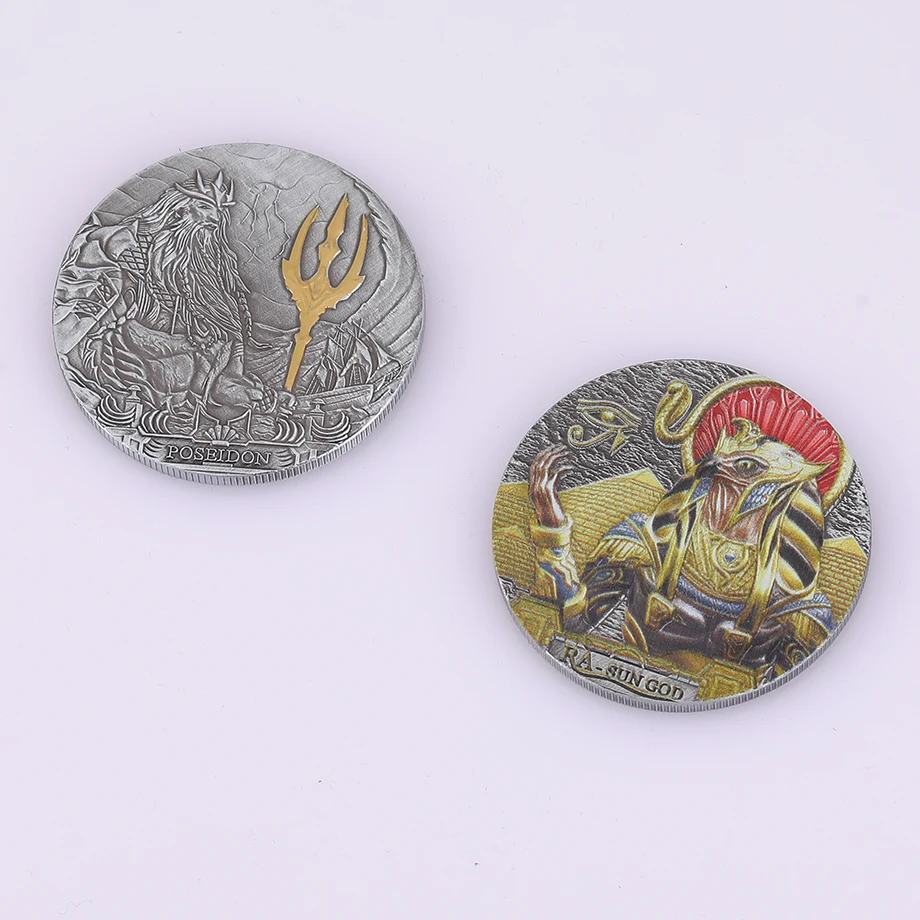
Beyond the theme, buyers closely scrutinize the artistic quality of a commemorative coin. A high-quality commemorative coin typically features precise relief sculpting, fine detail in both the obverse and reverse designs, sharp lettering, and a finish that reveals skilled craftsmanship. Double-sided 3D relief designs, antique finishes, and intricate edge milling are all features that experienced buyers associate with premium long-term value.
Buyers in the B2B segment — procurement managers ordering corporate awards or promotional collectibles — apply equally rigorous scrutiny. They understand that the perceived prestige of the commemorative coin is a direct reflection of their organization's brand. Poorly executed designs with visible casting imperfections, uneven finishes, or blurred imagery undermine the perceived value of the coin and, by extension, the gifting occasion it represents.
High-end commemorative coin collectors often build reference libraries of design standards from respected mints and manufacturers so they can make informed comparisons. They know that exceptional artistic execution adds a secondary layer of value beyond the metal content itself, making even base-metal coins with brilliant design command strong premiums in the secondary market.
Material Composition and Its Role in Value Retention
Metal Choice and Its Long-Term Implications
The material used to produce a commemorative coin is a central factor in how buyers assess its ability to retain value over time. Precious metal coins — those struck in gold, silver, or platinum — have a built-in floor of intrinsic value tied to the global commodity market. Even if collector demand softens, the metal content itself provides a baseline valuation that protects the buyer's investment.
Bronze and antique silver commemorative coin types occupy a distinct and respected position in the collectibles market. Antique-finish bronze and silver coins often appeal strongly to historians and thematic collectors because the aged aesthetic aligns with the historical nature of the commemorated event. A well-produced antique silver commemorative coin with double-sided 3D detailing, for instance, can command prices far above its raw metal value due to its artistic and historic character.
Buyers evaluating base-metal commemorative coins — those made from zinc alloy, brass, or copper alloy — rely more heavily on the other quality indicators: mintage, design, provenance, and thematic relevance. For B2B buyers sourcing in volume, base-metal options offer cost efficiency without sacrificing presentation, provided that the design execution and surface finish are executed to a premium standard.
Surface Finish, Plating Quality, and Durability
A commemorative coin's finish determines how it ages visually over the coming years. Buyers with long-term preservation in mind pay close attention to the type of plating used — whether it is gold plating, silver plating, or a chemical antique treatment — and assess the thickness and adhesion quality of the finish. A thin or poorly bonded plating will oxidize unevenly, chip, or peel over time, dramatically reducing the coin's aesthetic and market value.
Professional buyers often request samples before placing large orders, examining the finish under magnification to check for uniformity, pitting, or surface inclusions. The patina behavior of an antique-finish commemorative coin is particularly scrutinized, as a well-applied antique treatment should enhance the depth of the relief design rather than obscure it. A coin that ages gracefully is one that retains its beauty and value through decades of handling and display.
Mintage Limits and Rarity as Value Drivers
Why Limited Editions Matter to Long-Term Buyers
Scarcity is one of the oldest and most reliable drivers of collectible value, and buyers evaluating a commemorative coin are acutely aware of this dynamic. A commemorative coin produced in a strictly limited edition — especially one with a numbered certificate of authenticity — signals to the market that supply will never increase beyond a defined threshold. This creates a natural upward pressure on value as demand from new collectors enters the market over time.
Experienced buyers closely examine mintage figures when evaluating a commemorative coin for long-term investment. A coin with a mintage of 500 pieces will almost always appreciate more consistently than one struck in quantities of 50,000. The mathematics of scarcity are straightforward: fewer coins in circulation means each surviving piece commands greater individual importance and desirability among the global collector community.
For corporate buyers commissioning custom commemorative coins, controlling mintage deliberately is a powerful strategy for increasing the perceived prestige of the item. When recipients know they hold one of only 200 coins ever produced for a particular milestone, the commemorative coin becomes a genuine keepsake rather than a generic promotional item.
Provenance, Certification, and Documentation
Alongside mintage, provenance plays a decisive role in how buyers gauge the long-term credibility and value of a commemorative coin. Provenance refers to the traceable history of the coin's origin, ownership, and authentication. A coin accompanied by formal documentation — original mint certificates, numbered editions, assay cards for precious metal pieces, or detailed origin records — is significantly easier to sell or insure at a fair valuation than an undocumented piece.
Buyers who plan to resell or inherit their commemorative coin collections understand that documentation is an investment in itself. Coins with clean, verifiable provenance attract more serious bidders at auction, sell faster in private transactions, and command higher prices than comparable pieces lacking documentation. The institutional trust created by proper certification cannot be replicated retroactively, which is why smart buyers prioritize documentation at the point of purchase.
Secondary Market Dynamics and Resale Considerations
How Secondary Market Trends Inform Buying Decisions
Sophisticated buyers do not evaluate a commemorative coin in isolation — they study the secondary market trajectory of comparable pieces before making purchasing decisions. Online auction platforms, numismatic dealer price guides, and coin show results all provide data on how specific categories of commemorative coins have performed over time. This research shapes realistic expectations about value growth potential.
Buyers who track secondary market data understand that certain categories of commemorative coins consistently outperform others. Coins celebrating significant national or geopolitical events, anniversary issues from respected government mints, and pieces featuring rare metals or unusual production techniques all tend to generate strong resale results. Meanwhile, mass-produced commemorative coin releases without thematic distinction often stagnate in the secondary market for years.
For B2B buyers, secondary market awareness also informs procurement strategy. Organizations that choose commemorative coins featuring timeless design standards and premium material quality are investing in items that their recipients will value and potentially preserve as heirlooms. This indirectly benefits the gifting organization's brand reputation by associating it with lasting quality rather than disposable novelty.
Condition Grading and Storage Impact on Future Value
The long-term value of any commemorative coin is closely tied to the condition in which it is maintained. Buyers familiar with numismatic grading standards know that even minor surface contact, fingerprints, or exposure to humidity can reduce a coin's grade — and consequently its market value — by a significant margin. Condition preservation is therefore an active part of the value management process.
Professional collectors store their commemorative coins in archival-quality capsules, velvet-lined presentation cases, or climate-controlled coin cabinets. They handle pieces minimally and only with clean cotton gloves. Buyers who intend to resell often submit high-value pieces to professional grading services, whose encapsulated 'slabbed' coins carry market premiums because their condition has been independently certified and cannot be tampered with.
For B2B buyers supplying commemorative coins as gifts, the packaging quality directly affects the recipient's perception of value and their likelihood of preserving the piece. A premium coin presented in a poorly constructed box signals neglect; the same coin presented in a velvet-lined hardwood case or a custom acrylic display signals that the commemorative coin was selected with care and is intended to be treasured.
FAQ
What makes one commemorative coin more valuable than another over time?
The long-term value of a commemorative coin is determined by a combination of factors including historical significance, design quality, mintage limit, material composition, and the quality of accompanying documentation. Coins tied to enduring historical events, produced in limited quantities, and finished to a high artistic standard consistently outperform mass-produced pieces in secondary market valuations over time.
Is metal content the most important factor in a commemorative coin's long-term value?
Metal content provides a baseline floor for value in precious-metal commemorative coins, but it is rarely the dominant factor. Design execution, thematic relevance, mintage scarcity, and condition often contribute more significantly to price appreciation in the collector market. Base-metal commemorative coins with outstanding artistic quality and strict mintage limits frequently outperform silver coins with poor design or unlimited issue numbers.
How should a buyer verify the authenticity of a commemorative coin?
Buyers should request formal documentation including mint certificates, numbered edition records, and material assay cards where applicable. For high-value pieces, third-party professional grading and encapsulation services provide an additional layer of independent authentication. Examining the coin under magnification for die detail consistency and finish quality is also a useful practical step when evaluating a commemorative coin purchase.
Does the packaging of a commemorative coin affect its long-term value?
Yes, packaging plays a meaningful role in long-term value preservation. Original mint packaging in excellent condition adds a collectibility premium that missing or damaged packaging cannot recover. For buyers in the B2B segment, premium presentation packaging also directly influences how recipients perceive and preserve the commemorative coin, making it more likely to be kept and valued for years to come.