 EN
EN
Creating Meaningful Recognition Through Personalized Awards
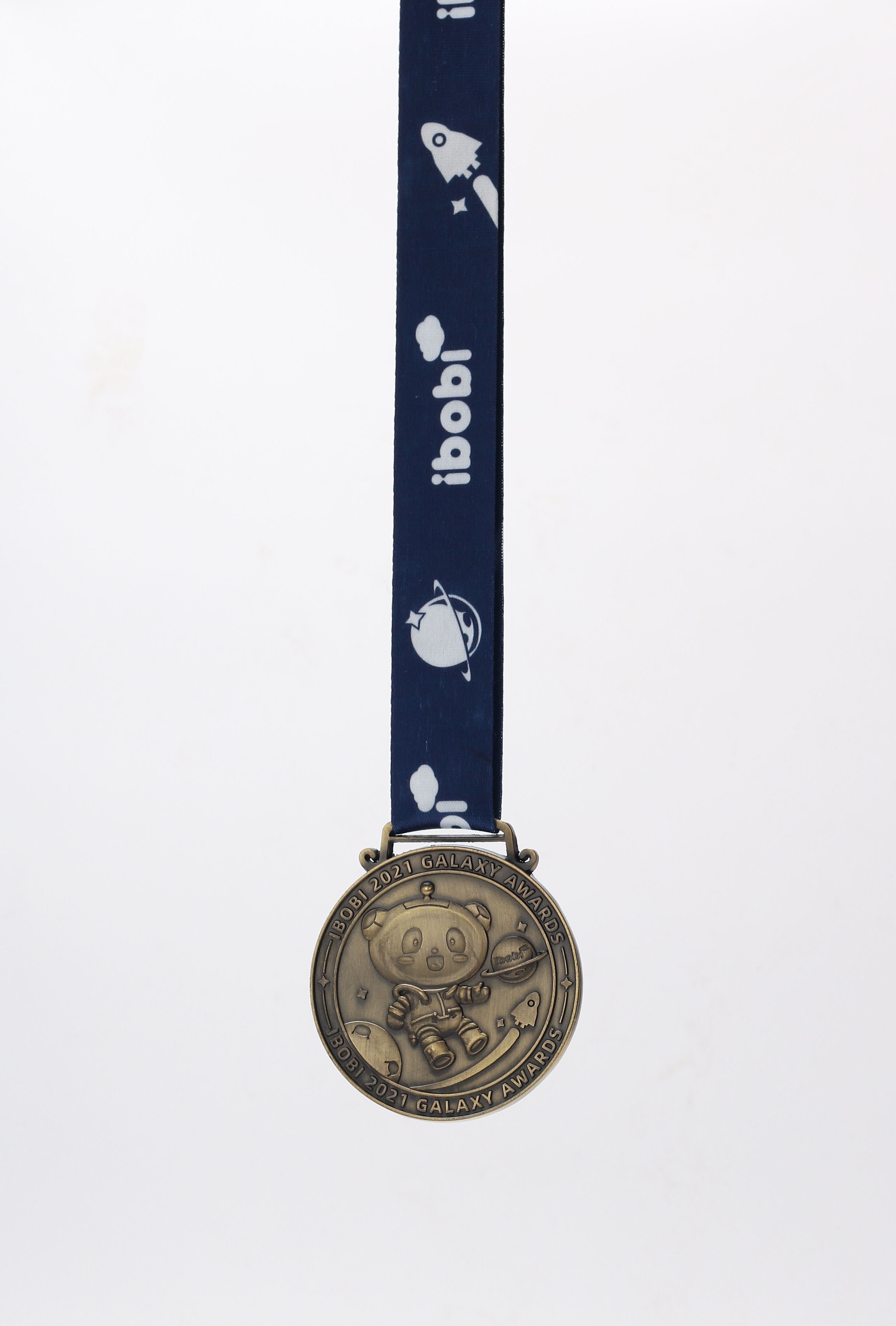
Custom medals represent more than just metallic tokens of achievement - they embody stories of dedication, triumph, and memorable moments that deserve to be celebrated. The art of personalizing custom medals has evolved significantly, offering endless possibilities to create awards that perfectly capture the spirit of any occasion. Whether you're organizing a sporting event, academic ceremony, or corporate recognition program, understanding how to thoughtfully customize medals ensures your recipients receive awards they'll treasure for years to come.
Essential Elements of Medal Customization
Selecting the Perfect Medal Base
The foundation of any outstanding custom medal begins with choosing the right base material and style. Modern custom medals are available in various metals including gold, silver, bronze, and zinc alloy - each offering unique benefits in terms of durability, appearance, and cost-effectiveness. Premium finishes like antique, polished, or brushed surfaces can dramatically enhance the medal's visual appeal. Consider the event's prestige and budget when selecting between die-cast, stamped, or 3D-molded options.
Design Elements That Make Medals Stand Out
The visual components of custom medals play a crucial role in their impact and memorability. Incorporate meaningful symbols, logos, or emblems that represent the event or organization. Contemporary design techniques allow for intricate details, multiple levels of relief, and even color filling through soft enamel or printed inserts. The size and weight of the medal should feel substantial without being cumbersome, typically ranging from 2 to 3 inches in diameter.
Customization Techniques for Different Events
Athletic Competition Medals
Sports medals require robust customization that reflects both the intensity of competition and the specific discipline. Include event dates, competition categories, and placement details (1st, 2nd, 3rd) prominently. For marathons or endurance events, consider adding completion times or distance achievements. Modern custom medals for sports often feature dynamic designs that capture motion or athletic forms, combined with durable finishes that withstand handling and display.
Academic Achievement Recognition
Academic custom medals demand a more refined and prestigious approach. Incorporate institutional seals, academic symbols, or specific field of study representations. Consider using traditional serif fonts for text elements and classical design motifs that convey scholarly achievement. These medals often benefit from more elaborate ribbon choices and presentation cases to enhance their ceremonial significance.
Advanced Personalization Methods
Digital Integration Features
Modern custom medals can incorporate technological elements that enhance their significance. QR codes discreetly integrated into the design can link to digital certificates, event photos, or achievement records. Some advanced medals feature NFC chips that connect to digital portfolios or event histories when scanned with smartphones, creating an interactive experience that bridges physical and digital recognition.
Sustainable and Eco-friendly Options
Environmental consciousness has led to innovative approaches in custom medal production. Recycled metals, water-based finishes, and biodegradable packaging materials offer eco-friendly alternatives without compromising quality. These sustainable options often resonate particularly well with younger recipients and organizations committed to environmental responsibility.
Ribbon and Presentation Enhancement
Custom Ribbon Design
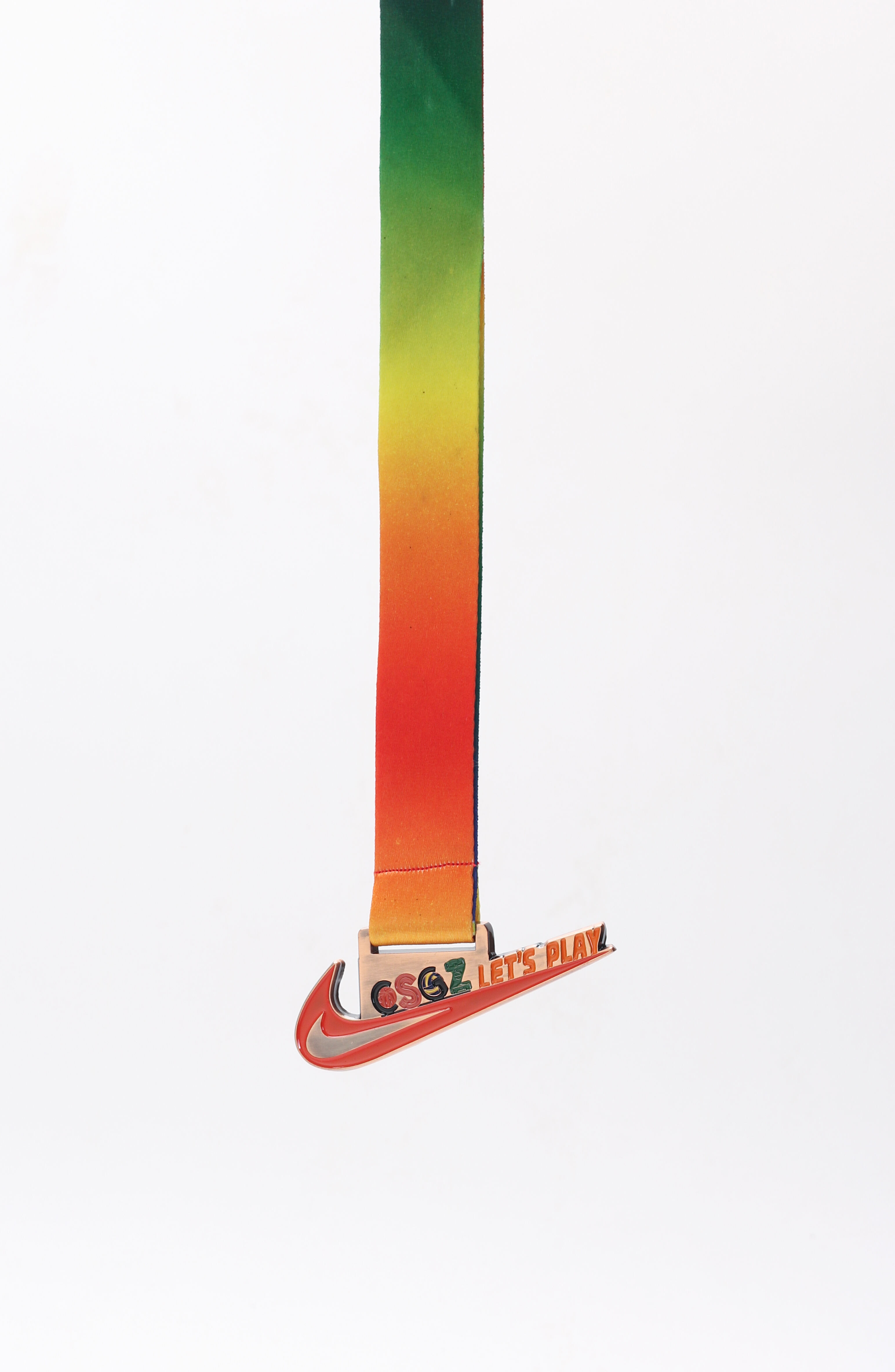
The ribbon component of custom medals offers another dimension of personalization. Beyond basic color selection, consider incorporating woven logos, event names, or patterns that complement the medal design. Premium ribbon materials like satin or grosgrain can enhance the overall presentation, while specialized printing techniques allow for metallic or holographic effects that catch the light dramatically.
Packaging and Presentation Solutions
The presentation of custom medals significantly impacts their perceived value. Velvet-lined presentation boxes, wooden display cases, or custom-printed pouches protect the medals while adding an extra layer of sophistication. Consider including personalized certificates or commemorative cards that detail the achievement and add context to the award.
Production Planning and Timeline Considerations
Design Development Process
Successful custom medal production begins with thorough planning. Allow adequate time for design revisions, prototype approval, and production. Professional medal manufacturers typically require 2-4 weeks for standard orders, with rush options available for time-sensitive events. Establish clear communication channels with your manufacturer to ensure all customization details are accurately captured and executed.
Quality Control Measures
Implementing strict quality control processes ensures consistency across large orders of custom medals. Request sample proofs before full production runs, and establish clear criteria for acceptable finish quality, color matching, and detail precision. Working with experienced manufacturers who offer quality guarantees can provide peace of mind for important events.
Frequently Asked Questions
What is the minimum order quantity for custom medals?
While requirements vary by manufacturer, most custom medal producers have minimum order quantities ranging from 50 to 100 pieces. Smaller quantities may be available but often come with higher per-unit costs due to setup and tooling expenses.
How long does it take to produce custom medals?
Standard production time for custom medals typically ranges from 2-4 weeks after design approval. This timeline includes mold creation, production, quality control, and shipping. Rush orders may be possible with additional fees, potentially reducing delivery time to 7-10 business days.
What materials are best for long-lasting custom medals?
Die-cast zinc alloy and brass are excellent choices for durable custom medals, offering a good balance of quality and cost-effectiveness. For premium awards, sterling silver or gold-plated options provide superior longevity and prestige, though at a higher price point.