 EN
EN
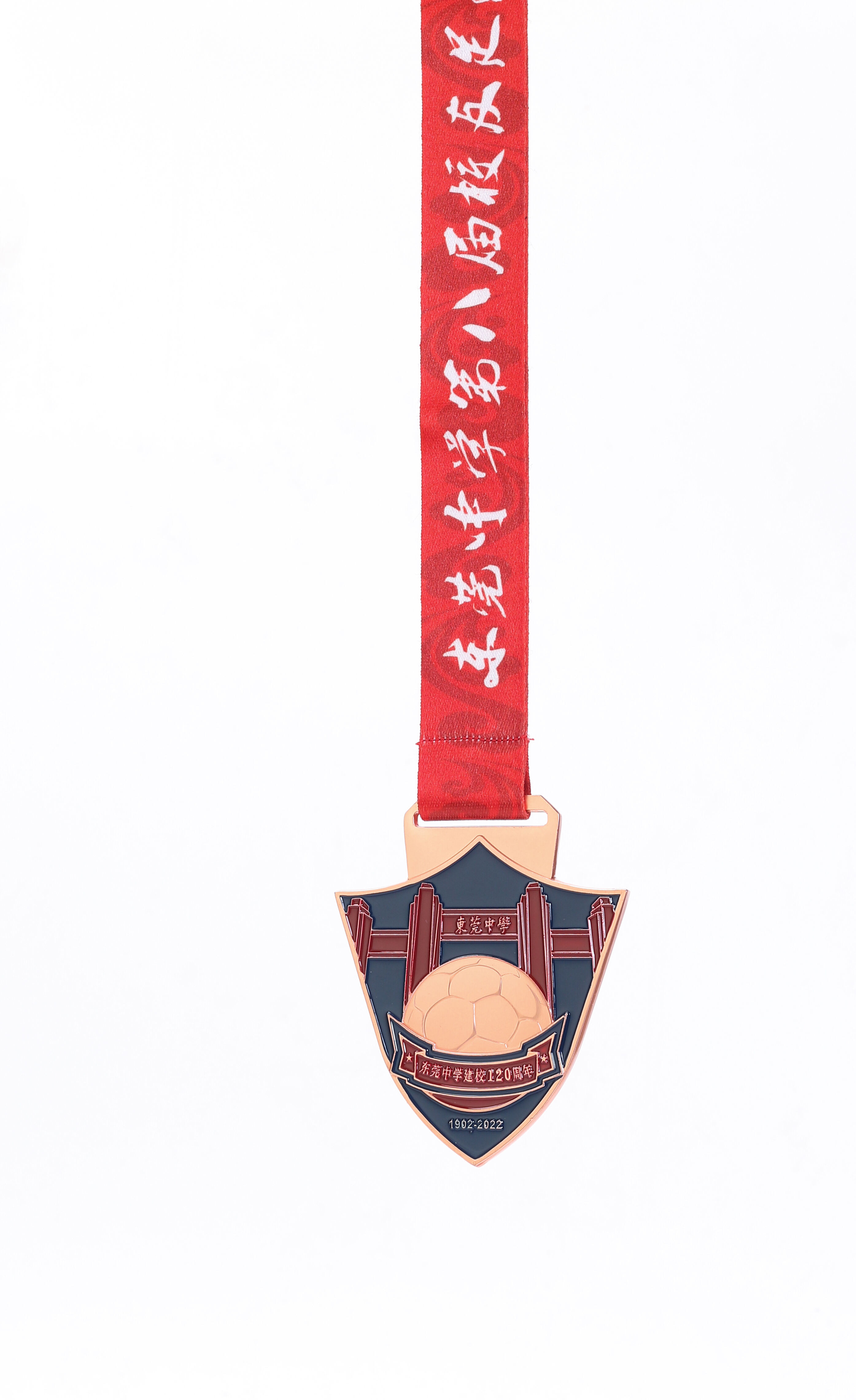
Recognition awards have evolved significantly over the years, transforming from simple standardized pieces into sophisticated, personalized tokens of achievement. Today's customizable medals, trophies, and plaques offer unprecedented flexibility in design, materials, and personalization options. Organizations across industries are discovering that tailored recognition pieces not only honor recipients more meaningfully but also strengthen brand identity and create lasting impressions. The growing demand for unique awards has sparked innovation in manufacturing techniques, material choices, and design capabilities, making it easier than ever to create truly distinctive recognition pieces that reflect specific achievements and organizational values.
Design Customization Fundamentals
Shape and Form Variations
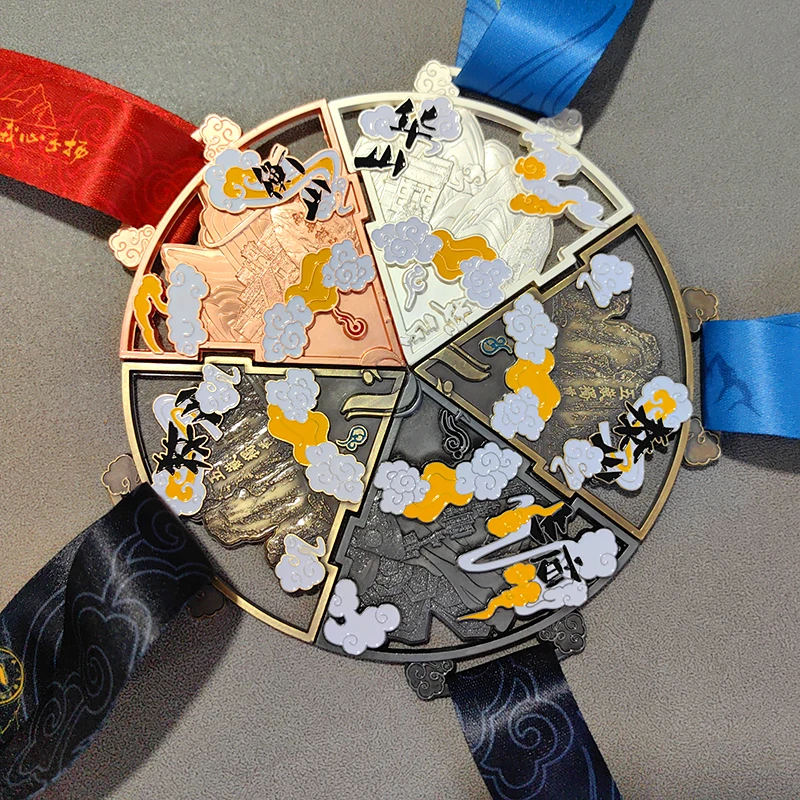
The foundation of exceptional customizable medals begins with selecting the appropriate shape and form. Traditional circular designs remain popular, but contemporary awards embrace diverse geometric patterns, organizational logos, and symbolic representations. Custom shapes can incorporate company emblems, industry-specific icons, or abstract artistic elements that convey the award's purpose and significance. Advanced manufacturing techniques now enable the creation of intricate contours and multi-dimensional profiles that were previously impossible to achieve cost-effectively.
Three-dimensional elements add substantial visual impact to recognition pieces. Raised portions, recessed areas, and varying thickness levels create depth and texture that enhance the tactile experience. These dimensional variations can highlight specific design elements, create shadow effects, or incorporate functional features like attachment points for ribbons or chains. The interplay between raised and recessed areas allows for sophisticated visual storytelling within the medal's limited surface area.
Surface Treatment Options
Surface finishing techniques dramatically influence the final appearance and perceived value of customizable medals. Polished finishes create mirror-like surfaces that reflect light beautifully, while brushed treatments provide subtle texture and reduced glare. Antique finishes add character and sophistication, making awards appear timeless and prestigious. Specialized treatments like sandblasting create unique textures that enhance grip and provide distinctive visual appeal.
Coating applications protect underlying materials while adding color and functionality. Powder coating offers durability and color consistency across large production runs. Electroplating with precious metals like gold, silver, or bronze provides traditional elegance and long-term value retention. Modern nano-coatings can add antimicrobial properties, scratch resistance, or enhanced durability for awards intended for frequent handling or outdoor display.
Material Selection Strategies
Metal Alloy Considerations
Material selection significantly impacts both the appearance and longevity of customizable medals. Zinc alloys offer excellent detail reproduction at affordable prices, making them ideal for large quantity orders or budget-conscious projects. Brass provides superior durability and a premium feel, particularly suitable for high-value recognition programs. Stainless steel delivers exceptional corrosion resistance and maintains appearance over decades, perfect for outdoor installations or harsh environments.
Aluminum alloys combine lightweight properties with excellent workability, enabling complex shapes and detailed features without excessive weight. These materials accept various finishing treatments well and resist environmental damage effectively. For premium applications, precious metal incorporation through plating or solid construction creates heirloom-quality pieces that recipients treasure indefinitely. The choice between different alloys should consider the intended use, display conditions, and budget parameters.
Alternative Material Integration
Contemporary customizable medals increasingly incorporate non-metallic materials to enhance visual appeal and functionality. Acrylic elements add transparency effects and vibrant colors that metal alone cannot achieve. Wood components introduce natural textures and eco-friendly credentials that resonate with environmentally conscious organizations. Glass elements create elegant light refraction effects and enable unique design possibilities through etching or embedded imagery.
Composite materials combine multiple substances to achieve specific performance characteristics. Carbon fiber integration creates ultra-lightweight awards with modern aesthetic appeal. Resin casting enables complex shapes and color combinations while maintaining cost effectiveness for moderate quantities. These alternative materials expand design possibilities beyond traditional metalwork limitations, enabling truly innovative recognition pieces that stand out in competitive environments.
Color Implementation Techniques
Enamel Applications
Enamel work transforms customizable medals from simple metal pieces into vibrant, eye-catching awards. Soft enamel techniques fill recessed areas with colored compounds, creating smooth surfaces with subtle texture variations. This approach works excellently for logos, text, and graphic elements that require precise color matching to brand guidelines. Hard enamel applications create completely smooth surfaces where colors blend seamlessly with metal surfaces, producing premium finishes suitable for high-end recognition programs.
Color selection extends beyond aesthetic considerations to include psychological and cultural factors. Different colors convey specific messages and emotions, influencing how recipients and observers perceive the award's significance. Metallic colors like gold and silver communicate prestige and achievement, while vibrant colors like blue and red create energy and excitement. Understanding color psychology helps organizations select combinations that reinforce their message and enhance the award's emotional impact.
Digital Printing Integration
Advanced digital printing technologies enable photographic quality imagery on customizable medals. Full-color printing allows for complex graphics, detailed photographs, and gradient effects previously impossible with traditional techniques. UV-resistant inks ensure long-term color stability even under challenging environmental conditions. Digital printing particularly excels for commemorative pieces requiring specific imagery or detailed artwork reproduction.
Variable data printing capabilities enable mass customization where each medal features unique elements while maintaining consistent base designs. This technology proves invaluable for events where individual names, achievements, or dates must appear on each piece. The combination of digital printing with traditional manufacturing creates hybrid solutions that maximize both visual impact and cost efficiency across diverse production volumes.
Personalization and Engraving
Text Customization Methods
Personalized text transforms generic customizable medals into meaningful recognition pieces that celebrate individual achievements. Laser engraving provides precise, permanent text that resists wear and environmental damage. Variable depth engraving creates visual hierarchy where names, dates, and achievements receive appropriate emphasis through different cut depths. Font selection influences readability and aesthetic appeal, with serif fonts conveying tradition and sans-serif options providing modern clarity.
Rotary engraving offers cost-effective text addition for high-volume production runs. This mechanical process creates consistent results across large quantities while maintaining excellent readability. Deep engraving techniques ensure text remains visible even after years of handling and potential surface wear. The positioning of personalized text requires careful consideration of overall design balance and hierarchy to maintain visual appeal while accommodating necessary information.
Logo and Emblem Integration
Corporate logos and organizational emblems add professional credibility to customizable medals while reinforcing brand identity. Vector artwork reproduction ensures crisp lines and accurate proportions regardless of medal size. Multi-level engraving creates dimensional logos that stand out from background surfaces through shadow effects and texture variations. Color-filled engraving combines text definition with brand-appropriate colors for maximum recognition impact.
Emblem placement strategies balance visual impact with text accommodation requirements. Central positioning creates focal points that immediately communicate organizational affiliation. Corner or edge placement preserves central areas for achievement-specific information while maintaining brand presence. The scale relationship between logos and other design elements requires careful consideration to ensure all components receive appropriate emphasis without creating visual confusion.
Production Techniques and Quality
Manufacturing Process Excellence
Quality manufacturing processes determine the final appearance and durability of customizable medals. Die-casting techniques produce consistent results with excellent detail reproduction across large production runs. Investment casting enables more complex geometries and finer details but requires longer lead times and higher initial costs. The choice between manufacturing methods depends on design complexity, quantity requirements, and quality specifications.
Quality control measures ensure consistent results throughout production cycles. Dimensional verification confirms that all pieces meet specified tolerances and fit properly with ribbons, chains, or mounting hardware. Surface finish inspections verify that coating applications achieve uniform coverage and appropriate thickness. Color matching protocols ensure that enamel applications maintain consistency with approved samples and brand guidelines.
Finishing and Assembly Standards
Professional finishing techniques enhance the perceived value and longevity of customizable medals. Deburring processes remove sharp edges and surface imperfections that could affect handling comfort or appearance. Progressive polishing stages build up to mirror finishes on appropriate surfaces while maintaining texture variations where desired. Assembly procedures incorporate ribbons, chains, presentation boxes, and protective coatings according to specified requirements.
Final inspection protocols verify that completed customizable medals meet all specified criteria before packaging and shipment. Visual inspections confirm color accuracy, text readability, and overall appearance quality. Functional testing ensures that attachment points, moving parts, and protective coatings perform as intended. Documentation procedures track quality metrics and provide traceability for future reference or warranty considerations.
Cost Optimization Strategies
Volume-Based Pricing Models
Understanding volume-based pricing helps organizations maximize value when ordering customizable medals. Setup costs typically remain constant regardless of quantity, making larger orders more economical per piece. Break-point analysis identifies optimal order quantities where per-unit costs decrease significantly. Strategic planning enables organizations to coordinate multiple events or departments to achieve better pricing tiers.
Lead time considerations affect both pricing and scheduling flexibility. Rush orders typically incur premium charges that can significantly impact overall costs. Planning recognition events well in advance allows manufacturers to optimize production scheduling, potentially reducing costs through efficient resource allocation. Seasonal demand patterns influence pricing, with peak periods commanding higher rates due to capacity constraints.
Design Complexity Balance
Balancing design sophistication with budget constraints requires careful consideration of which customization elements provide maximum impact. Simple shape modifications often cost less than complex multi-level designs while still creating distinctive appearance. Color applications through enamel work provide significant visual enhancement at relatively modest cost increases. Understanding the cost implications of various customization options helps optimize design decisions within budget parameters.
Standardization strategies reduce costs while maintaining customization flexibility. Establishing base designs that accommodate various text and color combinations creates economies of scale in tooling and setup costs. Modular design approaches enable component reuse across different award programs while maintaining unique appearances. These strategies particularly benefit organizations with ongoing recognition needs across multiple departments or events.
Packaging and Presentation
Protective Packaging Solutions
Appropriate packaging protects customizable medals during shipping and enhances presentation impact. Individual protective pouches prevent surface scratching and tarnishing during transport and storage. Foam-lined presentation boxes create professional unboxing experiences that reinforce the award's significance. Anti-tarnish materials preserve metallic finishes and prevent oxidation during long-term storage.
Packaging customization extends brand identity beyond the medal itself. Custom-printed boxes featuring organizational colors and logos create cohesive presentation packages. Certificate holders and documentation sleeves provide space for achievement details and presentation information. The packaging investment should align with the medal's value and the occasion's significance to maintain appropriate presentation standards.
Display and Mounting Options
Display considerations influence both medal design and presentation accessories. Stand-alone displays enable desktop or shelf presentation for office environments. Wall-mounting options accommodate space constraints while maintaining visibility. Display cases protect valuable customizable medals from handling damage while enabling public viewing in lobbies or common areas.
Mounting hardware selection affects both functionality and aesthetics. Magnetic mounts provide easy positioning changes without wall damage. Traditional hanging systems work well for permanent installations. The choice between mounting methods should consider wall types, security requirements, and aesthetic preferences to ensure optimal presentation results.
FAQ
What minimum order quantities apply to customizable medals
Most manufacturers require minimum orders between 25 and 100 pieces for customizable medals, depending on design complexity and manufacturing method. Simple designs with basic engraving often have lower minimums, while complex multi-color enamel work may require higher quantities to justify setup costs. Some suppliers offer prototype services for single pieces, though unit costs are significantly higher. Planning recognition events to meet minimum requirements helps optimize both pricing and lead times.
How long does production typically take for custom orders
Standard production times for customizable medals range from 2-4 weeks after artwork approval, depending on design complexity and current production schedules. Simple engraved pieces may complete faster, while multi-process medals requiring enamel work, special finishes, or complex shapes need additional time. Rush services are available for urgent needs but typically incur 25-50% premium charges. Planning recognition events 6-8 weeks in advance provides flexibility for design refinements and ensures timely delivery.
What artwork formats work best for medal customization
Vector-based artwork in AI, EPS, or high-resolution PDF formats provide optimal results for customizable medals. These formats maintain crisp lines and accurate proportions when scaled to medal sizes. Raster images require minimum 300 DPI resolution at final size to avoid pixelation. Text should be converted to outlines to prevent font substitution issues. Most manufacturers provide design services if professional artwork is unavailable, though this may extend lead times and increase costs.
Can existing medals be modified or updated after production
Limited modifications are possible on completed customizable medals, primarily through additional engraving in available space areas. Surface treatments like re-plating or color additions require returning to manufacturing facilities and may not be cost-effective for small quantities. Significant design changes typically require new production rather than modification. Planning comprehensive personalization during initial ordering prevents later modification needs and associated costs.