 EN
EN
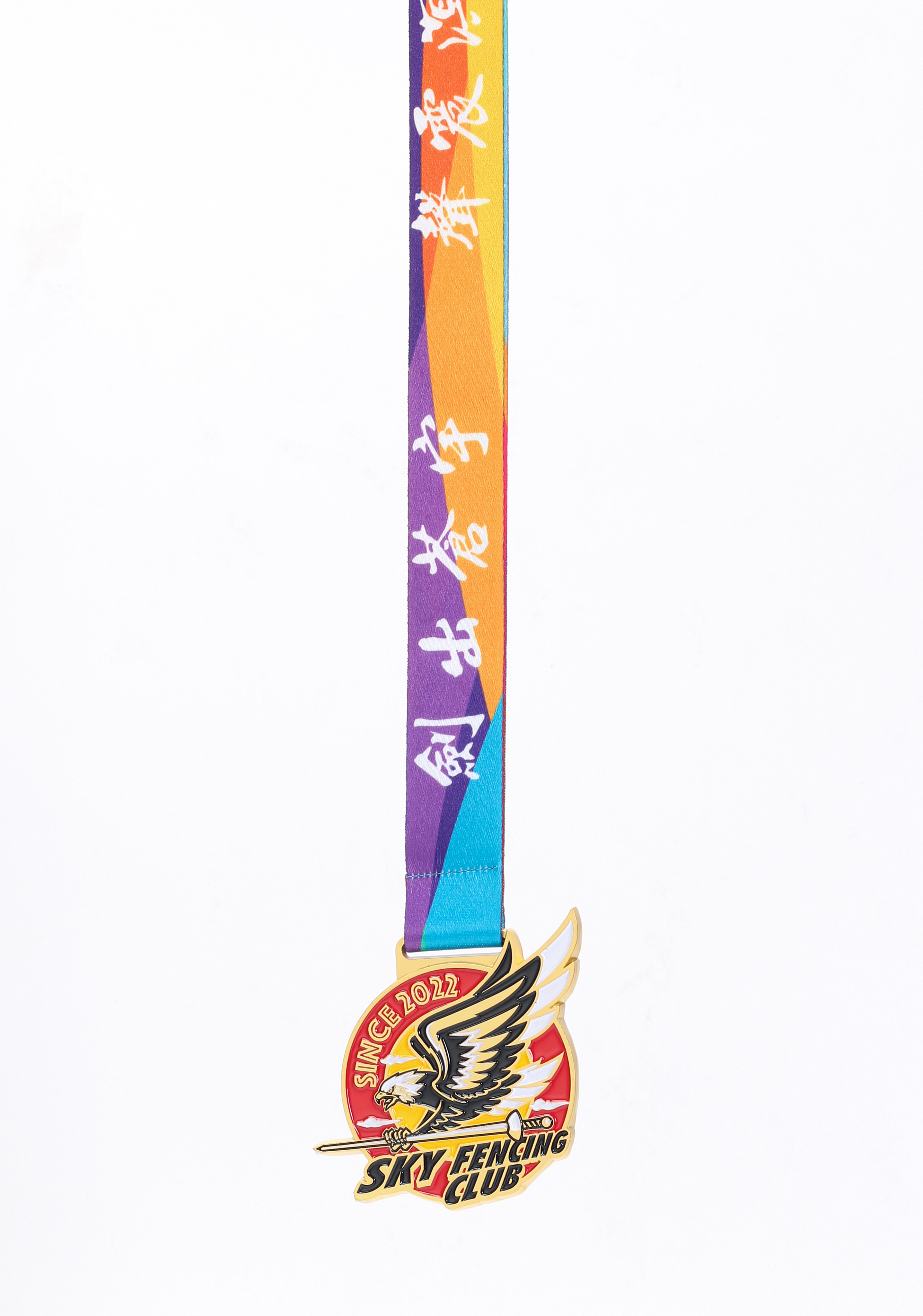
Creating high-quality custom competition medals requires a deep understanding of production techniques that balance aesthetics, durability, and cost-effectiveness. Organizations seeking to reward athletic achievement, corporate milestones, or competitive success demand custom competition medals that reflect excellence and stand the test of time. The production process behind premium custom competition medals involves multiple technical steps, material considerations, and quality assurance protocols that distinguish superior products from standard alternatives.
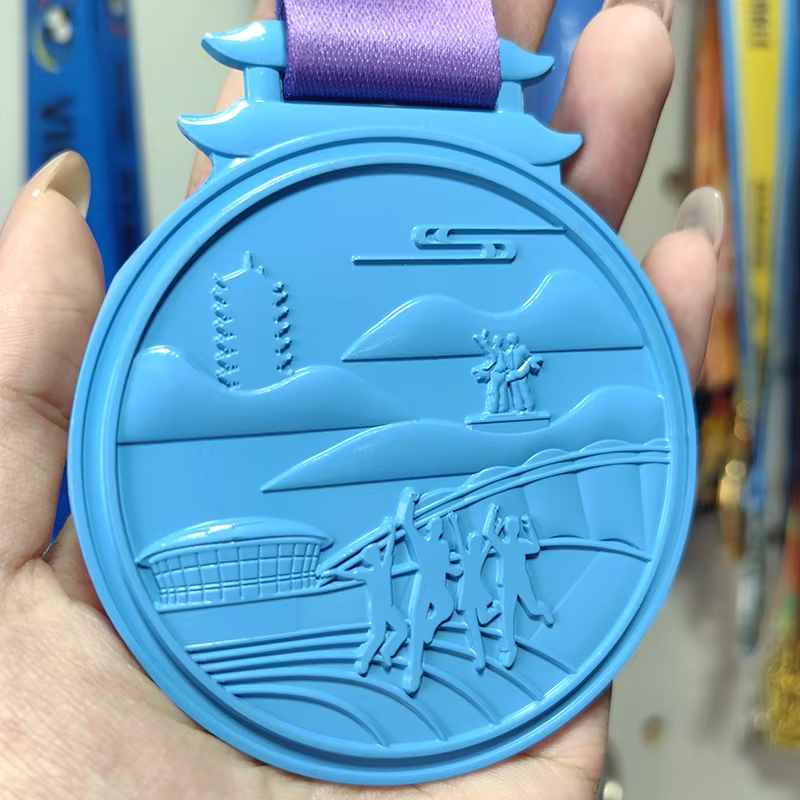
The production of custom competition medals has evolved significantly over the past decade, incorporating advanced manufacturing methods and refined finishing processes. Whether for athletic tournaments, corporate recognition programs, or academic competitions, custom competition medals serve as tangible symbols of achievement and excellence. Understanding the specific techniques used in manufacturing premium custom competition medals empowers buyers to make informed decisions and ensures they receive products that truly represent the prestige of their events.
Material Selection and Metal Specifications
Zinc Alloy and Brass Foundations
The foundation of every premium set of custom competition medals begins with material selection. Zinc alloy and brass are the most widely used base metals for manufacturing custom competition medals because they offer excellent castability, corrosion resistance, and cost efficiency. Zinc alloy provides superior casting detail, allowing manufacturers to create intricate designs with sharp edges and fine textures that define custom competition medals. Brass, alternatively, delivers natural warmth and a distinctive golden appearance that appeals to organizations seeking a classical aesthetic for their custom competition medals.
Precious Metal Plating and Finishes
Premium custom competition medals are distinguished by their plating systems, which protect the base metal and create the final visual appearance. Gold plating at 18-24 karat thickness ensures that custom competition medals maintain their luster and resist tarnishing over years of display. Silver and bronze plating options provide alternative finishes for custom competition medals, each offering distinct visual character and durability profiles. The plating process for custom competition medals involves electroplating technology that deposits metal ions uniformly across the surface, creating consistent color and shine that withstands handling and environmental exposure.
Advanced Manufacturing and Design Precision
Die Casting and 3D Design Integration
Modern production of custom competition medals relies heavily on computer-aided design and precision die casting. Three-dimensional modeling allows designers to visualize custom competition medals before production, ensuring that logos, text, and graphics align perfectly and display at optimal sizes. Die casting machinery creates the initial form of custom competition medals with exceptional accuracy, producing consistent dimensions and surface quality across entire production runs. Custom competition medals manufactured using advanced die casting techniques achieve detail levels that manual production methods cannot replicate, particularly in fine relief work and complex medallion designs.
Stamping and Engraving Techniques
Custom competition medals benefit from secondary processing techniques that add personalization and depth. Precision stamping applies text, numbers, and organizational marks to custom competition medals with consistent pressure and alignment. Engraving creates permanent, wear-resistant customization on the reverse side of custom competition medals, ideal for recording recipient names, dates, or achievement details. These finishing techniques transform generic medal blanks into distinctive custom competition medals that tell individual stories and commemorate specific accomplishments.
Quality Control and Finishing Standards
Surface Treatment and Inspection Protocols
Guaranteeing premium quality in custom competition medals requires rigorous inspection at multiple production stages. Surface treatment processes including polishing, sandblasting, and brushing refine the texture of custom competition medals and enhance their visual appeal. Quality control teams inspect every batch of custom competition medals for plating consistency, dimensional accuracy, and defect-free surfaces before ribbon attachment and packaging. Advanced optical inspection systems detect microscopic imperfections in custom competition medals that might otherwise compromise the final product's premium appearance.
Ribbon Selection and Attachment Excellence
The ribbon system substantially contributes to the overall perception of quality in custom competition medals. Premium custom competition medals feature silk ribbons in corporate colors or event-specific hues, selected for fade resistance and textural appeal. Attachment methods for custom competition medals include ultrasonic welding and reinforced stitching, ensuring ribbons remain secure through decades of wearing and display. The ribbon quality directly reflects on custom competition medals themselves, as buyers often associate ribbon durability with medal craftsmanship and attention to detail.
Final Assembly and Packaging
The assembly process for premium custom competition medals demands precision and care to prevent damage before delivery. Quality manufacturers of custom competition medals employ individual inspection stations where finished medals are examined one final time before packaging. Custom competition medals are typically placed in protective foam inserts or presentation boxes, ensuring they arrive at events in flawless condition. This final assembly stage transforms manufactured components into polished, market-ready custom competition medals that exceed buyer expectations.
FAQ
What metals are best for creating premium custom competition medals?
Zinc alloy and brass are industry-leading choices for custom competition medals because they offer excellent casting quality, durability, and cost-efficiency. Zinc alloy excels at capturing fine detail in custom competition medals designs, while brass provides a warmer, more classical appearance. Both metals serve as ideal substrates for precious metal plating, allowing manufacturers to create premium custom competition medals that resist corrosion and maintain their aesthetic appeal for decades.
How do advanced manufacturing techniques improve custom competition medals quality?
Three-dimensional computer modeling and precision die casting enable manufacturers to produce custom competition medals with exceptional consistency and fine detail. These techniques allow custom competition medals to feature sharp graphics, accurate dimensions, and intricate medallion designs that manual production cannot achieve. Advanced tooling ensures that every piece in a production run of custom competition medals meets identical specifications, delivering uniform quality across entire order quantities.
What role does plating play in the durability of custom competition medals?
Plating systems protect custom competition medals from tarnishing, oxidation, and corrosion while determining their final visual appearance. Gold, silver, and bronze plating create protective barriers on custom competition medals that preserve their shine and color through years of storage and display. Premium plating thickness on custom competition medals ensures long-term resistance to environmental factors, making these medals suitable for permanent display or repeated handling without degradation.