 EN
EN
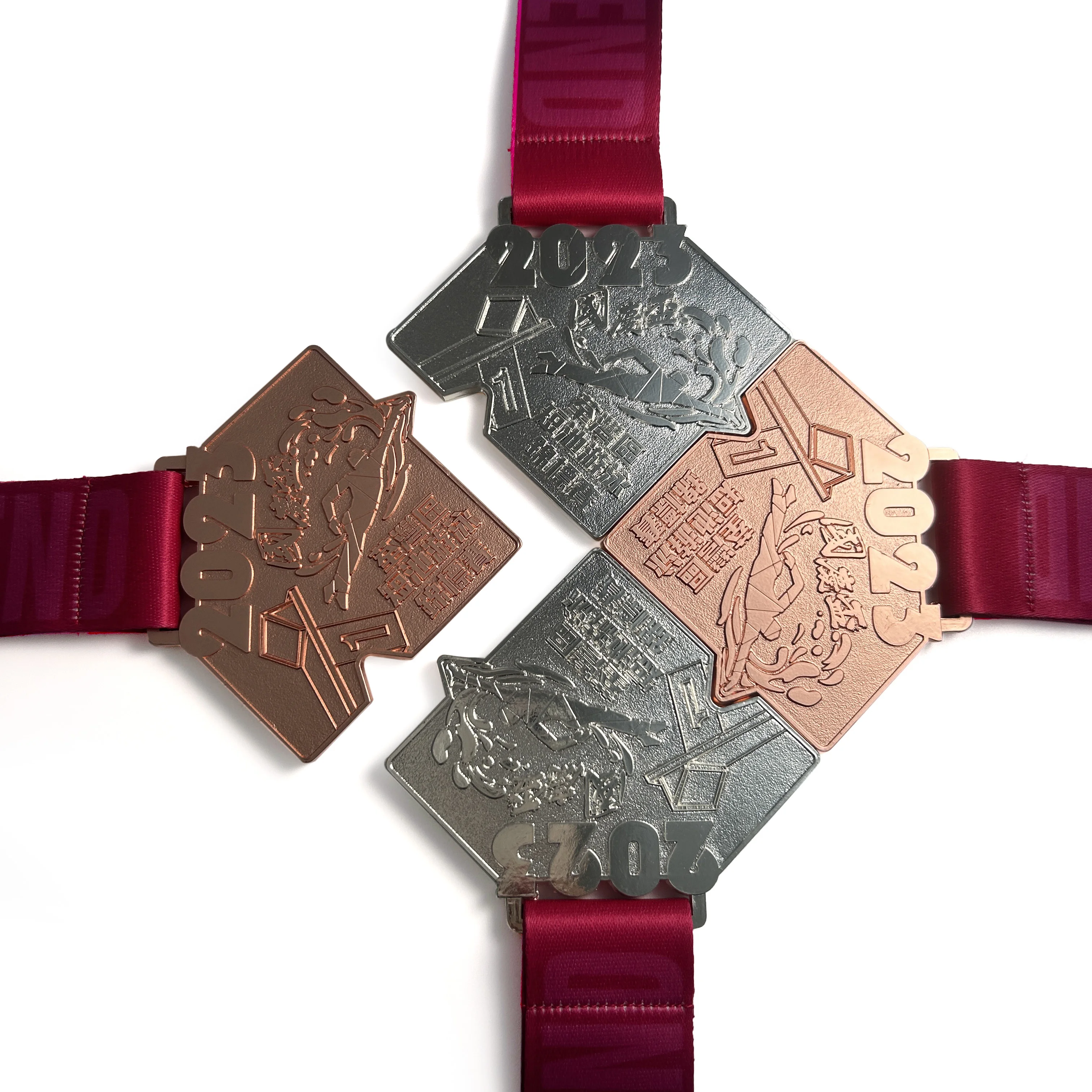
ເມື່ອຈັດຕັ້ງເຫດການກິລາ, ການທ້າທາຍຂອງບໍລິສັດ ຫຼື ການແຂ່ງຂັນຊຸມຊົນ, ປະສົບການການມອບເງິນເຄື່ອງເລື່ອມນັ້ນມີຄວາມສຳຄັນເທົ່າກັບການແຂ່ງຂັນເອງ. ເງິນເຄື່ອງເລື່ອມແບບປິດສະຫຼາ ເหรິຍຈິກຊ້ຳ ໄດ້ກາຍເປັນໜຶ່ງໃນຮູບແບບເງິນເຄື່ອງເລື່ອມທີ່ຖືກຕ້ອງການຫຼາຍທີ່ສຸດ ເພາະວ່າມັນປ່ຽນຄວາມສຳເລັດຂອງບຸກຄົນໃຫ້ເປັນບ something ທີ່ເປັນກຸ່ມ. ຜູ້ເຂົ້າຮ່ວມແຕ່ລະຄົນຈະໄດ້ຮັບຊິ້ນສ່ວນໜຶ່ງທີ່ເມື່ອນຳມາປະກອບເຂົ້າດ້ວຍຊິ້ນອື່ນໆ ຈະເຮັດໃຫ້ເກີດຮູບພາບທີ່ເປັນອັນໜຶ່ງດຽວ — ເຮັດໃຫ້ເງິນເຄື່ອງເລື່ອມນີ້ມີທັງຄວາມເປັນສ່ວນຕົວ ແລະ ຄວາມເປັນກຸ່ມ. ແຕ່ສຳລັບຜູ້ຈັດຕັ້ງເຫດການ, ການຈັດຫາເງິນເຄື່ອງເລື່ອມແບບປິດສະຫຼາທີ່ເໝາະສົມສຳລັບເຫດການໃດໆ ນັ້ນມີຄວາມສຳຄັນຫຼາຍກວ່າການສັ່ງຊື້ຈຳນວນຫຼາຍຢ່າງງ່າຍດາຍ.
ທຸກໆເຫດການມີອັດຕະລັກສະນະຂອງຕົນເອງ — ຫົວຂໍ້, ຈຳນວນຜູ້ເຂົ້າຮ່ວມ, ລະບົບການແຂ່ງຂັນ, ແລະ ອາລົມທີ່ສື່ອອກ. ການແຂ່ງຂັນວິ່ງມາຣາທອນແບບທີມມີຄວາມຕ້ອງການດ້ານເງື່ອນໄຂການຈັດສົ່ງເຄື່ອງເຄີຍທີ່ແຕກຕ່າງຈາກການຈັດກິດຈະກຳທີມງານໃນບໍລິສັດ ຫຼື ການແຂ່ງຂັນວ່າຍນ້ຳຂອງໂຮງຮຽນ. ຄວາມທ້າທາຍໃນການຊອກຫາເຄື່ອງເຄີຍຮູບແບບປິດສະດີ (Puzzle Medal) ທີ່ເໝາະສົມຢ່າງແທ້ຈິງກັບຄວາມຕ້ອງການເຫຼົ່ານີ້ ຕ້ອງອີງໃສ່ການເຂົ້າໃຈປັດໄຈການຜະລິດ, ການຮ່ວມມືຢ່າງໃກ້ຊິດກັບຜູ້ຜະລິດ, ແລະ ການວາງແຜນລ່ວງໆດ້ວຍຄວາມຖືກຕ້ອງ. ຄູ່ມືນີ້ຈະນຳທ່ານໄປທົ່ວຂະບວນການຈັດຊື້ທັງໝົດ ເພື່ອໃຫ້ທ່ານສາມາດຕັດສິນໃຈດ້ວຍຄວາມໝັ້ນໃຈ ເຊິ່ງຈະບໍລິການທັງເປົ້າໝາຍຂອງເຫດການ ແລະ ຄວາມຄາດຫວັງຂອງຜູ້ເຂົ້າຮ່ວມ.
ການເຂົ້າໃຈຄວາມດຶງດູດຫຼັກຂອງຮູບແບບເຄື່ອງເຄີຍປິດສະດີ
ເປັນຫຍັງຮູບແບບເຄື່ອງເຄີຍປິດສະດີຈຶ່ງເປັນທີ່ນິຍົມໃນການອອກແບບເຫດການໃນສະໄໝທັນສະໄໝ
ຮูບແບບເງິນເຄື່ອງຫຼີ້ນປິດທີ່ເປັນຈິກຊອວ໌ (puzzle medal) ແມ່ນເຂົ້າເຖິງຄວາມຕ້ອງການພື້ນຖານຂອງມະນຸດສຳລັບການເປັນສ່ວນໜຶ່ງຂອງກຸ່ມ ແລະ ການບັນລຸເປົ້າໝາຍຮ່ວມກັນ. ຕ່າງຈາກເງິນເຄື່ອງຫຼີ້ນປິດທີ່ໃຫ້ແກ່ບຸກຄົນທົ່ວໄປ, ແຕ່ລະຊິ້ນສ່ວນຂອງເງິນເຄື່ອງຫຼີ້ນປິດທີ່ເປັນຈິກຊອວ໌ແມ່ນບໍ່ຄົບຖ້ວນເອງດ້ວຍຕົວມັນເອງ — ມັນຈະບັນລຸຄວາມງາມທີ່ສົມບູນທາງດ້ານທັດສະນະເທົ່ານັ້ນເມື່ອຜູ້ເຂົ້າຮ່ວມມາຮວມຕົວກັນ. ຄວາມສຳພັນນີ້ເຮັດໃຫ້ເງິນເຄື່ອງຫຼີ້ນປິດທີ່ເປັນຈິກຊອວ໌ມີອຳນາດເປັນຢ່າງຍິ່ງສຳລັບການແຂ່ງຂັນແບບເຊື່ອມຕໍ່ (relay races), ກິລາທີ່ເລັ່ງທີມ, ເຫດການທາງທຸລະກິດ, ແລະ ການແຂ່ງຂັນທີ່ມີຫຼາຍຂັ້ນຕອນ ໂດຍທີ່ການບັນລຸເປົ້າໝາຍຮ່ວມກັນແມ່ນເລື່ອງຫຼັກທີ່ເນັ້ນ.
ຜູ້ຈັດງານເຫດການໄດ້ພົບວ່າ ຜູ້ເຂົ້າຮ່ວມມັກຈະເກັບຮັກສາຊິ້ນສ່ວນເງິນເຄື່ອງຫຼີ້ນປິດທີ່ເປັນຈິກຊອວ໌ໄວ້ເປັນເວລາດົນກວ່າເງິນເຄື່ອງຫຼີ້ນປິດທີ່ທົ່ວໄປ ເຄື່ອງແປັ້ນທອງ ເນື່ອງຈາກຄວາມສຳພັນກັນຢ່າງເຂັ້ມແຂງນີ້. ການເຕືອນທາງດ້ານຮ່າງກາຍວ່າການມີສ່ວນຮ່ວມຂອງເຂົາເຈົ້າເປັນສ່ວນໜຶ່ງຂອງທັງໝົດທີ່ໃຫຍ່ກວ່ານີ້ ເຮັດໃຫ້ເກີດຄວາມເຊື່ອມຕໍ່ທາງດ້ານອາລົມທີ່ຍືນຍາວຕໍ່ເຫດການ. ສຳລັບຜູ້ອຸປະຖຳນ ແລະ ຍີ່ຫໍ້ເຫດການ, ສິ່ງນີ້ເຮັດໃຫ້ເກີດການເຫັນເດັ່ນທີ່ຍືນຍາວຂຶ້ນ ແລະ ຄວາມຊື່ສັດທີ່ເລິກເຊິ່ງຂຶ້ນຂອງຜູ້ເຂົ້າຮ່ວມ.
ການເຂົ້າໃຈຄວາມດຶງດູດນີ້ແມ່ນຂັ້ນຕອນທຳອິດໃນຂະບວນການຊື້ສິນຄ້າ ເນື່ອງຈາກມັນເຮັດໃຫ້ເຫັນຢ່າງຈະແຈ້ງວ່າທ່ານກຳລັງພະຍາຍາມຈັດສົ່ງຫຍັງ. ທ່ານບໍ່ໄດ້ພຽງແຕ່ຊື້ຖ້ວຍເຄື່ອງເປີດເຜີຍທີ່ເຮັດຈາກໂລຫະເທົ່ານັ້ນ — ທ່ານກຳລັງອອກແບບປະສົບການຮ່ວມກັນຜ່ານສື່ຂອງຖ້ວຍເຄື່ອງເປີດເຜີຍທີ່ເປັນປິດທີ່ເປັນປິດ. ການເບິ່ງໃນແບບນີ້ຄວນເປັນແນວທາງໃນທຸກໆການμຕັດສິນໃຈ ເລີ່ມຈາກການອອກແບບຈົນເຖິງການຈັດສົ່ງ.
ເຫດຜົນທາງດ້ານໂຄງສ້າງທີ່ຢູ່ເບື້ອງຫຼັງການອອກແບບຖ້ວຍເຄື່ອງເປີດເຜີຍທີ່ເປັນປິດ
ຖ້ວຍເຄື່ອງເປີດເຜີຍທີ່ເປັນປິດມັກຈະຖືກອອກແບບໃຫ້ແຕ່ລະຊິ້ນສ່ວນມີຮູບພາບທີ່ມີຄວາມໝາຍເປັນອິດສະຫຼະ ແຕ່ກໍຍັງສາມາດເຊື່ອມຕໍ່ກັບຊິ້ນສ່ວນອື່ນໆໄດ້ເພື່ອເປີດເຜີຍຮູບພາບທີ່ໃຫຍ່ຂຶ້ນ. ຄວາມຕ້ອງການອອກແບບທີ່ມີສອງຊັ້ນນີ້ມີຄວາມທ້າທາຍທາງດ້ານເຕັກນິກຫຼາຍກວ່າຖ້ວຍເຄື່ອງເປີດເຜີຍທຳມະດາ. ສ່ວນທີ່ເຊື່ອມຕໍ່ກັນຕ້ອງມີຄວາມຖືກຕ້ອງຢ່າງເປັກຕິກເພື່ອໃຫ້ເຂົ້າກັນໄດ້ຢ່າງເລີ່ມຕົ້ນ ແລະ ຮູບພາບທີ່ຢູ່ເທິງໜ້າພື້ນຕ້ອງຖືກວາງແຜນໄວ້ທັງໝົດໃນເວລາທີ່ຖ້ວຍເຄື່ອງເປີດເຜີຍທັງໝົດຖືກເຊື່ອມຕໍ່ເຂົ້າດ້ວຍກັນ ໂດຍເລີ່ມຈາກຂັ້ນຕອນການອອກແບບ.
ຜູ້ຜະລິດຜະລິດເງິນຫຼີ້ນປິດທີ່ມີຮູບແບບຕັ້ງແຕ່ຊຸດສອງຊິ້ນ ເຖິງ ການຈັດແບບທີ່ສັບສົນທີ່ມີຫຼາຍຄົນເຂົ້າຮ່ວມ ເຊິ່ງປະກອບດ້ວຍສິບສອງຊິ້ນ ຫຼື ຫຼາຍກວ່ານັ້ນ. ການເລືອກຮູບແບບຈະມີຜົນຕໍ່ຈຳນວນຜູ້ເຂົ້າຮ່ວມທີ່ຈະໄດ້ຮັບຊິ້ນສ່ວນ, ຂະໜາດຂອງແຕ່ລະຊິ້ນສ່ວນເງິນຫຼີ້ນປິດທີ່ແຕ່ລະຄົນໄດ້ຮັບ, ແລະ ຄວາມສັບສົນຂອງຂະບວນການຕັດແລະປຸງແຕ່ງດ້ວຍແບບພິມ. ຄຳພິຈາລະນາເຫຼົ່ານີ້ທີ່ກ່ຽວຂ້ອງກັບໂຄງສ້າງຈະຕ້ອງຖືກກຳນົດຢ່າງແນ່ນອນກ່ອນທີ່ທ່ານຈະສາມາດປຽບທຽບຄຳເ Ange ຈາກຜູ້ສະໜອງ ຫຼື ເວລາການຜະລິດໄດ້ຢ່າງມີຄວາມໝາຍ.
ສຳລັບກິດຈະກຳທີ່ມີຂະໜາດກຸ່ມທີ່ປ່ຽນແປງໄດ້ — ເຊັ່ນ: ການແຂ່ງຂັນທີ່ເປີດໃຫ້ທຸກຄົນລົງທະບຽນ ໂດຍທີ່ຈຳນວນທີມອາດຈະປ່ຽນແປງໄດ້ — ການຈັດຊື້ເງິນຫຼີ້ນປິດທີ່ມີຮູບແບບປະກອບກັນຍັງຕ້ອງມີການວາງແຜນສຳລັບຊິ້ນສ່ວນທີ່ເຫຼືອເກີນ ຫຼື ຕົວເລືອກທີ່ສາມາດປັບປ່ຽນຮູບແບບໄດ້. ນີ້ເປັນລາຍລະອຽດທີ່ຜູ້ຊື້ໃໝ່ຫຼາຍຄົນມັກລືມເບິ່ງ, ແລະ ມັນອາດຈະເຮັດໃຫ້ເກີດບັນຫາດ້ານການຈັດຕັ້ງທີ່ຮ້າຍແຮງຖ້າບໍ່ໄດ້ຮັບການຈັດການໃນຂະບວນການຈັດຊື້.
ການກຳນົດຄວາມຕ້ອງການຂອງເຫດການຂອງທ່ານກ່ອນທີ່ຈະຕິດຕໍ່ຜູ້ສະໜອງ
ການຈັບຄູ່ຈຳນວນຜູ້ເຂົ້າຮ່ວມ ແລະ ໂຄງສ້າງທີມກັບຮູບແບບຂອງເງິນຫຼີ້ນປິດ
ກ່ອນທີ່ທ່ານຈະຕິດຕໍ່ຜູ້ຜະລິດໃດໆເພື່ອສັ່ງຊື້ແທັງພັດທະນາເປັນຮູບແບບແຖບປິດ (puzzle medal) ທ່ານຈຳເປັນຕ້ອງບັນທຶກຄວາມຕ້ອງການດ້ານໂຄງສ້າງຂອງເຫດການຂອງທ່ານຢູ່ໃນຮູບແບບທີ່ຊັດເຈນ. ເລີ່ມຕົ້ນດ້ວຍຈຳນວນຜູ້ເຂົ້າຮ່ວມທັງໝົດ ແລະ ວິທີການຈັດຕັ້ງຂອງພວກເຂົາ — ເປັນຜູ້ເຂົ້າຮ່ວມແຕ່ລະຄົນ, ທີມງານທີ່ຖືກກຳນົດໄວ້, ສ່ວນທີ່ເປັນການແຂ່ງຂັນແບບສົ່ງຕໍ່ (relay legs), ຫຼື ກຸ່ມພະແນກ. ຂໍ້ມູນນີ້ຈະກຳນົດໂດຍກົງວ່າ ແຕ່ລະຊุดແທັງພັດທະນາເປັນຮູບແບບແຖບປິດຈະຕ້ອງປະກອບດ້ວຍຈຳນວນເທົ່າໃດຂອງຊິ້ນສ່ວນ ແລະ ຈຳນວນຊຸດທັງໝົດທີ່ທ່ານຈຳເປັນຕ້ອງຜະລິດ.
ຖ້າເຫດການຂອງທ່ານມີທີມງານທີ່ປະກອບດ້ວຍສີ່ຄົນ, ການອອກແບບແທັງພັດທະນາເປັນຮູບແບບແຖບປິດທີ່ປະກອບດ້ວຍສີ່ຊິ້ນຈະເປັນທາງເລືອກທີ່ເໝາະສົມທີ່ສຸດ. ຖ້າການແຂ່ງຂັນແບບສົ່ງຕໍ່ຂອງທ່ານມີທີມງານທີ່ປະກອບດ້ວຍຫົກຄົນ, ການອອກແບບທີ່ປະກອບດ້ວຍຫົກຊິ້ນຈະເປັນທາງເລືອກທີ່ເໝາະສົມທາງດ້ານໂຄງສ້າງ. ແຕ່ຢ່າລືມພິຈາລະນາວ່າ ການອອກແບບແທັງພັດທະນາເປັນຮູບແບບແຖບປິດທີ່ປະກອບດ້ວຍສາມຊິ້ນ ຮ່ວມກັບຊິ້ນສ່ວນທີ່ແຍກຕ່າງຫາກເພື່ອເປັນທີ່ລະລຶກສຳລັບຫົວໜ້າທີມ ຫຼື ຜູ້ອຳນວຍການເຫດການ ອາດຈະເໝາະສົມກັບໂປຣແກຣມຂອງທ່ານດີກວ່າ. ການຄິດວິເຄາະທາງເລືອກດ້ານໂຄງສ້າງເຫຼົ່ານີ້ໃນເວລາທີ່ເໝາະສົມຈະຊ່ວຍປ້ອງກັນການອອກແບບໃໝ່ທີ່ມີຄ່າໃຊ້ຈ່າຍສູງໃນເວລາຕໍ່ມາ.
ສະເໝີໄປໃຫ້ເພີ່ມຈຳນວນສຳ dự ໃນການສັ່ງຊື້ຂອງທ່ານ. ມີການເພີ່ມເຕີມໃນບ່ອນຈັດກິດຈະກຳເປັນເວລາສຸດທ້າຍ, ຜູ້ເຂົ້າຮ່ວມແຂກ, ຫຼື ຜູ້ເຂົ້າຮ່ວມທີ່ເຂົ້າແທນເປັນເລື່ອງທີ່ເກີດຂຶ້ນເປັນປົກກະຕິ. ວິທີປະຕິບັດທີ່ເປັນທີ່ຍອມຮັບທົ່ວໄປແມ່ນການສັ່ງຊື້ຊິ້ນສ່ວນເຄື່ອງເຄື່ອງເປັນຈຳນວນຫຼາຍຂຶ້ນ 5 ຫຼື 10% ຈາກຈຳນວນຜູ້ທີ່ຈົດທະບຽນໃນປັດຈຸບັນ, ໂດຍເປັນພິເສດສຳລັບການຈັດກິດຈະກຳຂະໜາດໃຫຍ່ທີ່ບໍ່ສາມາດພິມຊື້ຄືນໄດ້ທັນເວລາ.
ການກຳນົດຫົວຂໍ້, ງານສິນທາງສິລະປະ, ແລະ ຂໍ້ກຳນົດກ່ຽວກັບການປະມົງ
ການອອກແບບທາງດ້ານທັດສະນະຂອງເຄື່ອງເຄື່ອງເປັນຈຳນວນໜຶ່ງຄວນສະທ້ອນອັตลັກສັນຂອງການຈັດກິດຈະກຳ — ບໍ່ແມ່ນພຽງແຕ່ຮູບແບບກິລາທົ່ວໄປເທົ່ານັ້ນ. ບໍ່ວ່າການຈັດກິດຈະກຳຂອງທ່ານຈະເປັນການແຂ່ງຂັນວ່າຍນ້ຳເພື່ອການກຸສົນ, ການແຂ່ງຂັນກິລາທີ່ບໍລິສັດຈັດຂຶ້ນ, ຫຼື ການແຂ່ງຂັນລົດທີ່ຈັດຢູ່ຫຼາຍເມືອງ, ງານສິນທາງສິລະປະທີ່ຕິດຢູ່ເຄື່ອງເຄື່ອງເປັນຈຳນວນໜຶ່ງຄວນມີຄວາມຮູ້ສຶກວ່າເປັນສ່ວນໜຶ່ງທີ່ເປັນທຳມະຊາດຂອງການຈັດກິດຈະກຳນີ້ໂດຍເລີຍ. ນີ້ໝາຍຄວາມວ່າຂະບວນການຈັດຊື້ຂອງທ່ານຈະຕ້ອງປະກອບດ້ວຍຂະບວນການອອກແບບທີ່ເປັນເອກະລັກ, ບໍ່ແມ່ນພຽງແຕ່ການເລືອກຈາກຫໍສາລາແບບມາດຕະຖານ.
ຄິດໄລ່ແຜ່ນສີ, ຕຳແໜ່ງໂລໂກ້, ຊື່ເຫດການ, ແລະປີກ່ອນຕິດຕໍ່ຜູ້ຜະລິດ. ກຳນົດວ່າທ່ານຕ້ອງການການອອກແບບແບບຮາບພຽງ 2D ຫຼື ໜ້າດິນແກະສະຫຼັກ 3D ສຳລັບຫຼຽນປິດສະໜາ, ເພາະວ່າສິ່ງນີ້ສົ່ງຜົນກະທົບຕໍ່ທັງຄ່າໃຊ້ຈ່າຍຂອງແມ່ພິມ ແລະ ຜົນກະທົບທາງສາຍຕາຂອງແຕ່ລະຊິ້ນສ່ວນ. ເຄືອບອ່ອນ, ເຄືອບແຂງ, ເຄືອບຊາຍ, ແລະ ເຄືອບອີພອກຊີ ລ້ວນແຕ່ມີພຶດຕິກຳແຕກຕ່າງກັນໃນຊິ້ນສ່ວນທີ່ເຊື່ອມຕໍ່ກັນ, ສະນັ້ນການເລືອກເຄືອບຂອງທ່ານຄວນໄດ້ຮັບການຢືນຢັນກັບທີມງານອອກແບບຂອງຜູ້ຜະລິດກ່ອນທີ່ການຜະລິດຈະເລີ່ມຕົ້ນ.
ສີຂອງແຖບແລະຮູບແບບການຕິດຕັ້ງເປັນລາຍລະອຽດທີ່ສອງແຕ່ມີຄວາມສຳຄັນ. ສຳລັບເມດໄລທີ່ເປັນແບບປິດລັອກກັນທີ່ໃຫ້ໃນເຫດການຈັດພິທີການຢ່າງເປັນທາງການ, ແຖບທີ່ກວ້າງແລະປັບແຕ່ງເປັນພິເສດທີ່ມີສັນຍາລັກຂອງເຫດການຈະເພີ່ມມູນຄ່າທີ່ຮູ້ສຶກໄດ້ຢ່າງຫຼວງຫຼາຍ. ສຳລັບເຫດການຊຸມຊົນທີ່ບໍ່ເປັນທາງການ, ແຖບມາດຕະຖານທີ່ມີສີຕາມແຜນສີຂອງເຫດການອາດຈະພໍເພີ່ມເຕີມຢ່າງສົມບູນ. ຊີ້ແຈງຄວາມຕ້ອງການເຫຼົ່ານີ້ຕັ້ງແຕ່ເລີ່ມຕົ້ນເພື່ອໃຫ້ການອ້າງອີງດ້ານລາຄາຖືກຕ້ອງ ແລະ ບໍ່ມີຄວາມປະທັງໃຈໃນເວລາຈັດສົ່ງ.
ການປະເມີນ ແລະ ເລືອກຜູ້ຜະລິດທີ່ເໝາະສົມ
ສິ່ງທີ່ຄວນຊອກຫາໃນຜູ້ສະໜອງເມດໄລທີ່ເປັນແບບປິດລັອກກັນ
ບໍ່ທຸກໆ ຜູ້ຜະລິດເງິນເຄື່ອງຫຼີ້ນທີ່ມີປະສົບການເທົ່າກັນໃນການຜະລິດເງິນເຄື່ອງຫຼີ້ນທີ່ຕ້ອງໃຊ້ຄວາມແນ່ນອນສູງ. ເນື່ອງຈາກກົກໄດ້ທີ່ເຊື່ອມຕໍ່ກັນຕ້ອງມີຄວາມຖືກຕ້ອງຂອງຂະໜາດທີ່ເຂັ້ມງວດ, ທ່ານຄວນໃຫ້ຄວາມສຳຄັນກັບຜູ້ສະໜອງທີ່ສາມາດສະແດງໃຫ້ເຫັນເຖິງປະຫວັດການຈັດຕັ້ງປະຕິບັດໂຄງການເງິນເຄື່ອງຫຼີ້ນທີ່ເຊື່ອມຕໍ່ກັນໄດ້ຢ່າງສຳເລັດ. ຂໍຕົວຢ່າງທາງຮ່າງກາຍ ຫຼື ຮູບຖ່າຍຄຸນນະພາບສູງຂອງຊุดເງິນເຄື່ອງຫຼີ້ນທີ່ເຊື່ອມຕໍ່ກັນແລ້ວຈາກລູກຄ້າກ່ອນໆ ມາ – ບໍ່ແມ່ນພຽງແຕ່ຮູບແບບທີ່ສ້າງຂຶ້ນດ້ວຍຄອມພິວເຕີຣ໌ເທົ່ານັ້ນ – ເພື່ອທ່ານຈະສາມາດປະເມີນຄຸນນະພາບຂອງການເຂົ້າກັນໄດ້ ແລະ ຄຸນນະພາບຂອງພື້ນໜ້າ.
ປະເມີນວ່າຜູ້ຜະລິດນີ້ມີການຜະລິດແມ່ພິມຢູ່ໃນບໍລິສັດເອງ ຫຼື ສົ່ງອອກໄປໃຫ້ບໍລິສັດອື່ນຜະລິດ. ການຜະລິດແມ່ພິມຢູ່ໃນບໍລິສັດເອງມັກຈະເຮັດໃຫ້ມີການປັບປຸງທີ່ໄວຂຶ້ນ, ຄວາມຄວບຄຸມຄຸນນະພາບທີ່ດີຂຶ້ນ, ແລະ ການສື່ສານທີ່ຊັດເຈນຂຶ້ນກ່ຽວກັບຄວາມເປັນໄປໄດ້ຂອງການອອກແບບ. ສຳລັບເງິນເຄື່ອງຫຼີ້ນທີ່ເຊື່ອມຕໍ່ກັນແລ້ວນີ້, ສິ່ງນີ້ມີຄວາມສຳຄັນຫຼາຍກວ່າເງິນເຄື່ອງຫຼີ້ນທົ່ວໄປ ເນື່ອງຈາກຂໍ້ຜິດພາດຂອງຂະໜາດທີ່ນ້ອຍໆໃນສ່ວນທີ່ເຊື່ອມຕໍ່ກັນອາດຈະເຮັດໃຫ້ການຕິດຕັ້ງຊິ້ນສ່ວນເປັນໄປໄດ້ຍາກ, ເຊິ່ງຈະເຮັດໃຫ້ຈຸດປະໝາຍທັງໝົດຂອງຮູບແບບນີ້ເສຍໄປ.
ຍັງຄວນປະເມີນຄວາມໄວໃນການຕອບສະຫນອງຂອງຜູ້ຜະລິດ ແລະ ຄວາມສາມາດຂອງພວກເຂົາໃນການຈັດສົ່ງຕົວຢ່າງການຜະລິດທີ່ລະອຽດ. ຜູ້ສະຫນອງແທ້ໆທີ່ເຊື່ອຖືໄດ້ຈະສົ່ງຕົວຢ່າງດິຈິຕອນຂອງທັງໆຊິ້ນສ່ວນແຕ່ລະຊິ້ນ ແລະ ຊุดທັງໝົດທີ່ປະກອບເຂົ້າດ້ວຍກັນແລ້ວ ກ່ອນທີ່ຈະມີການຕັດເລືອກເອກະສານເຫຼັກໃດໆ. ຂັ້ນຕອນການອະນຸມັດນີ້ເປັນສິ່ງທີ່ບໍ່ສາມາດເຈລະຈາໄດ້ຖ້າທ່ານຕ້ອງການຫຼີກເວັ້ນຂໍ້ຜິດພາດໃນການຜະລິດທີ່ມີຄ່າໃຊ້ຈ່າຍສູງ.
ການຈັດການຈຳນວນສັ່ງຊື້ຂັ້ນຕ່ຳ ແລະ ເວລານຳເຂົ້າ
ການຜະລິດແທ້ໆຂອງແທ້ໆແທ່ງ puzzle ມີຄ່າໃຊ້ຈ່າຍໃນການຕັ້ງຄ່າ - ໂດຍສະເພາະແມ່ນການສ້າງແບບທີ່ໃຊ້ໃນການຂຶ້ນຮູບ - ເຊິ່ງຈະຖືກແບ່ງປັນອອກໃນຈຳນວນທັງໝົດທີ່ສັ່ງຊື້. ຜູ້ຜະລິດສ່ວນຫຼາຍຈະກຳນົດຈຳນວນສັ່ງຊື້ຂັ້ນຕ່ຳເພື່ອໃຫ້ຄ່າໃຊ້ຈ່າຍຕໍ່ໜ່ວຍຍັງຄົງຄຸ້ມຄ່າໃນເງື່ອນໄຂດ້ານການຄ້າ. ສຳລັບແທ້ໆ puzzle ທີ່ຖືກອອກແບບຢ່າງເຕັມທີ່ດ້ວຍຮູບແຕ້ມເດີມ ແລະ ລັກສະນະການເຊື່ອມຕໍ່ທີ່ເປັນເອກະລັກ, ຈຳນວນສັ່ງຊື້ຂັ້ນຕ່ຳມັກເລີ່ມຕົ້ນທີ່ 100 ຊຸດເຕັມຮູບ, ເຖິງແນວໃດກໍຕາມ ຈຳນວນນີ້ອາດແຕກຕ່າງໄປຕາມຜູ້ສະຫນອງ ແລະ ຄວາມສັບສົນຂອງການອອກແບບ.
ເວລາທີ່ໃຊ້ໃນການຜະລິດແຕ່ງຕັ້ງເຄື່ອງເຄີຍຮູບແບບປິດລົ້ວ (puzzle medal) ແມ່ນຍາວກວ່າເຄື່ອງເຄີຍມາດຕະຖານ ເນື່ອງຈາກຄວາມສັບສົນເພີ່ມຂຶ້ນໃນຂັ້ນຕອນການອອກແບບ, ການຕັດແບບດ້ວຍໄມ້ປັ້ມ (die-cutting), ແລະ ຂັ້ນຕອນການກວດສອບຄຸນນະພາບ. ເວລາການຜະລິດທີ່ເປັນຈິງຈາກການອະນຸມັດຮູບແບບຈົນເຖິງການຈັດສົ່ງ ໂດຍທົ່ວໄປແມ່ນຢູ່ລະຫວ່າງສາມຫາຫົກອາທິດສຳລັບການສັ່ງຊື້ມາດຕະຖານ, ແລະ ຍາວກວ່ານີ້ໃນຊ່ວງເວລາທີ່ມີການຈັດງານຫຼາຍຄັ້ງ (peak event seasons). ຕ້ອງຄຳນຶງເຖິງເວລາການຂົນສົ່ງ, ການລ້າງອາຫານ (customs clearance) ຖ້າທ່ານນຳເຂົ້າຈາກຕ່າງປະເທດ, ແລະ ລະບົບການຈັດສົ່ງພາຍໃນຂອງທ່ານ.
ຖ້າງານຈັດງານຂອງທ່ານມີຄວາມຈຳເປັນດ້ານເວລາ, ທ່ານຄວນສື່ສານເຖິງເວລາສຸດທ້າຍທີ່ທ່ານຕ້ອງການໃຫ້ຜູ້ຜະລິດກ່ອນຈະສັ່ງຊື້. ຜູ້ຜະລິດເຄື່ອງເຄີຍຮູບແບບປິດລົ້ວທີ່ມີຊື່ສຽງຈະໃຫ້ການປະເມີນຜົນທີ່ຊື່ສັດຕໍ່ທ່ານວ່າເວລາທີ່ທ່ານຕັ້ງໄວ້ນັ້ນເປັນໄປໄດ້ຫຼືບໍ່ ແທນທີ່ຈະສັນຍາເກີນຈິງແລ້ວບໍ່ສາມາດຈັດຕັ້ງປະຕິບັດໄດ້. ຄ່າບໍລິການເຮັດໄວໆ (Rush fees) ແມ່ນຄ່ອຍໆເກີດຂຶ້ນເມື່ອເວລາການຜະລິດສັ້ນລົງ ແລະ ຄວນຖືກຄຳນຶງເຂົ້າໃນການວາງແຜນງົບປະມານຂອງທ່ານຕັ້ງແຕ່ເລີ່ມຕົ້ນ.
ຍຸດທະສາດການປັບແຕ່ງທີ່ຍົກລະດັບປະສົບການການໃຊ້ເຄື່ອງເຄີຍຮູບແບບປິດລົ້ວ
ການອອກແບບເພື່ອຮູບພາບທີ່ປະກອບເຂົ້າດ້ວຍກັນ (Assembled Image) ແທນທີ່ຈະອອກແບບເພື່ອຊິ້ນສ່ວນດຽວ
ການອອກແບບເຄື່ອງເທດທີ່ເປັນປິດທີ່ຈະຈື່ໄດ້ທີ່ສຸດ ແມ່ນຖືກວາງແຜນຢ່າງເປັນລະບົບທັງໝົດ — ຮູບພາບທີ່ປະກອບເຂົ້າດ້ວຍກັນຈະເປັນສິ່ງທີ່ສຳຄັນທີ່ສຸດ, ແລະ ສ່ວນປະກອບແຕ່ລະຊິ້ນຈະຖືກອອກແບບໃຫ້ຮູ້ສຶກເຕັມຮູບແບບດ້ວຍຕົວເອງ ແລະ ພ້ອມທັງມີສ່ວນຮ່ວມທີ່ມີຄວາມໝາຍຕໍ່ທັງໝົດ. ສິ່ງນີ້ຕ້ອງການນັກອອກແບບທີ່ເຂົ້າໃຈທັງເຖິງເຈດຕະນາດ້ານສິລະປະ ແລະ ຂໍ້ຈຳກັດດ້ານຮ່າງກາຍຂອງຮູບແບບທີ່ເຊື່ອມຕໍ່ກັນ. ຖ້າຜູ້ຜະລິດຂອງທ່ານມີທີມອອກແບບພາຍໃນທີ່ມີປະສົບການກັບໂຄງການເຄື່ອງເທດທີ່ເປັນປິດ, ກະລຸນາໃຊ້ທີມງານນີ້. ຖ້າບໍ່ດັ່ງນັ້ນ, ກະລຸນາໃຫ້ແບບຮ່າງທາງດ້ານເຕັກນິກທີ່ຖືກຕ້ອງແລະຊັດເຈນຈາກຜູ້ຜະລິດແກ່ນັກອອກແບບຂອງທ່ານກ່ອນທີ່ຈະເລີ່ມຕົ້ນການສ້າງງານ.
ພິຈາລະນາການນຳໃຊ້ສ່ວນທີ່ເຊື່ອມຕໍ່ກັນເປັນສ່ວນໜຶ່ງຂອງການອອກແບບເອງ. ຕົວຢ່າງເຊັ່ນ: ຊິ້ນສ່ວນຂອງເຄື່ອງເທດທີ່ເປັນປິດທີ່ນຳໃຊ້ເສັ້ນທີ່ເຊື່ອມຕໍ່ເປັນເສັ້ນແບ່ງທຳມະຊາດລະຫວ່າງອົງປະກອບທາງດ້ານທັດສະນະ — ເຊັ່ນ: ລັງສີທີ່ຢູ່ໃນຊິ້ນໜຶ່ງ ແລະ ເສັ້ນເຖິງເປົ້າໝາຍໃນຊິ້ນທີ່ຢູ່ຕິດກັນ — ຈະສ້າງຜົນໄດ້ຮັບທີ່ປະກອບເຂົ້າດ້ວຍກັນແລ້ວມີຄວາມຕັ້ງໃຈແລະເປັນທີ່ພໍໃຈຫຼາຍຂຶ້ນ. ການຕັດສິນໃຈດ້ານການອອກແບບເຫຼົ່ານີ້ຍັງມີແນວໂນ້ມທີ່ຈະຖ່າຍຮູບໄດ້ດີສຳລັບການຕະຫຼາດຫຼັງເຫດການ ແລະ ເນື້ອຫາສຳລັບສື່ສັງຄົມ.
ຄິດເຖິງການຈັດລະບົບຕົວເລກ ຫຼື ການຕິດປ້າຍໃສ່ຊິ້ນສ່ວນເພື່ອໃຫ້ຜູ້ເຂົ້າຮ່ວມຮູ້ວ່າແຕ່ລະຊິ້ນຂອງເງິນເຄື່ອງທີ່ເປັນຮູບແຕ່ງແຕ່ມີຄວາມໝາຍນີ້ເປັນຂອງໃຜ. ສິ່ງນີ້ເປັນສິ່ງສຳຄັນເປັນພິເສດສຳລັບການຈัดງານທີ່ມີຂະໜາດໃຫຍ່ ໂດຍເປັນພິເສດເມື່ອມີການຈັດຕັ້ງທີມງານຫຼາຍຮູບແບບ. ການຈາລະຈອນທີ່ບໍ່ເດັ່ນຊັດ, ຕົວເລກທີ່ພິມຢູ່ດ້ານຫຼັງ, ຫຼື ສາຍຮັດທີ່ມີສີຕ່າງກັນສາມາດໃຊ້ເພື່ອຈຸດປະສົງນີ້ໄດ້ໂດຍບໍ່ເຮັດໃຫ້ຄວາມງາມຂອງດ້ານໜ້າຂອງເງິນເຄື່ອງເສຍຫາຍ.
ການເພີ່ມຄວາມເປັນສ່ວນຕົວໂດຍບໍ່ເຮັດໃຫ້ຂະບວນການຜະລິດສັບສົນ
ຄວາມເປັນສ່ວນຕົວເປັນໜຶ່ງໃນຄຸນລັກສະນະທີ່ຖືກຮ້ອງຂໍຫຼາຍທີ່ສຸດເມື່ອຊື້ເງິນເຄື່ອງທີ່ເປັນຮູບແຕ່ງແຕ່ມີຄວາມໝາຍ, ແຕ່ຕ້ອງຖືກຈັດຕັ້ງຢ່າງລະມັດລະວັງເພື່ອຫຼີກເວັ້ນການລ່າຊ້າໃນການຜະລິດ ຫຼື ຄ່າໃຊ້ຈ່າຍທີ່ເກີນກວ່າທີ່ກຳນົດ. ວິທີທີ່ປອດໄພທີ່ສຸດແມ່ນການຮັກສາຄວາມເປັນສ່ວນຕົວໄວ້ທີ່ດ້ານຫຼັງຂອງເງິນເຄື່ອງ ແທນທີ່ຈະເປັນດ້ານໜ້າ. ການຈາລະຈອນທີ່ດ້ານຫຼັງດ້ວຍຊື່ຂອງຜູ້ເຂົ້າຮ່ວມ, ເລກທີ່ບັດ, ຫຼື ເວລາທີ່ສຳເລັດການແຂ່ງຂັນສາມາດເຮັດໄດ້ດ້ວຍເຕັກນິກການຈາລະຈອນດ້ວຍເລເຊີ ຫຼັງຈາກການຜະລິດຫຼັກສຳເລັດແລ້ວ, ເຊິ່ງຊ່ວຍໃຫ້ການເພີ່ມຄວາມເປັນສ່ວນຕົວເກີດຂື້ນໂດຍບໍ່ສົ່ງຜົນຕໍ່ຄວາມຖືກຕ້ອງແລະຄວາມລະອຽດຂອງການອອກແບບເງິນເຄື່ອງທີ່ດ້ານໜ້າ.
ສຳລັບກິດຈະກຳທີ່ຜູ້ເຂົ້າຮ່ວມທັງໝົດເປັນຕົວແທນຂອງທີມທີ່ແຕກຕ່າງກັນ, ຄຸນສາມາດພິຈາລະນາການກຳນົດສີເພີ່ມເຕີມທີ່ເປັນເອກະລັກ — ເຊັ່ນ: ສີຂອງແຖບເສື້ອຫຼື ສີຂອງດ້ານຂ້າງຂອງແຕ່ລະຊິ້ນສ່ວນຂອງເຄື່ອງເຄີຍປິດທີ່ເປັນຮູບແຕ່ງ — ເພື່ອແຍກແຍະຊຸດຂອງແຕ່ລະທີມ ໂດຍຮັກສາຮູບແບບທັງໝົດໃຫ້ຄົງທີ່. ວິທີການນີ້ເພີ່ມຄວາມເປັນສ່ວນຕົວ ແລະ ຄວາມນ่าສົນໃຈດ້ານທັດສະນະ ໂດຍບໍ່ຈຳເປັນຕ້ອງໃຊ້ແບບທີ່ແຕກຕ່າງກັນສຳລັບແຕ່ລະຊິ້ນ.
ເຮັດວຽກຮ່ວມກັບຜູ້ຜະລິດຂອງທ່ານເພື່ອເຂົ້າໃຈຢ່າງຊັດເຈນວ່າຕົວເລືອກການປັບແຕ່ງໃດທີ່ເຂົ້າກັນໄດ້ກັບຂະບວນການຜະລິດ ແລະ ເວລາທີ່ກຳນົດໄວ້ຂອງພວກເຂົາ. ຍຸດທະສາດການປັບແຕ່ງທີ່ວາງແຜນໄວ້ຢ່າງດີຈະປ່ຽນເຄື່ອງເຄີຍປິດທີ່ເປັນຮູບແຕ່ງຈາກລາງວັນທົ່ວໄປ ໃຫ້ເປັນຂອງທີ່ລະນຶກທີ່ແທ້ຈິງ ເຊິ່ງຜູ້ເຂົ້າຮ່ວມຈະເກັບຮັກສາ ແລະ ພົວພັນກ່ຽວກັບມັນເປັນເວລາດົນນານຫຼັງຈາກກິດຈະກຳສິ້ນສຸດ.
ການຈັດການການຄວບຄຸມຄຸນນະພາບ ແລະ ການຈັດສົ່ງສຳລັບກິດຈະກຳຂະໜາດໃຫຍ່
ການຈັດຕັ້ງປະຕິບັດຂະບວນການການກວດສອບຄຸນນະພາບ
ການຄວບຄຸມຄຸນນະພາບສຳລັບການສັ່ງຊື້ແທງເປີດເຜີຍທີ່ເປັນຮູບແບບເປີດເຜີຍຕ້ອງຖືກປະກອບເຂົ້າໃນສັນຍາການຜະລິດ ແທນທີ່ຈະຖືກປີ້ນປົ້ນເປັນສິ່ງທີ່ເຮັດຫຼັງຈາກການຜະລິດ. ກ່ອນທີ່ຈະຢືນຢັນການສັ່ງຊື້ຈຳນວນຫຼາຍ ທ່ານຄວນຂໍຊຸດຕົວຢ່າງກ່ອນການຜະລິດ — ເປັນແທງເປີດເຜີຍທີ່ປະກອບສຳເລັດແລ້ວທັງໝົດ ໃນຮູບແບບສຸດທ້າຍ — ເພື່ອທ່ານຈະສາມາດທົດສອບກົກໄດ້ຢ່າງເປັນຮູບເປັນຮ່າງ ກົກການເຊື່ອມຕໍ່ກັນ, ຕິດຕາມຄຸນນະພາບຂອງໜ້າເປີດເຜີຍ, ແລະ ຢືນຢັນວ່າຮູບພາບທີ່ໃຊ້ນັ້ນເປັນໄປຕາມຕົວຢ່າງທີ່ທ່ານໄດ້ອະນຸມັດແລ້ວ. ຂັ້ນຕອນການທົດສອບຕົວຢ່າງນີ້ອາດຈະໃຊ້ເວລາຫຼາຍເຖິງ 1-2 ອາທິດ ແຕ່ເປັນສິ່ງທີ່ຈຳເປັນເພື່ອຈັບບັນຫາກ່ອນທີ່ຈະມີການຜະລິດເປັນຈຳນວນຫຼາຍພັນຊິ້ນ.
ກຳນົດເງື່ອນໄຂການຮັບຮອງຂອງທ່ານເປັນລາຍລັກອັກສອນກ່ອນທີ່ການຜະລິດຈະເລີ່ມຕົ້ນ. ລະບຸຄວາມເປັນໄປໄດ້ທີ່ຍອມຮັບໄດ້ສຳລັບຄວາມແຕກຕ່າງຂອງສີ, ຄວາມເປັນເອກະພາບຂອງໜ້າເປີດເຜີຍ, ຄຸນນະພາບຂອງກົກການເຊື່ອມຕໍ່ກັນ, ແລະ ຄວາມແຂງແຮງຂອງການຕິດຕັ້ງແທງ. ການລະບຸເປັນລາຍລັກອັກສອນທີ່ຊັດເຈນຈະປ້ອງກັນທັງສອງຝ່າຍ ແລະ ໃຫ້ຜູ້ຜະລິດມີເປົ້າໝາຍທີ່ຊັດເຈນເພື່ອບັນລຸ. ມັນຍັງຊ່ວຍໃຫ້ຂະບວນການຈັດການກັບຂໍ້ບົກບ່ອນງ່າຍຂຶ້ນ ຖ້າມີບັນຫາເກີດຂຶ້ນໃນຂະນະທີ່ການກວດສອບການຈັດສົ່ງສຸດທ້າຍ.
ສຳລັບການສັ່ງຊື້ເຄື່ອງເພີ່ມເຕີມຮູບແບບປິດທີ່ມີຈຳນວນຫຼາຍ ເພື່ອໃຊ້ໃນງານທີ່ຈັດຂຶ້ນໃນຕ່າງປະເທດ, ຄວນພິຈາລະນາການຈ້າງບໍລິສັດການກວດສອບພາກສ່ວນທີສາມເພື່ອດຳເນີນການກວດສອບຄຸນນະພາບຢູ່ໃນໂຮງງານກ່ອນການຈັດສົ່ງ. ນີ້ເປັນປະເພນີທີ່ນິຍົມໃນການຈັດຊື້ສິນຄ້າໃນລະດັບ B2B ແລະ ເປັນການເພີ່ມຄວາມປອດໄພທີ່ສຳຄັນເມື່ອທ່ານເຮັດວຽກຮ່ວມກັບຜູ້ຜະລິດຕ່າງປະເທດເປັນຄັ້ງທຳອິດ.
ການວາງແຜນດ້ານການຈັດສົ່ງສິນຄ້າໃນງານ
ການຮັບສິນຄ້າເຄື່ອງເພີ່ມເຕີມຮູບແບບປິດທີ່ມີຈຳນວນຫຼາຍ ແມ່ນເປັນພຽງເລີ່ມຕົ້ນຂອງບັນຫາການຈັດສົ່ງເທົ່ານັ້ນ. ສຳລັບງານທີ່ມີຫຼາຍທີມ, ທ່ານຈຳເປັນຕ້ອງມີລະບົບທີ່ຊັດເຈນເພື່ອຈັດແບ່ງຊິ້ນສ່ວນຂອງເຄື່ອງເພີ່ມເຕີມຮູບແບບປິດຕາມທີມ ແລະ ຮັບປະກັນວ່າຜູ້ເຂົ້າຮ່ວມແຕ່ລະຄົນຈະໄດ້ຮັບຊິ້ນສ່ວນທີ່ຖືກຕ້ອງ. ການຈັດແບ່ງລ່ວງໆ ໃນສາງກ່ອນງານຈັດເປັນສິ່ງທີ່ດີກວ່າການຈັດແບ່ງໃນທີ່ຕັ້ງງານເມື່ອຢູ່ໃຕ້ຄວາມກົດດັນດ້ານເວລາ.
ເຮັດວຽກຮ່ວມກັບທີມງານດໍາເນີນການງານປະເພນີຂອງທ່ານເພື່ອວາງແຜນລຳດັບການຈັດພິທີມອບເຄື່ອງເຄີຍ. ເພື່ອໃຫ້ການນຳສະເໜີເຄື່ອງເຄີຍທີ່ເປັນຮູບແບບປິດສະຫຼາກ (puzzle) ມີຜົນກະທົບດ້ານອາລົມຢ່າງເຕັມທີ່, ຊ່ວງເວລາທີ່ຈະປະກອບເຄື່ອງເຄີຍຄວນເກີດຂຶ້ນໃນເວທີ ຫຼື ໃນບ່ອນທີ່ໄດ້ກຳນົດໄວ້ເປັນພິເສດເພື່ອໃຫ້ຜູ້ເຂົ້າຮ່ວມທັງໝົດສາມາດເຫັນຮູບພາບທີ່ປະກອບເຂົ້າດ້ວຍກັນໄດ້ຢ່າງຊັດເຈນ. ສິ່ງນີ້ຕ້ອງການການປະສານງານເວລາຂອງພິທີກັບການຈັດສົ່ງຊິ້ນສ່ວນຕ່າງໆ – ເຊິ່ງເປັນລາຍລະອຽດທີ່ຜູ້ຜະລິດງານປະເພນີມັກຈະປະເມີນຕ່ຳເກີນໄປ.
ບັນທຶກແຜນການຈັດສົ່ງເຂົ້າໄປໃນບົດລາຍງານການດຳເນີນງານງານປະເພນີຂອງທ່ານ ແລະ ສະເໜີຄຳແນະນຳແກ່ບຸກຄະລາກອນທີ່ກ່ຽວຂ້ອງທັງໝົດກ່ຽວກັບຮູບແບບຂອງເຄື່ອງເຄີຍທີ່ເປັນຮູບແບບປິດສະຫຼາກ, ລຳດັບການປະກອບ, ແລະ ລຳດັບການດຳເນີນພິທີ. ຊ່ວງເວລາທີ່ເຄື່ອງເຄີຍທີ່ເປັນຮູບແບບປິດສະຫຼາກຖືກຈັດຕັ້ງປະຕິບັດຢ່າງດີຈະສ້າງເນື້ອຫາທີ່ແຜ່ຂະຫຍາຍອອກໄປຢ່າງເປັນທຳມະຊາດຜ່ານເຄືອຂ່າຍຂອງຜູ້ເຂົ້າຮ່ວມ, ເຊິ່ງຈະເຮັດໃຫ້ເກີດການຮູ້ຈັກງານປະເພນີຄັ້ງຕໍ່ໄປຂອງທ່ານໂດຍບໍ່ຕ້ອງໃຊ້ຄ່າໃນການຕະຫຼາດເພີ່ມເຕີມ.
ຄຳຖາມທີ່ຖືກຖາມເລື້ອຍໆ
ຂ້ອຍຄວນເລີ່ມຊອກຫາເຄື່ອງເຄີຍທີ່ເປັນຮູບແບບປິດສະຫຼາກທີ່ສັ່ງຕາມຄວາມຕ້ອງການສຳລັບງານປະເພນີຂອງຂ້ອຍເທົ່າໃດເດືອນກ່ອນ?
ສຳລັບເງິນເຄື່ອງຫຼີ້ນແບບປັກປ່ອມທີ່ມີຮູບແບບດັ້ງເດີມ ທ່ານຄວນເລີ່ມຂະບວນການຊື້ສິນຄ້າຢ່າງໜ້ອຍ 10 ເຖິງ 12 ອາທິດກ່ອນວັນຈັດງານ. ນີ້ຈະເປີດເວລາໃຫ້ພໍສຳລັບການເລືອກຜູ້ຜະລິດ, ການພັດທະນາຮູບແບບ, ການອະນຸມັດຕົວຢ່າງ, ການຜະລິດ, ການຈັດສົ່ງ, ແລະ ການກຽມພ້ອມຈັດສົ່ງພາຍໃນ. ການເລີ່ມຕົ້ນເລີ່ມຕົ້ນເລີ່ມຕົ້ນກ່ອນເວລາແມ່ນສະເໝີໄປເປັນສິ່ງທີ່ປອດໄພກວ່າເດີມ ໂດຍສະເພາະສຳລັບການສັ່ງຊື້ຈຳນວນຫຼາຍ ຫຼື ສຳລັບງານທີ່ຈັດໃນຊ່ວງທີ່ມີການຜະລິດຫຼາຍທີ່ສຸດ.
ເງິນເຄື່ອງຫຼີ້ນແບບປັກປ່ອມສາມາດຜະລິດໃນຂະໜາດທີ່ແຕກຕ່າງກັນສຳລັບປະເພດຜູ້ເຂົ້າຮ່ວມທີ່ແຕກຕ່າງກັນໄດ້ຫຼືບໍ?
ແມ່ນແລ້ວ, ເງິນເຄື່ອງຫຼີ້ນແບບປັກປ່ອມສາມາດຜະລິດໃນຂະໜາດທີ່ແຕກຕ່າງກັນສຳລັບແຕ່ລະຊິ້ນ, ແຕ່ຄວນຈະສັງເກດວ່າຊິ້ນສ່ວນທີ່ມີຂະໜາດຕ່າງກັນຈະບໍ່ສາມາດເຂົ້າກັນໄດ້ເວັ້ນເສຍແຕ່ຈະຖືກອອກແບບເປັນສ່ວນໜຶ່ງຂອງຊุดທີ່ເປັນເອກະລາດຕັ້ງແຕ່ເລີ່ມຕົ້ນ. ຖ້າງານຂອງທ່ານມີປະເພດຜູ້ເຂົ້າຮ່ວມທີ່ແຕກຕ່າງກັນ—ເຊັ່ນ: ຜູ້ເຂົ້າຮ່ວມເດັກນ້ອຍ ແລະ ຜູ້ເຂົ້າຮ່ວມຜູ້ໃຫຍ່—ທ່ານຄວນປຶກສາກັບຜູ້ຜະລິດຂອງທ່ານກ່ຽວກັບຄວາມເປັນໄປໄດ້ທາງດ້ານເຕັກນິກຂອງການອອກແບບທີ່ເປັນເອກະລາດທີ່ມີຊິ້ນສ່ວນທີ່ແຕກຕ່າງກັນໃນຂະໜາດກ່ອນທີ່ຈະຕັດສິນໃຈໃຊ້ວິທີນີ້.
ລາຄາທົ່ວໄປສຳລັບການສັ່ງຊື້ເງິນເຄື່ອງຫຼີ້ນແບບປັກປ່ອມແມ່ນເທົ່າໃດ?
ຄ່າໃຊ້ຈ່າຍຂອງແທັກເລີດປິດສະຕິກທີ່ສັ່ງຕາມຄວາມຕ້ອງການແຕ່ລະຊິ້ນ ຂຶ້ນກັບປັດໄຈຫຼາຍຢ່າງ ເຊັ່ນ: ຈຳນວນຊິ້ນສ່ວນຕໍ່ຊุด, ຈຳນວນສັ່ງຊື້ທັງໝົດ, ພື້ນຜິວຂອງຜະລິດຕະພັນ, ຄວາມສັບສົນຂອງແບບພິມ (die), ແລະ ຄວາມຕ້ອງການໃນການປັບແຕ່ງເພີ່ມເຕີມ. ຄ່າໃຊ້ຈ່າຍໃນການຕັ້ງຄ່າແບບພິມ (die setup fees) ແມ່ນມັກຖືກເກັບເປັນຄັ້ງດຽວຕໍ່ໂຄງການ ແລະ ອາດຈະປ່ຽນແປງຕັ້ງແຕ່ບໍ່ກີ່ຄັ້ງຮ້ອຍເຖິງຫຼາຍກວ່າພັນດ້ອລາ ຂຶ້ນກັບລະດັບຄວາມສັບສົນ. ຄ່າໃຊ້ຈ່າຍຕໍ່ໜຶ່ງຊິ້ນ ມັກຈະຫຼຸດລົງເມື່ອຈຳນວນການສັ່ງຊື້ເພີ່ມຂຶ້ນ. ການຂໍເອກະສານລາຄາລະອຽດ (itemized quotes) ຈາກຜູ້ຜະລິດຫຼາຍໆ ລາຍ ຈະຊ່ວຍໃຫ້ທ່ານເປີຽບเทີບລາຄາໄດ້ຢ່າງຖືກຕ້ອງ ແລະ ເຂົ້າໃຈວ່າບ່ອນໃດທີ່ສາມາດປະຢັດຄ່າໃຊ້ຈ່າຍໄດ້.
ແທັກເລີດປິດສະຕິກເຫຼົ່ານີ້ເໝາະສຳລັບການຈັດກິດຈະກຳແຕ່ລະບຸກຄົນ ຫຼື ມີເພີ່ງເໝາະສຳລັບການຈັດກິດຈະກຳທີມເທົ່ານັ້ນ?
ເຄື່ອງຫຼີ້ນປິດທີ່ເປັນຮູບເງົາສາມາດໃຊ້ໄດ້ຢ່າງແທ້ຈິງໃນຮູບແບບການແຂ່ງຂັນຂອງບຸກຄົນ. ໃນບໍລິບົດນີ້, ປະເພດຕ່າງໆຂອງຜູ້ທີ່ເຂົ້າເຖິງເສັ້ນຊາຍ (finisher categories) — ເຊັ່ນ: ກຸ່ມອາຍຸ, ກຸ່ມໄລຍະທາງ, ຫຼື ການເລີ່ມຕົ້ນເປັນກຸ່ມ (wave starts) — ແຕ່ລະກຸ່ມຈະໄດ້ຮັບຊິ້ນສ່ວນທີ່ແຕກຕ່າງກັນ ເຊິ່ງສາມາດເຊື່ອມຕໍ່ກັບຊິ້ນອື່ນໆເພື່ອປະກອບເປັນຮູບພາບທີ່ໃຫຍ່ຂຶ້ນຂອງຊຸມຊົນ. ວິທີການນີ້ເຮັດໃຫ້ເກີດຄວາມຮູ້ສຶກເຖິງການເຂົ້າຮ່ວມຮ່ວມກັນ ເຖິງແມ່ນວ່າເຫດການຈະເປັນການແຂ່ງຂັນໃນລະດັບບຸກຄົນກໍຕາມ, ແລະ ມັນຖືກນຳໃຊ້ຢ່າງກວ້າງຂວາງໃນການວິ່ງເພື່ອການກຸສົນ ແລະ ການແຂ່ງຂັນກິລາທີ່ມີຫຼາຍປະເພດ.
ບົດສາລະບານ
- ການເຂົ້າໃຈຄວາມດຶງດູດຫຼັກຂອງຮູບແບບເຄື່ອງເຄີຍປິດສະດີ
- ການກຳນົດຄວາມຕ້ອງການຂອງເຫດການຂອງທ່ານກ່ອນທີ່ຈະຕິດຕໍ່ຜູ້ສະໜອງ
- ການປະເມີນ ແລະ ເລືອກຜູ້ຜະລິດທີ່ເໝາະສົມ
- ຍຸດທະສາດການປັບແຕ່ງທີ່ຍົກລະດັບປະສົບການການໃຊ້ເຄື່ອງເຄີຍຮູບແບບປິດລົ້ວ
- ການຈັດການການຄວບຄຸມຄຸນນະພາບ ແລະ ການຈັດສົ່ງສຳລັບກິດຈະກຳຂະໜາດໃຫຍ່
-
ຄຳຖາມທີ່ຖືກຖາມເລື້ອຍໆ
- ຂ້ອຍຄວນເລີ່ມຊອກຫາເຄື່ອງເຄີຍທີ່ເປັນຮູບແບບປິດສະຫຼາກທີ່ສັ່ງຕາມຄວາມຕ້ອງການສຳລັບງານປະເພນີຂອງຂ້ອຍເທົ່າໃດເດືອນກ່ອນ?
- ເງິນເຄື່ອງຫຼີ້ນແບບປັກປ່ອມສາມາດຜະລິດໃນຂະໜາດທີ່ແຕກຕ່າງກັນສຳລັບປະເພດຜູ້ເຂົ້າຮ່ວມທີ່ແຕກຕ່າງກັນໄດ້ຫຼືບໍ?
- ລາຄາທົ່ວໄປສຳລັບການສັ່ງຊື້ເງິນເຄື່ອງຫຼີ້ນແບບປັກປ່ອມແມ່ນເທົ່າໃດ?
- ແທັກເລີດປິດສະຕິກເຫຼົ່ານີ້ເໝາະສຳລັບການຈັດກິດຈະກຳແຕ່ລະບຸກຄົນ ຫຼື ມີເພີ່ງເໝາະສຳລັບການຈັດກິດຈະກຳທີມເທົ່ານັ້ນ?