 EN
EN
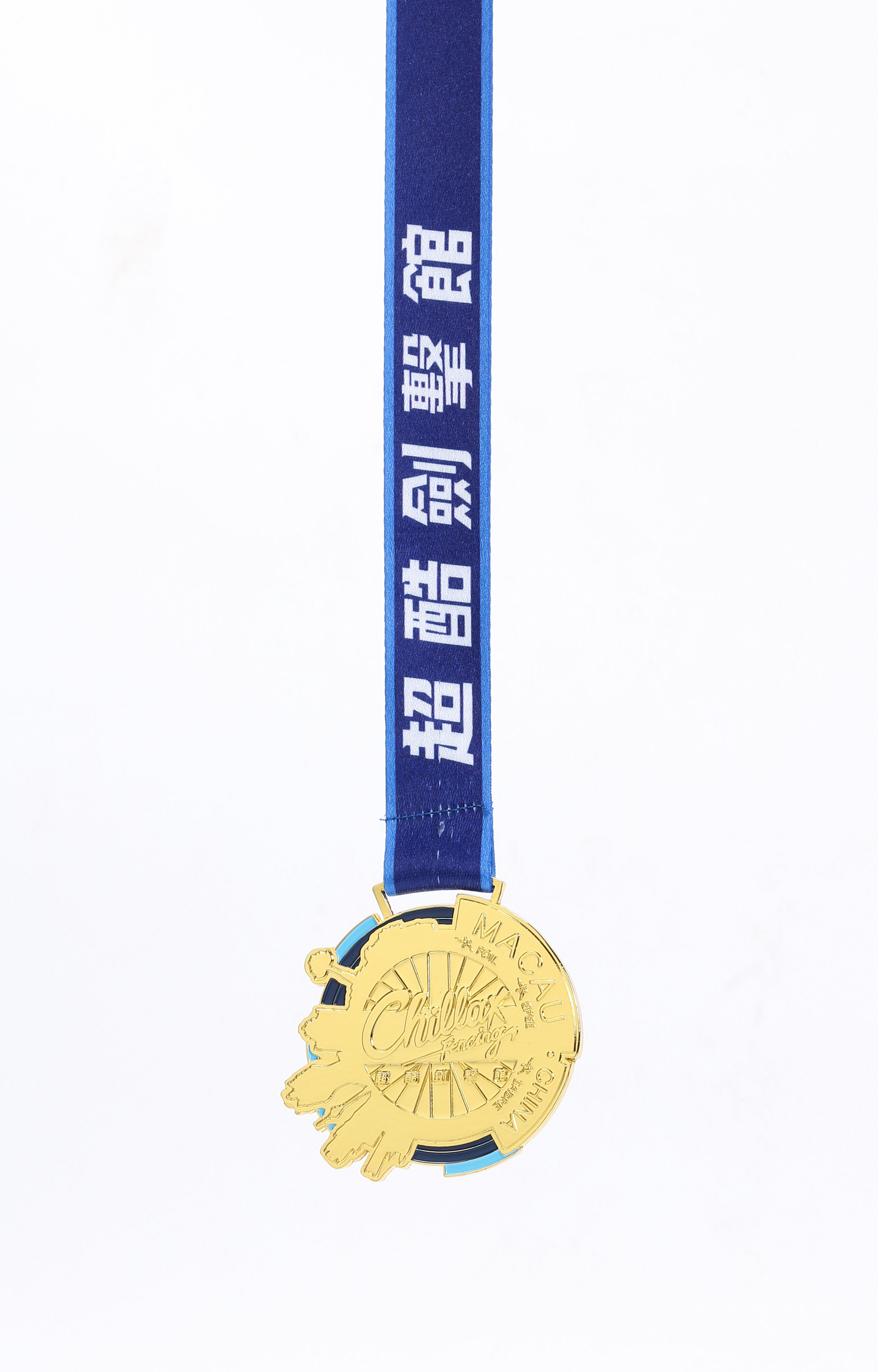
Award medals serve as powerful tangible representations of organizational values, achievements, and cultural identity within modern businesses. The challenge lies in creating award medals that authentically communicate company culture while maintaining design elegance and avoiding visual clutter that can dilute the intended message.
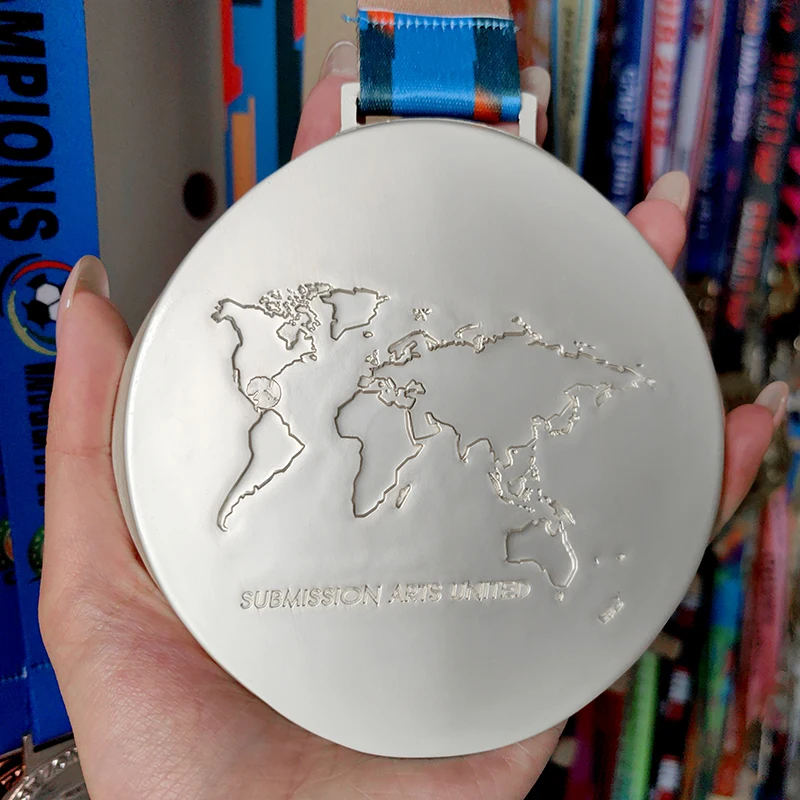
Successful award medals balance cultural expression with design restraint, incorporating meaningful elements that resonate with recipients and stakeholders without overwhelming the visual composition. This approach ensures that award medals function as lasting symbols that reinforce company identity and values through thoughtful, purposeful design choices.
Understanding Cultural Expression Through Medal Design Elements
Core Values Integration in Award Medals
Award medals can effectively embody company culture by incorporating design elements that directly correspond to organizational core values. Rather than attempting to represent every aspect of company culture simultaneously, successful award medals focus on two or three primary values that define the organization's identity. For instance, a technology company emphasizing innovation and collaboration might integrate subtle geometric patterns representing forward-thinking alongside interconnected design elements symbolizing teamwork.
The key to avoiding overdesign lies in selecting cultural elements that translate naturally into medal aesthetics. Award medals work best when cultural representation emerges through thoughtful symbolism rather than literal interpretation. Companies should identify their most distinctive cultural characteristics and explore how these can be expressed through color schemes, typography choices, or abstract design motifs that maintain visual coherence.
Effective award medals often incorporate company mission statements or cultural principles through subtle text placement or meaningful imagery that connects directly to organizational purpose. This approach ensures that recipients understand the cultural significance behind their recognition while maintaining the medal's visual appeal and professional appearance.
Visual Hierarchy and Cultural Messaging
Award medals require careful attention to visual hierarchy to ensure cultural messaging remains clear and impactful. The most important cultural element should occupy the primary visual position, typically the center or upper portion of the medal design. Secondary cultural references can be incorporated through background patterns, border designs, or supporting imagery that complements rather than competes with the main message.
Professional award medals maintain cultural authenticity by establishing clear focal points that guide the viewer's attention through the design systematically. This approach prevents visual confusion and ensures that cultural elements support rather than overwhelm the recognition purpose. Companies should consider how recipients will interact with their award medals and design accordingly to maximize cultural impact.
Color psychology plays a crucial role in cultural expression through award medals, as different hues can reinforce specific organizational characteristics. Companies with innovative cultures might incorporate dynamic color gradients, while organizations emphasizing stability and trust could utilize classic metallic finishes with accent colors that reflect their brand identity.
Strategic Design Principles for Cultural Authenticity
Simplicity as a Cultural Statement
Award medals that reflect company culture effectively often embrace simplicity as a design philosophy, recognizing that restraint can be more powerful than elaboration. Companies with cultures emphasizing efficiency, precision, or minimalism can express these values through clean lines, uncluttered compositions, and purposeful white space that allows key cultural elements to stand out prominently.
The principle of simplicity in award medals doesn't mean sacrificing cultural expression, but rather focusing on the most essential elements that capture organizational identity. This approach requires companies to distill their culture to its fundamental components and translate these into design elements that work harmoniously within the medal's physical constraints.
Professional award medals demonstrate cultural authenticity through confident design choices that resist the temptation to include every possible cultural reference. Companies should evaluate whether each design element serves a specific cultural purpose or merely adds visual complexity without meaningful contribution to the overall message.
Material Selection and Cultural Alignment
The choice of materials for award medals can powerfully reinforce company culture while maintaining design sophistication. Organizations emphasizing environmental responsibility might select sustainable materials or recycled metals that align with their values, while companies focusing on innovation could incorporate modern materials or finishing techniques that reflect their forward-thinking approach.
Award medals crafted from premium materials communicate respect for achievement and cultural values simultaneously, demonstrating that the organization invests in quality recognition programs. The tactile experience of receiving and handling award medals contributes to cultural reinforcement, as recipients form positive associations between the physical object and organizational values.
Texture and finish choices in award medals provide additional opportunities for cultural expression without adding visual complexity. Matte finishes might reflect cultures emphasizing humility and teamwork, while polished surfaces could represent organizations that celebrate excellence and achievement prominently.
Balancing Recognition Purpose with Cultural Expression
Achievement-Focused Design Integration
Award medals must maintain their primary function as recognition tools while incorporating cultural elements that enhance rather than diminish their impact. The most successful designs establish clear connections between cultural values and the specific achievements being recognized, creating meaningful relationships that resonate with recipients and observers.
Cultural integration in award medals should support the recognition narrative rather than competing with it for attention. This requires careful consideration of how cultural elements can complement achievement messaging through coordinated design approaches that reinforce both purposes simultaneously.
Professional award medals often succeed by treating cultural expression and achievement recognition as complementary rather than separate design objectives. Companies should explore how their cultural values relate to the types of achievements they recognize and incorporate design elements that celebrate both aspects cohesively.
Recipient Experience and Cultural Impact
Award medals create lasting impressions that extend beyond the initial presentation ceremony, serving as ongoing reminders of both personal achievement and organizational culture. The design should consider how recipients will display, store, or share their awards, ensuring that cultural messages remain visible and meaningful over time.
The physical experience of receiving award medals contributes significantly to cultural reinforcement, as the weight, texture, and visual impact combine to create memorable moments that strengthen connections between individuals and organizational values. Companies should design award medals that recipients feel proud to display and discuss with others.
Award medals function as conversation starters that can extend cultural influence beyond the immediate recipient to family members, colleagues, and professional networks. This amplification effect makes thoughtful cultural integration even more valuable, as well-designed medals become ambassadors for company culture in various social and professional contexts.
Implementation Strategies for Sustainable Medal Programs
Long-term Cultural Consistency
Award medals programs require strategic planning to ensure cultural representation remains consistent and relevant as organizations evolve. Companies should establish design guidelines that accommodate cultural expression while maintaining visual coherence across different recognition categories and time periods.
Sustainable award medals programs often develop modular design systems that allow for cultural customization within established parameters. This approach enables organizations to adapt their medals for different achievements or departments while maintaining overall cultural consistency and professional appearance standards.
Regular evaluation of award medals effectiveness helps organizations refine their approach to cultural expression and ensure continued alignment with evolving company values. Feedback from recipients and stakeholders provides valuable insights into how well the medals communicate intended cultural messages and achieve recognition objectives.
Budget-Conscious Cultural Expression
Award medals can reflect company culture effectively without requiring excessive investment in complex manufacturing processes or premium materials. Smart design choices that focus on meaningful cultural elements rather than elaborate ornamentation can achieve powerful results within reasonable budget constraints.
Cost-effective award medals often achieve cultural authenticity through creative use of standard manufacturing techniques, strategic color applications, or innovative approaches to traditional medal formats. Companies should explore how their cultural values can be expressed through design choices that work within their recognition program budgets.
Professional award medals demonstrate that cultural impact depends more on thoughtful design integration than expensive materials or complex production methods. Organizations can achieve meaningful cultural expression through focused design approaches that prioritize message clarity and recipient experience over elaborate visual effects.
FAQ
How many cultural elements should be included in award medal designs?
Award medals work best when they focus on two to three primary cultural elements rather than attempting to represent every aspect of company culture. This restraint prevents visual overcrowding while ensuring that the most important cultural messages remain clear and impactful for recipients and observers.
Can award medals effectively represent company culture in different industries?
Award medals can successfully reflect company culture across various industries by focusing on universal cultural values like innovation, collaboration, excellence, or integrity rather than industry-specific elements. The key lies in translating these values into design elements that resonate with the specific organizational context and recipient audience.
How do you avoid making award medals look too busy while including cultural elements?
Award medals maintain visual clarity by establishing clear hierarchies where one cultural element serves as the primary focus while others provide supporting context. Using consistent color schemes, balanced compositions, and purposeful white space helps integrate cultural elements without creating visual confusion or overwhelming the recognition message.
What role does material selection play in expressing company culture through award medals?
Material choices for award medals can reinforce cultural values significantly, with sustainable materials reflecting environmental responsibility, premium metals demonstrating quality commitment, and innovative finishes expressing forward-thinking approaches. The tactile experience of handling different materials also contributes to cultural messaging and recipient satisfaction with their recognition.
Table of Contents
- Understanding Cultural Expression Through Medal Design Elements
- Strategic Design Principles for Cultural Authenticity
- Balancing Recognition Purpose with Cultural Expression
- Implementation Strategies for Sustainable Medal Programs
-
FAQ
- How many cultural elements should be included in award medal designs?
- Can award medals effectively represent company culture in different industries?
- How do you avoid making award medals look too busy while including cultural elements?
- What role does material selection play in expressing company culture through award medals?