 EN
EN
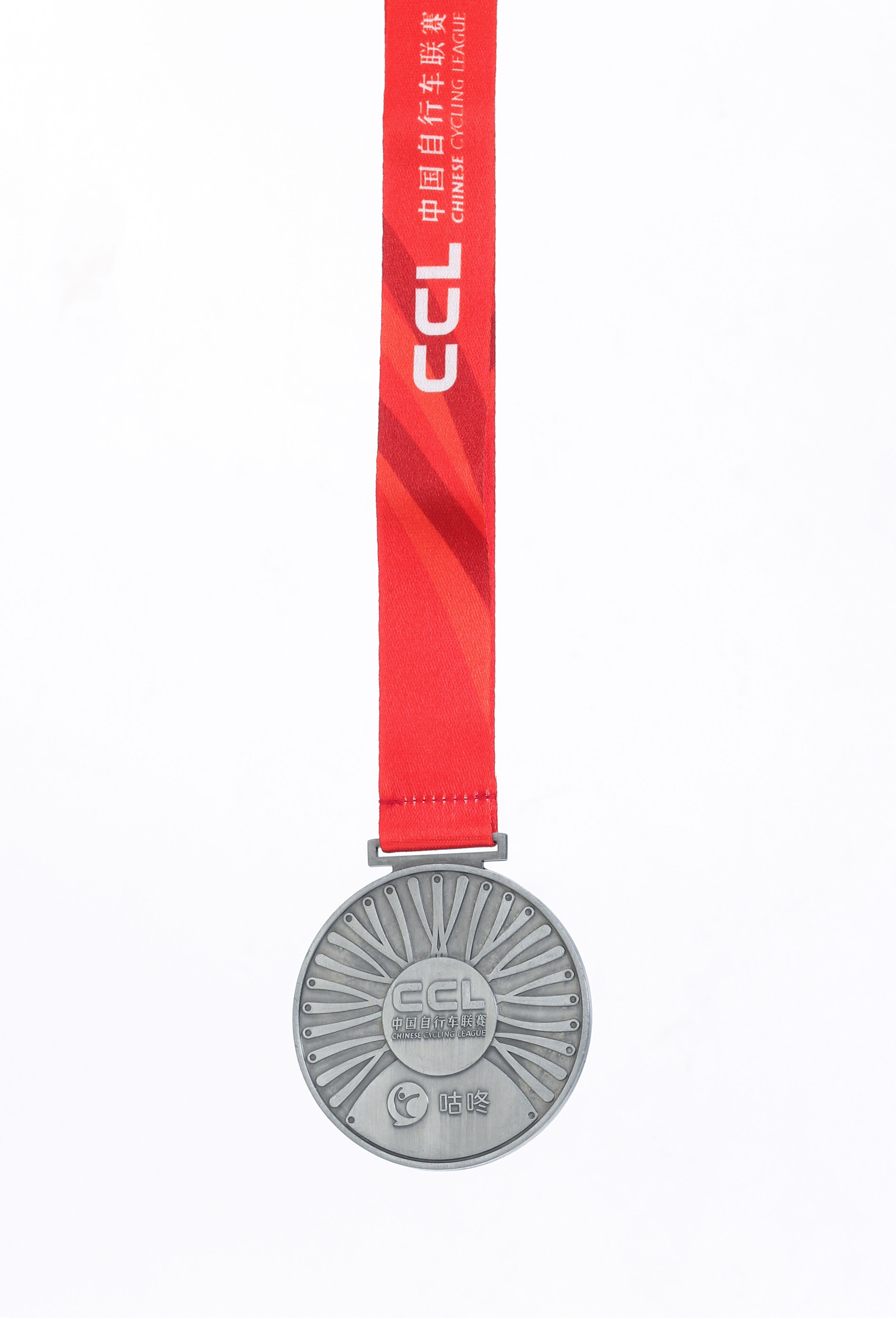
Award medals have long been used across industries, from corporate environments to educational institutions, as a way to recognize achievements and foster team spirit. However, many leaders question whether these tangible recognition tools actually deliver measurable improvements in team morale and engagement, or if they simply represent outdated motivational tactics that fail to resonate with modern workforce expectations.
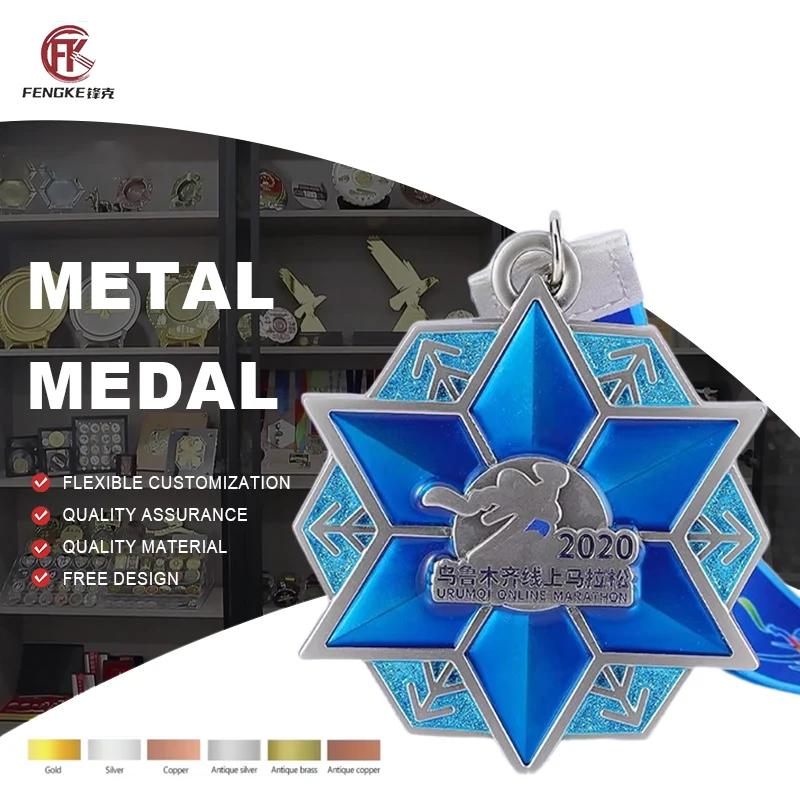
The effectiveness of award medals in improving team dynamics depends on multiple psychological and organizational factors that extend far beyond the physical presentation of recognition. Research in organizational psychology suggests that the impact of award medals varies significantly based on implementation strategy, timing, cultural context, and the perceived value that recipients place on the recognition itself.
The Psychological Foundation of Medal-Based Recognition
Intrinsic Versus Extrinsic Motivation Dynamics
Award medals function as external motivators that can either enhance or diminish intrinsic motivation depending on how they are implemented within team structures. When award medals are presented as genuine recognition for meaningful contributions, they tend to reinforce existing internal drive and create positive psychological reinforcement loops that strengthen team engagement over time.
However, when award medals become routine or are perceived as participation trophies rather than earned recognition, they may actually undermine intrinsic motivation by shifting focus from personal satisfaction and professional growth toward external validation. This shift can create dependency on external recognition systems that may not be sustainable in the long term.
The timing of award medals presentation plays a crucial role in determining their psychological impact. Recognition delivered immediately following significant achievements tends to create stronger associations between behavior and reward, leading to more effective reinforcement of desired team behaviors and improved morale outcomes.
Social Recognition and Peer Validation Effects
Award medals serve as visible symbols that communicate achievement not only to recipients but also to their peers, creating social recognition dynamics that can significantly influence team morale. When team members witness colleagues receiving meaningful recognition through award medals, it often creates aspirational motivation and demonstrates that contributions are valued within the organization.
The social aspect of award medals presentation ceremonies can strengthen team bonds by creating shared experiences and celebration moments that reinforce collective identity. These gatherings provide opportunities for peer recognition and cross-functional appreciation that might not occur through private recognition methods alone.
However, the social dimension of award medals can also create competitive tensions or feelings of exclusion among team members who do not receive recognition. Careful consideration of selection criteria and transparent communication about recognition standards becomes essential for maintaining positive team dynamics.
Measuring Actual Impact on Team Performance
Quantitative Metrics and Engagement Indicators
Organizations implementing award medals programs often track specific metrics to assess their impact on team morale and engagement. Employee satisfaction scores, retention rates, and participation in voluntary initiatives frequently show measurable improvements when recognition programs are implemented thoughtfully and consistently.
Productivity metrics also provide insights into the effectiveness of award medals programs, though the correlation between recognition and output can be influenced by numerous other factors including workload, resources, and market conditions. Teams that receive regular recognition through award medals often demonstrate increased collaboration and willingness to exceed basic job requirements.
Absenteeism rates and voluntary turnover statistics can serve as indirect indicators of improved morale resulting from award medals programs. When employees feel genuinely appreciated and recognized for their contributions, they typically demonstrate higher commitment to their roles and organizations.
Qualitative Feedback and Cultural Transformation
Beyond quantitative measures, qualitative feedback from team members provides valuable insights into how award medals influence workplace culture and individual engagement levels. Focus groups and one-on-one discussions often reveal that employees value the thoughtfulness and personalization behind recognition more than the physical award medals themselves.
Cultural transformation indicators include increased peer-to-peer recognition, improved communication patterns, and greater willingness to support colleagues. Award medals programs that succeed in improving team morale often catalyze broader cultural shifts toward appreciation and acknowledgment throughout the organization.
The longevity of positive effects from award medals recognition depends largely on program consistency and evolution. Teams report sustained engagement improvements when recognition programs adapt to changing needs and maintain relevance to current challenges and achievements.
Implementation Strategies for Maximum Effectiveness
Criteria Development and Selection Processes
Successful award medals programs require clearly defined criteria that align with organizational values and team objectives. Recognition criteria should be specific enough to provide meaningful differentiation while remaining achievable for team members across different roles and experience levels.
Transparent selection processes build trust in award medals programs and ensure that recognition is perceived as fair and merit-based. Involving team members in criteria development can increase buy-in and ensure that recognition standards reflect actual team priorities and challenges.
Regular review and refinement of selection criteria helps maintain the relevance and effectiveness of award medals programs over time. As team dynamics and organizational priorities evolve, recognition programs must adapt to continue driving positive morale and engagement outcomes.
Ceremony Design and Presentation Methods
The presentation context significantly influences how award medals are received and their subsequent impact on team morale. Formal ceremonies create memorable experiences that amplify the recognition value, while informal presentations may feel more personal and authentic depending on team culture.
Storytelling elements during award medals presentations help contextualize achievements and reinforce the behaviors being recognized. Sharing specific examples of how recipients contributed to team success creates learning opportunities for other team members and strengthens the connection between actions and recognition.
Follow-up communication and documentation of award medals recipients helps maintain visibility of achievements and creates lasting records that can inspire future performance. Digital recognition platforms can extend the reach and longevity of recognition moments beyond the initial presentation.
Common Pitfalls and Effectiveness Barriers
Over-Recognition and Devaluation Risks
One significant risk in award medals programs involves the tendency to over-recognize, which can dilute the perceived value and impact of recognition. When award medals become too frequent or are given for routine tasks, they lose their motivational power and may actually decrease rather than improve team morale.
Maintaining appropriate scarcity and selectivity in award medals distribution helps preserve their significance and ensures that recipients feel genuinely honored. Recognition programs must balance inclusivity with meaningfulness to avoid participation trophy dynamics that undermine engagement.
Quality standards for award medals themselves also influence their perceived value and impact on recipient morale. Cheap or poorly designed recognition items may send unintended messages about how much the organization values employee contributions.
Cultural Misalignment and Individual Preferences
Award medals programs that fail to consider cultural differences and individual preferences may not achieve intended morale improvements. Some team members prefer private recognition, while others value public acknowledgment, requiring flexible approaches to maximize positive impact across diverse teams.
Generational differences in recognition preferences can also influence the effectiveness of award medals programs. Younger employees might prefer digital recognition or experiential rewards, while others may place higher value on traditional physical award medals and formal ceremonies.
Regular feedback collection and program customization help ensure that award medals initiatives remain relevant and effective for specific team compositions and cultural contexts.
Long-Term Sustainability and Evolution
Program Adaptation and Continuous Improvement
Sustainable award medals programs require ongoing evaluation and adaptation to maintain their effectiveness in improving team morale and engagement. Regular assessment of program outcomes, recipient feedback, and changing organizational needs helps identify opportunities for improvement and evolution.
Integration with other recognition and development programs can enhance the overall impact of award medals initiatives. When recognition aligns with career development opportunities, skill building programs, and performance management systems, it creates more comprehensive support for team engagement.
Technology integration and digital platforms can extend the reach and impact of award medals programs while providing better tracking and analytics capabilities. Digital recognition systems can complement physical award medals by creating permanent records and enabling peer recognition features.
Budget Considerations and Resource Allocation
Cost-effectiveness analysis helps organizations determine appropriate investment levels in award medals programs relative to their impact on team morale and engagement. Budget allocation should consider not only the cost of physical award medals but also administrative time, ceremony expenses, and ongoing program management.
Return on investment calculations for award medals programs should include both direct benefits like improved retention and productivity, as well as indirect benefits such as enhanced employer brand and recruitment advantages.
Scaling considerations become important as organizations grow, requiring systems and processes that can maintain program quality and impact while accommodating larger teams and more complex organizational structures.
FAQ
How quickly do award medals show measurable improvements in team morale?
Most organizations observe initial improvements in team morale within 30-60 days of implementing well-designed award medals programs, with more significant and sustained changes typically evident after 3-6 months of consistent recognition. The timeline depends on program design, organizational culture, and baseline engagement levels.
Can award medals programs backfire and actually reduce team morale?
Yes, poorly implemented award medals programs can decrease morale if they are perceived as unfair, too frequent, or lacking in genuine appreciation. Programs that create competition rather than collaboration, or that recognize inappropriate behaviors, may harm rather than help team dynamics and engagement.
What types of achievements work best for award medals recognition?
Award medals are most effective when recognizing significant achievements that required effort, skill, or dedication beyond normal job requirements. Examples include successful project completions, innovation contributions, exceptional customer service, mentoring excellence, or achievements that demonstrate organizational values in action.
How do award medals compare to other forms of recognition for improving morale?
Award medals provide tangible, lasting recognition that recipients can display and remember long-term, making them particularly effective for milestone achievements. However, they work best when combined with other recognition methods like verbal praise, development opportunities, and monetary rewards, rather than serving as the sole recognition approach.