 EN
EN
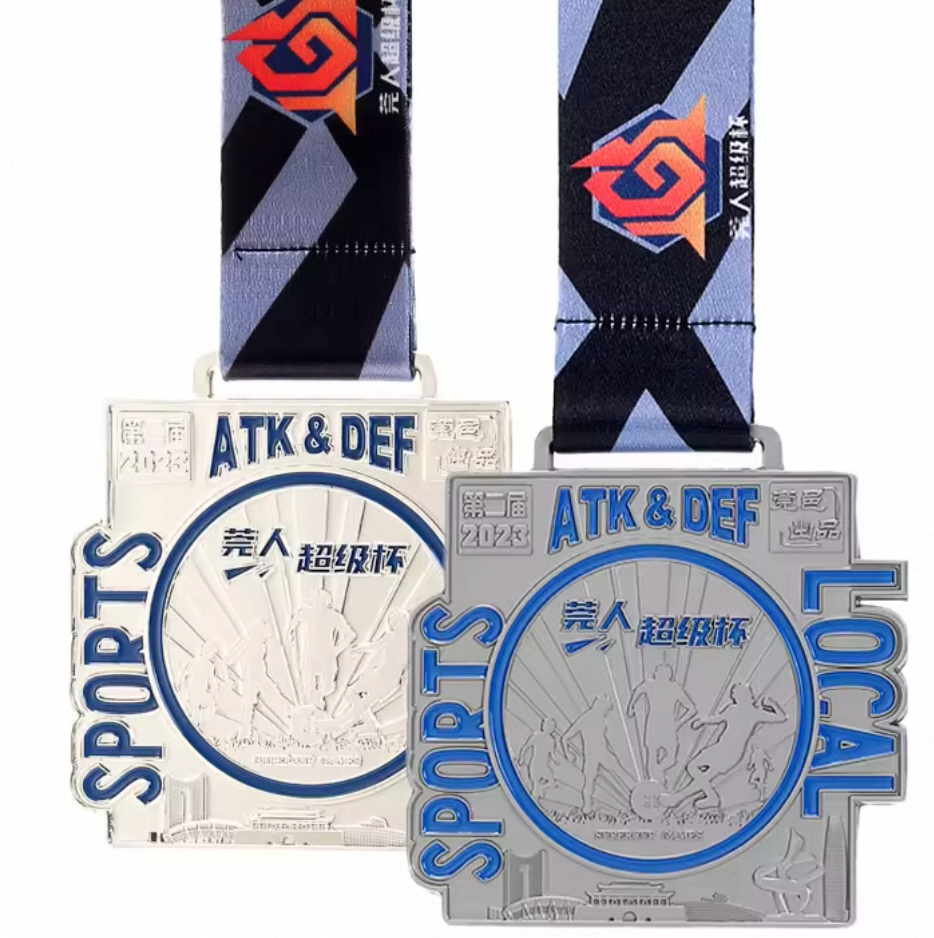
Soccer medals design plays a crucial role in creating meaningful recognition for athletes who dedicate countless hours to perfecting their skills on the field. The visual elements, materials, and symbolic features of these awards can significantly impact how recipients perceive their achievements and value their competitive experiences. Understanding which design components resonate most strongly with soccer players helps create medals that truly honor their dedication and inspire continued excellence in the sport.
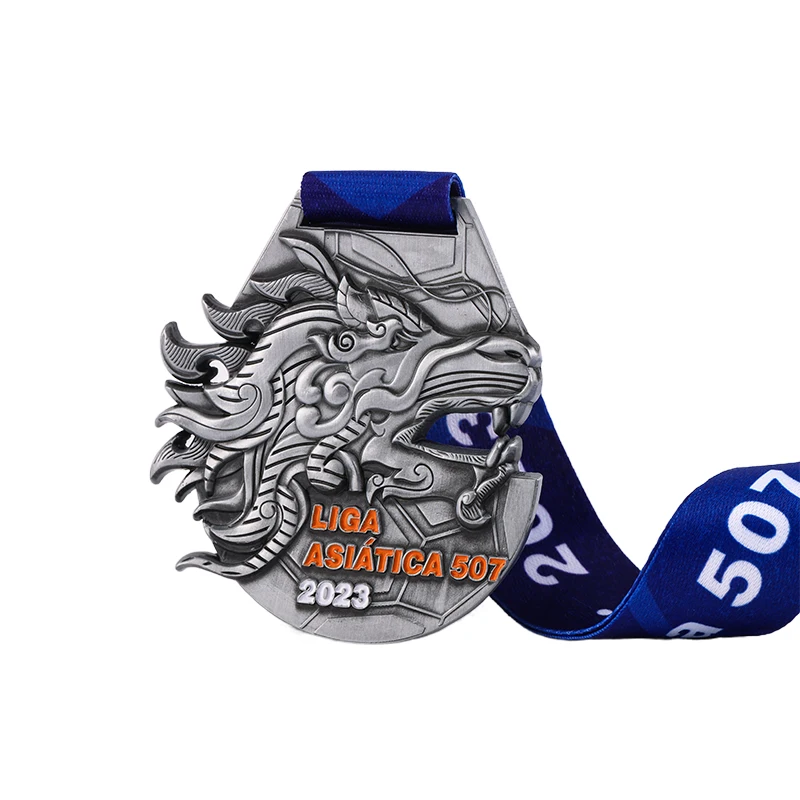
Athletes form deep emotional connections with awards that reflect their personal journey and team accomplishments. The most effective soccer medals design incorporates elements that speak directly to the recipient's experience, from youth league participation to professional championships. By examining athlete preferences and psychological responses to different design features, we can identify the key components that make soccer medals more than simple participation tokens—transforming them into treasured symbols of sporting achievement.
Visual Symbolism That Resonates With Soccer Players
Soccer Ball Integration and Field Elements
The most recognizable element in soccer medals design is the incorporation of soccer ball imagery, which creates immediate visual connection to the sport. Athletes consistently respond positively to medals featuring detailed soccer ball patterns, whether embossed, engraved, or three-dimensional. The hexagonal and pentagonal panels of a traditional soccer ball provide excellent opportunities for textural contrast and visual depth that catches light effectively during award ceremonies.
Field elements such as goal posts, corner flags, and pitch markings also strengthen the connection between the medal and the athlete's playing experience. These design components remind recipients of specific moments during competition and create lasting associations with their achievements. Soccer medals design that incorporates subtle field boundaries or goal net patterns often generates stronger emotional responses than generic sports imagery.
Dynamic action poses featuring players in motion, kicking, or celebrating add energy to static medal designs. Athletes appreciate seeing their sport represented through dynamic imagery that captures the excitement and athleticism required for soccer excellence. These action elements work particularly well when combined with flowing ribbon or banner designs that suggest movement and momentum.
Team Colors and Personal Identity Elements
Customizable color schemes allow soccer medals design to reflect team identity and create stronger personal connections with recipients. Athletes value medals that incorporate their team colors through enamel inlays, colored ribbons, or tinted metal finishes. This personalization transforms generic awards into team-specific recognition that reinforces group identity and shared accomplishments.
Space for individual names, positions, or jersey numbers adds personal significance that athletes treasure throughout their careers. Soccer medals design that includes designated areas for custom engraving allows each recipient to claim ownership of their specific achievement. Players often display these personalized medals prominently in their homes or training facilities as reminders of their soccer journey.
Tournament logos, league emblems, and competition branding integrated into medal design help athletes associate their awards with specific achievements and milestones. These organizational elements provide context that makes medals more meaningful beyond the immediate recognition ceremony. Well-executed branding integration maintains professional appearance while celebrating the organizing body's commitment to athlete recognition.
Material Choices and Finish Quality Impact
Metal Selection and Weight Considerations
Athletes consistently prefer medals with substantial weight that conveys quality and importance. Soccer medals design benefits from using metals like bronze, silver, or gold-plated alloys that provide satisfying heft when worn or handled. The physical weight of a medal contributes significantly to the recipient's perception of value and achievement significance.
Finish quality directly impacts long-term satisfaction with soccer medals design, as athletes often keep their awards for decades. High-quality plating, polishing, and protective coatings ensure medals maintain their appearance despite handling and display. Antique finishes, brushed textures, and mirror polishes each create different visual effects that appeal to various age groups and competition levels.
Metal color psychology plays a role in athlete satisfaction, with gold finishes traditionally associated with highest achievement levels. However, modern soccer medals design increasingly incorporates mixed metal finishes that create visual interest and allow for more creative expression while maintaining premium appearance.
Ribbon and Suspension System Appeal
Ribbon design significantly influences athlete perception of medal quality and appropriateness. Soccer medals design benefits from ribbons that complement the sport's dynamic nature through colors, patterns, or textures that suggest motion or team identity. Wide ribbons provide better stability and comfort during wearing, while also offering more space for decorative elements.
Suspension hardware quality affects both medal presentation and long-term durability. Athletes appreciate medals with secure attachment systems that prevent accidental separation between ribbon and medal body. High-quality jump rings, split rings, or welded connections demonstrate attention to detail that athletes notice and value.
Custom ribbon printing allows soccer medals design to incorporate additional branding, achievement details, or motivational messages that extend the recognition beyond the medal itself. Athletes often read and re-read text on medal ribbons, making this space valuable for reinforcing positive messages about their accomplishments and encouraging continued participation.
Size and Dimensional Design Preferences
Optimal Medal Dimensions for Display and Wearing
Soccer medals design must balance visual impact with practical wearability, as athletes use these awards for both ceremony participation and long-term display. Medals measuring between 2.5 to 3.5 inches in diameter typically provide sufficient space for detailed design elements while remaining comfortable to wear during extended ceremonies or photo sessions.
Thickness considerations affect both medal appearance and perceived quality, with athletes generally preferring medals substantial enough to cast interesting shadows and create visual depth. Soccer medals design that incorporates varying thickness levels through raised elements, recessed areas, and edge treatments creates more engaging visual experiences than flat, uniform surfaces.
Proportion relationships between different design elements influence overall aesthetic success and athlete satisfaction. Well-designed medals maintain harmonious relationships between text size, imagery scale, and negative space that create balanced, professional appearances worthy of athletic achievement recognition.
Three-Dimensional Elements and Texture Effects
Raised design elements add tactile interest that athletes appreciate when handling their medals. Soccer medals design incorporating embossed soccer balls, raised text, or three-dimensional player figures creates sensory engagement that flat medals cannot match. These dimensional elements also photograph more dramatically during award ceremonies and social media sharing.
Texture variations through sandblasting, diamond-cutting, or cross-hatching create visual interest and light-catching properties that enhance medal appearance under different lighting conditions. Athletes notice and appreciate these finishing details that demonstrate craftsmanship and attention to quality in soccer medals design.
Edge treatments such as rope borders, stepped edges, or decorative rim patterns frame the medal design and create finished appearances that athletes associate with premium quality. These perimeter details often determine whether recipients perceive medals as professional recognition or amateur-level participation awards.
Color Psychology and Aesthetic Appeal
Traditional vs. Modern Color Applications
Traditional gold, silver, and bronze color schemes maintain strong appeal among athletes who associate these finishes with Olympic-level recognition and established sporting traditions. Soccer medals design utilizing classic metal colors communicates prestige and timelessness that resonates across age groups and competition levels.
Modern color applications incorporating team colors, gradient effects, or contemporary finish techniques appeal particularly to younger athletes and recreational leagues seeking distinctive recognition. Bold color combinations and innovative finish treatments can make soccer medals design more memorable and personally meaningful to recipients.
Color contrast strategies help ensure text legibility and design element distinction, which directly impacts athlete ability to appreciate medal details. High contrast between background colors and raised elements enhances visual impact and ensures medals photograph well during ceremony documentation and personal sharing.
Enamel Work and Color Fill Techniques
Enamel applications allow soccer medals design to incorporate vibrant colors that maintain durability and professional appearance over time. Soft enamel techniques create slight texture variations that add visual interest, while hard enamel provides smooth, jewelry-like finishes that athletes often prefer for high-level competitions.
Color fill precision affects overall medal quality perception, as athletes notice uneven edges, color bleeding, or incomplete coverage that suggests inferior manufacturing. Professional soccer medals design requires clean color boundaries and consistent fill depths that demonstrate manufacturing excellence.
Multiple color combinations within single medals create opportunities for complex designs that tell visual stories about specific tournaments, achievements, or organizational identities. Athletes respond positively to medals that use color strategically to highlight important information while maintaining overall design coherence.
FAQ
What size should soccer medals be for maximum athlete appeal?
Soccer medals design typically works best at 2.5 to 3.5 inches in diameter, providing adequate space for detailed design elements while remaining comfortable to wear. This size range allows for clear visibility of text and imagery while maintaining practical wearability during ceremonies and creating impressive display pieces that athletes can proudly showcase.
Which materials do soccer players prefer for their medals?
Athletes generally prefer soccer medals design using substantial metals like brass, bronze, or zinc alloy with quality plating in gold, silver, or antique finishes. The weight and finish quality directly impact perceived value, with heavier medals typically generating stronger emotional responses and longer-term satisfaction among recipients.
How important are custom elements in soccer medals design?
Customization elements like team colors, individual names, and tournament-specific details significantly increase athlete satisfaction with their medals. Soccer medals design that incorporates personal or team identity elements creates stronger emotional connections and transforms generic awards into meaningful keepsakes that athletes treasure throughout their careers.
What visual elements make soccer medals most appealing to athletes?
The most attractive soccer medals design features combine recognizable soccer imagery like balls and goals with dynamic action poses and quality dimensional elements. Athletes respond positively to medals that capture the energy and excitement of their sport while maintaining professional appearance through balanced proportions and high-quality finishing techniques.