 EN
EN
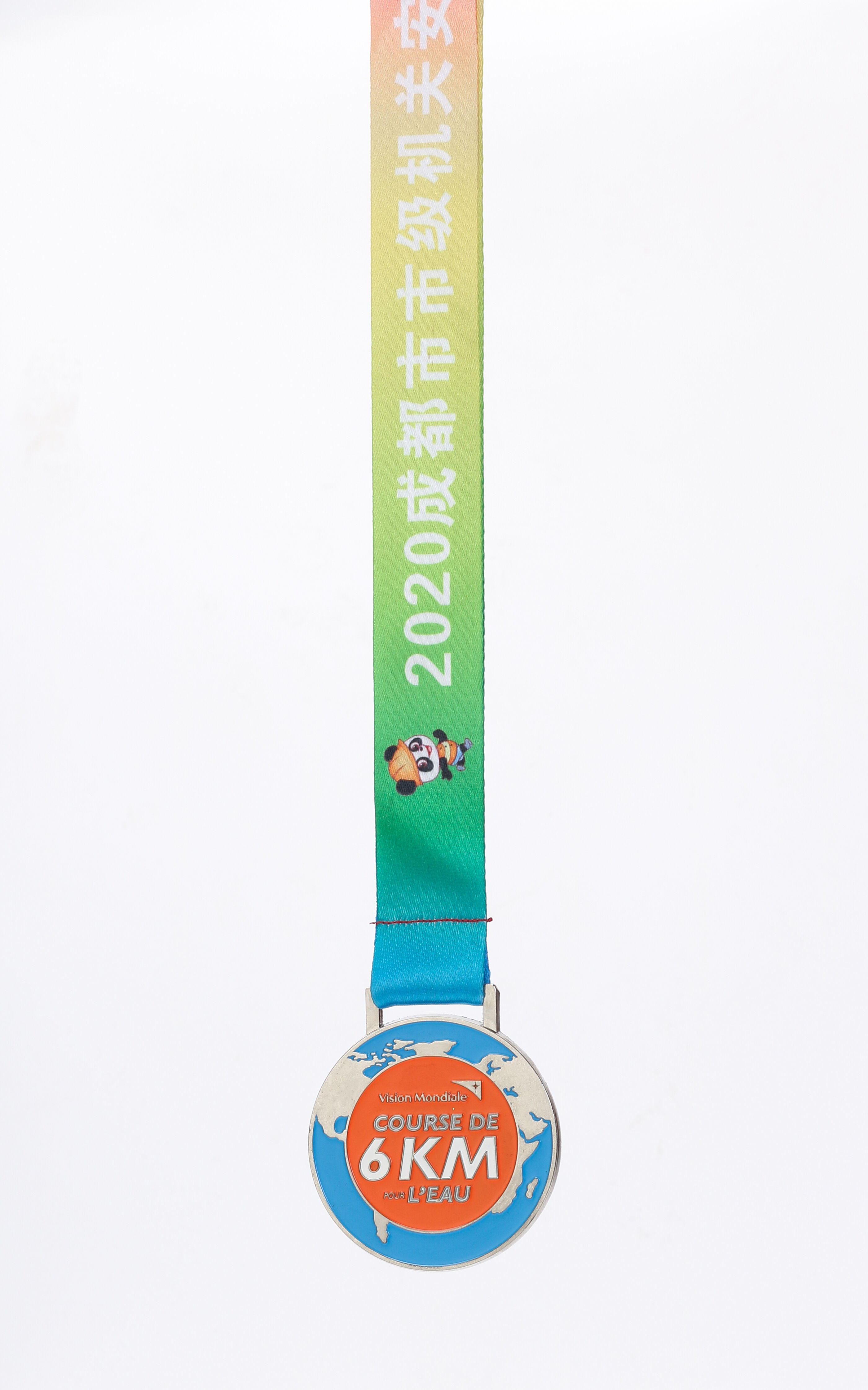
Collaborating with manufacturers to create distinctive custom medals requires a strategic approach that balances creative vision with manufacturing expertise. The process involves establishing clear communication channels, understanding production capabilities, and aligning design concepts with technical feasibility to achieve exceptional results that meet both aesthetic and functional requirements.
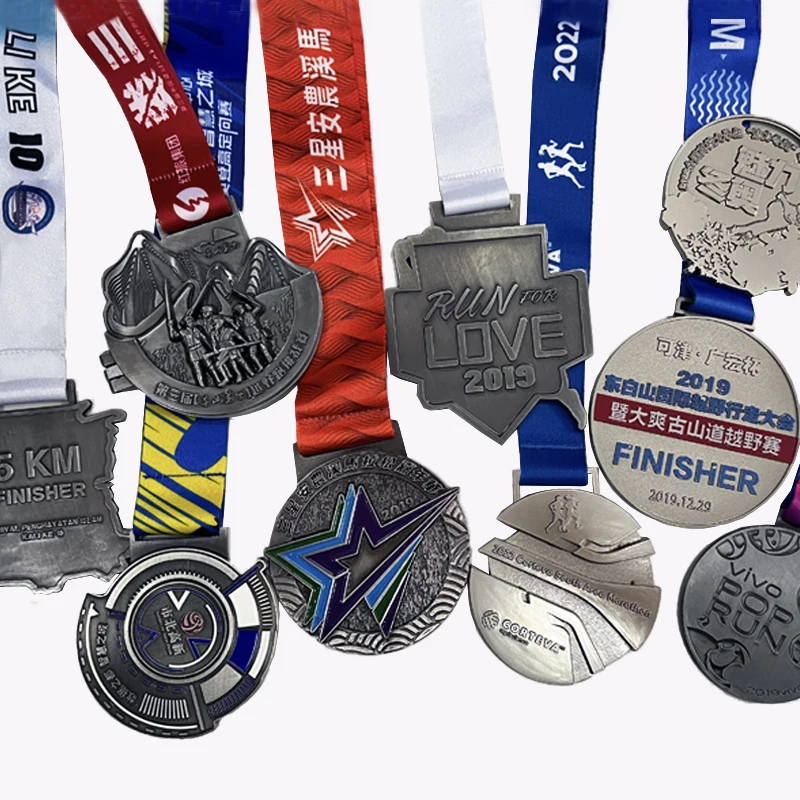
Successful collaboration begins with selecting manufacturing partners who demonstrate proven experience in custom medal production and show genuine interest in bringing innovative designs to life. The partnership should foster mutual understanding of project goals, timeline constraints, and quality expectations while maintaining flexibility for creative exploration throughout the development process.
Building Effective Communication Channels with Medal Manufacturers
Establishing Clear Project Specifications
The foundation of any successful custom medal collaboration lies in creating comprehensive project specifications that communicate your vision effectively. Begin by developing detailed design briefs that include dimensional requirements, material preferences, finish options, and quantity specifications. This documentation serves as the primary reference point throughout the collaboration process and helps manufacturers understand your exact requirements from the outset.
Include visual references, mockups, or conceptual sketches to supplement written specifications. Many manufacturers work more effectively when they can visualize the intended outcome of the custom medal project. Provide examples of existing medals that capture elements you admire, while clearly indicating which aspects should be incorporated or avoided in your design.
Document any special requirements such as attachment methods, packaging preferences, or delivery timelines that could impact the manufacturing process. Clear specifications reduce the likelihood of miscommunication and ensure that both parties maintain realistic expectations throughout the collaboration period.
Developing Regular Communication Protocols
Establish scheduled check-in meetings or progress reviews to maintain momentum and address challenges as they arise during custom medal development. Regular communication prevents small issues from becoming major obstacles and allows for timely adjustments to design or production approaches when necessary.
Create structured feedback loops that allow both parties to share observations, concerns, and suggestions throughout the manufacturing process. Manufacturers often possess valuable insights about design optimization, material selection, or production techniques that can enhance the final custom medal quality while maintaining cost effectiveness.
Designate primary contacts on both sides to streamline communication and avoid confusion that can occur when multiple people provide conflicting instructions or feedback. This approach ensures consistency in decision-making and helps maintain project continuity even when team members change during the collaboration period.
Leveraging Manufacturing Expertise for Design Innovation
Understanding Production Capabilities and Limitations
Effective collaboration requires thorough understanding of your manufacturer's production capabilities, equipment limitations, and technical expertise areas. Schedule facility tours or virtual demonstrations to observe manufacturing processes firsthand and gain insights into how custom medal designs translate from concept to finished product.
Discuss material options extensively, as manufacturers often work with diverse metals, alloys, and finishing techniques that could enhance your custom medal design in unexpected ways. Understanding available options enables more informed decision-making and may reveal opportunities for creative enhancements that weren't initially considered.
Explore the manufacturer's experience with specialized techniques such as 3D modeling, multi-level relief work, color applications, or unique attachment mechanisms. This knowledge helps identify opportunities to incorporate distinctive features that differentiate your custom medal from conventional designs while remaining within practical production parameters.
Collaborative Design Development Process
Engage manufacturers as design partners rather than simple production vendors by inviting their input during the conceptual development phase. Experienced manufacturers often suggest design modifications that improve both visual impact and production efficiency, resulting in higher quality custom medal outcomes.
Utilize the manufacturer's prototyping capabilities to test design concepts before committing to full production runs. Physical prototypes reveal details about weight distribution, visual proportions, and tactile qualities that cannot be fully evaluated through digital representations alone, leading to more refined final designs.
Consider the manufacturer's recommendations for design optimization that balances creative vision with practical considerations such as durability, cost efficiency, and production timeline requirements. This collaborative approach often results in custom medal solutions that exceed initial expectations while remaining within budget constraints.
Managing Creative Vision and Technical Feasibility
Balancing Artistic Elements with Production Realities
Creative custom medal designs must navigate the intersection between artistic vision and manufacturing practicalities. Work closely with manufacturers to identify which design elements can be executed as envisioned and which require modification to ensure successful production outcomes while preserving the essential creative intent.
Discuss tolerances for fine details, minimum feature sizes, and depth limitations that could affect design execution. Understanding these parameters early in the process prevents disappointment later and allows for proactive design adjustments that maintain visual impact while conforming to production requirements.
Explore alternative approaches for achieving desired visual effects when initial concepts prove challenging to manufacture. Experienced manufacturers often suggest creative workarounds or alternative techniques that deliver similar aesthetic results through different production methods, maintaining the custom medal's distinctive appearance.
Iterative Refinement Through Collaborative Feedback
Implement structured review cycles that allow for gradual refinement of custom medal designs through collaborative feedback between creative teams and manufacturing specialists. This iterative approach helps identify optimal solutions that satisfy both aesthetic goals and production requirements.
Document design evolution throughout the collaboration process to track decisions and maintain consistency across multiple revision cycles. This documentation proves valuable for future custom medal projects and helps establish best practices for ongoing manufacturer relationships.
Encourage manufacturers to provide candid feedback about design feasibility, potential challenges, and suggested improvements. Their technical expertise combined with your creative vision creates opportunities for innovative custom medal solutions that neither party could develop independently.
Quality Assurance and Production Management
Establishing Quality Standards and Inspection Protocols
Develop comprehensive quality standards that define acceptable tolerances for dimensions, finish quality, color consistency, and overall craftsmanship for your custom medal production. These standards should be clearly communicated to manufacturers and incorporated into contractual agreements to ensure mutual understanding of quality expectations.
Implement inspection protocols at key production milestones, including material verification, prototype approval, first article inspection, and final quality checks before shipment. Regular quality assessments help identify potential issues early in the production process when corrections are most cost-effective.
Consider third-party quality inspections for large or critical custom medal orders to provide independent verification of manufacturing standards. This approach adds an extra layer of quality assurance while demonstrating commitment to excellence in the final product.
Managing Production Timeline and Delivery Coordination
Create detailed production schedules that account for design finalization, tooling preparation, sample approval, production time, and delivery logistics for custom medal projects. Realistic timeline planning prevents rushed production that could compromise quality outcomes.
Build buffer time into production schedules to accommodate potential design revisions, material delays, or quality issues that may arise during manufacturing. This contingency planning helps ensure on-time delivery while maintaining quality standards throughout the custom medal production process.
Coordinate closely with manufacturers regarding packaging requirements, shipping methods, and delivery logistics to ensure custom medal products arrive in perfect condition. Proper packaging design protects finished products during transit and enhances the recipient's unboxing experience.
Building Long-Term Manufacturing Partnerships
Developing Strategic Supplier Relationships
Transform individual custom medal projects into ongoing strategic partnerships by demonstrating consistent business volume, providing regular feedback, and investing in relationship development with key manufacturing partners. Long-term relationships often result in priority scheduling, preferential pricing, and enhanced collaboration on innovative projects.
Share your organization's long-term custom medal requirements and growth projections with trusted manufacturers to help them plan capacity and invest in capabilities that support your evolving needs. This transparency strengthens partnerships and ensures manufacturers remain equipped to handle future project demands.
Recognize and celebrate successful collaborations through testimonials, case studies, or industry references that highlight the manufacturer's contributions to custom medal project success. This recognition strengthens relationships while providing valuable marketing content for manufacturing partners.
Continuous Improvement Through Partnership Evolution
Regularly evaluate collaboration effectiveness and identify opportunities for process improvements that benefit both parties in custom medal development projects. This ongoing assessment helps refine communication protocols, streamline approval processes, and enhance overall project efficiency.
Stay informed about new technologies, materials, or techniques that manufacturers adopt and explore how these innovations could enhance future custom medal designs. Keeping pace with industry developments ensures your projects benefit from the latest manufacturing capabilities and creative possibilities.
Invest in joint training or knowledge sharing sessions that help both teams better understand each other's requirements, capabilities, and constraints. This mutual education strengthens collaboration effectiveness and leads to more successful custom medal outcomes over time.
FAQ
How long does it typically take to develop a custom medal through manufacturer collaboration?
The timeline for custom medal development varies depending on design complexity, manufacturer capabilities, and approval processes, but typically ranges from 2-6 weeks for design finalization and 2-4 weeks for production. Complex designs with multiple revisions or specialized techniques may require additional time, while simple modifications to existing templates can be completed more quickly.
What information should I provide to manufacturers when requesting custom medal quotes?
Provide detailed specifications including dimensions, materials, quantities, finish requirements, design concepts or references, timeline expectations, and budget parameters. Include any special requirements such as packaging, shipping destinations, or quality certifications. The more comprehensive your initial information, the more accurate and useful the manufacturer's quote will be.
How can I ensure my custom medal design remains confidential during the collaboration process?
Establish non-disclosure agreements before sharing sensitive design information and work only with manufacturers who demonstrate professional confidentiality practices. Limit design sharing to essential personnel and consider watermarking or otherwise protecting digital design files. Reputable manufacturers understand the importance of client confidentiality and typically have established protocols for protecting proprietary designs.
What should I do if the manufacturer cannot produce my exact custom medal design as envisioned?
Work collaboratively to identify alternative approaches that achieve similar visual or functional goals within the manufacturer's capabilities. Often, experienced manufacturers can suggest creative modifications or alternative techniques that deliver the desired impact while conforming to production requirements. Maintain open communication about essential design elements that cannot be compromised versus areas where flexibility is acceptable.
Table of Contents
- Building Effective Communication Channels with Medal Manufacturers
- Leveraging Manufacturing Expertise for Design Innovation
- Managing Creative Vision and Technical Feasibility
- Quality Assurance and Production Management
- Building Long-Term Manufacturing Partnerships
-
FAQ
- How long does it typically take to develop a custom medal through manufacturer collaboration?
- What information should I provide to manufacturers when requesting custom medal quotes?
- How can I ensure my custom medal design remains confidential during the collaboration process?
- What should I do if the manufacturer cannot produce my exact custom medal design as envisioned?