 EN
EN
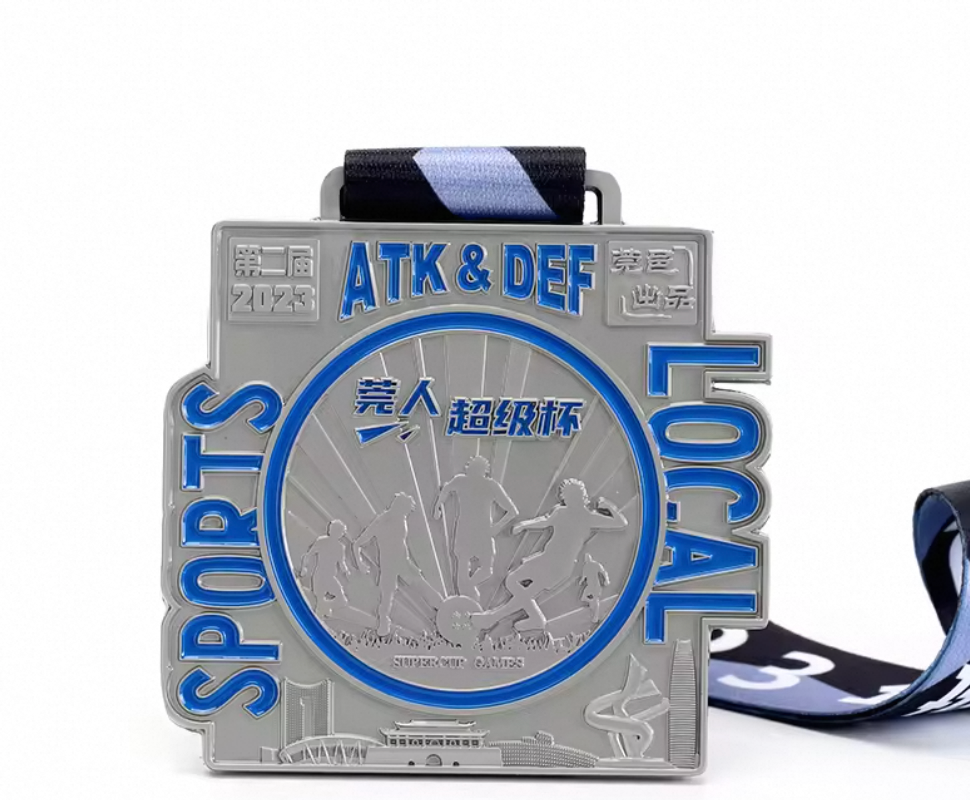
Customizing football medals requires a strategic approach that balances team identity with aesthetic appeal, creating awards that truly represent the spirit and achievements of your football organization. The process involves understanding your team's core values, visual identity elements, and the specific message you want to convey through these commemorative pieces. Successful football medals customization goes beyond simply adding a team logo; it requires thoughtful consideration of design elements, materials, colors, and symbolic features that resonate with players, coaches, and supporters alike.
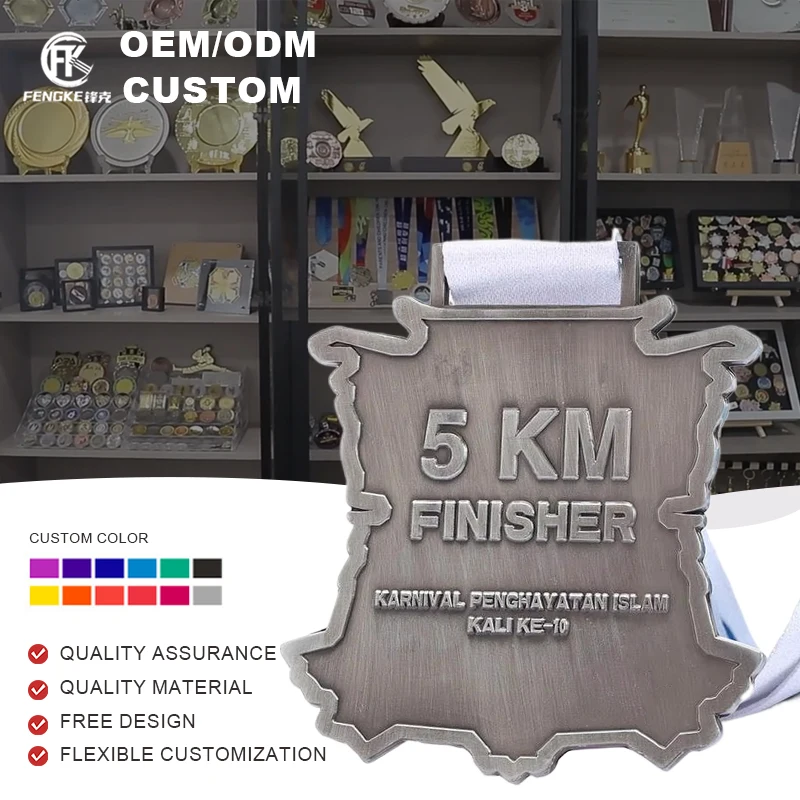
The art of matching team spirit with stylistic excellence in football medals demands expertise in understanding how visual elements translate emotional connections into tangible awards. Modern customization techniques allow for unprecedented flexibility in creating unique football medals that capture everything from grassroots youth league enthusiasm to professional tournament prestige. This comprehensive approach ensures that each medal becomes a lasting symbol of achievement that players will treasure for years to come.
Understanding Team Identity Elements for Football Medal Design
Analyzing Core Team Values and Mission
The foundation of effective football medals customization lies in thoroughly understanding your team's core values, mission statement, and cultural identity. These fundamental elements should directly influence design decisions, from color schemes to symbolic imagery. Teams focused on youth development might emphasize growth and learning motifs, while competitive leagues may prioritize achievement and excellence themes. Professional football medals often incorporate heritage elements that reflect the organization's history and traditions, creating deeper emotional connections with recipients.
Successful customization begins with comprehensive discussions between design teams and football organizations to identify key messaging priorities. This collaborative approach ensures that football medals accurately represent the team's character and values. Design elements should reflect whether the organization prioritizes teamwork, individual excellence, community service, or competitive achievement, with each focus area requiring different visual approaches and symbolic representations.
Incorporating Visual Brand Elements
Team logos, mascots, and established color palettes serve as primary visual anchors for football medals customization. These elements must be adapted thoughtfully to work effectively within the constraints of medal design, considering factors like size limitations, production techniques, and visual clarity. Successful integration requires understanding how complex logos translate to smaller formats while maintaining recognizability and impact.
Typography choices for team names, player names, and achievement descriptions should align with existing brand guidelines while ensuring readability across different medal sizes. Football medals benefit from consistent font families that complement the overall team aesthetic, whether that involves modern sans-serif styles for contemporary organizations or traditional serif fonts for teams with historical significance. Color coordination between medals and team uniforms creates cohesive visual experiences that strengthen brand recognition and team pride.
Defining Achievement Levels and Categories
Different achievement levels require distinct design approaches within your football medals customization strategy. Championship medals demand premium materials and elaborate designs that reflect the significance of the accomplishment, while participation awards might focus on encouragement and team membership themes. Tournament brackets, seasonal achievements, and special recognition categories each require tailored design elements that clearly communicate the nature and importance of the award.
Establishing clear visual hierarchies helps recipients and observers immediately understand the significance of different football medals within your program. This might involve varying ribbon colors, medal sizes, or decorative elements that indicate achievement levels. Consistent categorization systems across all team awards create professional presentation standards that enhance the perceived value and meaning of each recognition.
Design Techniques for Capturing Team Spirit
Color Psychology in Football Medal Design
Color selection plays a crucial role in football medals customization, with different hues evoking specific emotional responses and associations. Traditional team colors should form the foundation of your color palette, but understanding color psychology allows for strategic additions that enhance the medal's impact. Red conveys energy and passion, blue suggests reliability and trust, while gold and silver communicate achievement and prestige. Green might represent growth or field connections, depending on your team's context and symbolism.
Successful color combinations in football medals balance team identity with universal achievement associations. Metallic finishes add prestige and durability, while enamel accents provide opportunities for vibrant team color integration. Consider how colors will appear under different lighting conditions, especially during award ceremonies or display situations. The interplay between base metal tones and colorful accents creates visual depth that makes football medals more engaging and memorable.
Symbolic Elements and Imagery
Football-specific imagery forms the core of effective medal symbolism, with elements like footballs, goalposts, cleats, and field representations serving as immediately recognizable connections to the sport. However, successful football medals customization goes beyond obvious symbols to incorporate more nuanced representations of team spirit and achievement. Victory laurels, stars, shields, and geometric patterns can add sophistication while maintaining clear sport associations.
Team-specific symbols might include geographic landmarks, local wildlife, or historical references that create unique identity connections. These personalized elements make football medals more meaningful to recipients and help distinguish your awards from generic alternatives. The integration of multiple symbolic layers creates rich visual narratives that reward closer examination while remaining instantly recognizable from a distance.
Typography and Text Integration
Text elements on football medals must balance informational content with design aesthetics, ensuring critical information remains legible while contributing to overall visual appeal. Player names, team names, achievement descriptions, and dates require careful sizing and placement to maintain hierarchy and readability. Font selection should reflect team personality, whether that involves bold, aggressive styles for competitive teams or flowing, elegant scripts for organizations emphasizing sportsmanship and grace.
Effective text integration in football medals customization considers how words interact with symbolic elements and decorative features. Curved text following medal contours can create dynamic visual flow, while strategic use of negative space ensures text remains prominent without overwhelming other design elements. Multi-language requirements for international teams add complexity that requires expert layout planning to maintain design balance and clarity.
Material Selection and Manufacturing Considerations
Choosing Appropriate Base Materials
Material selection significantly impacts both the appearance and perceived value of football medals, with options ranging from economical zinc alloy to premium gold and silver metals. Zinc alloy provides excellent detail reproduction at affordable price points, making it ideal for large-scale programs or youth leagues with budget constraints. Brass offers warm, traditional aesthetics that work well for heritage-focused teams, while pewter provides distinctive gray tones that complement modern design approaches.
Premium materials like bronze, silver, and gold are reserved for the most significant achievements, creating clear value distinctions within medal programs. The weight and feel of different materials contribute to recipient satisfaction and perceived worth. Football medals made from heavier materials feel more substantial and valuable, while lighter options may be more practical for young players or large distribution events. Durability considerations ensure medals maintain their appearance through years of handling and display.
Surface Finishing Techniques
Surface finishes dramatically affect the visual impact and longevity of football medals, with options including polished, matte, antique, and textured treatments. Polished finishes create mirror-like surfaces that reflect light dramatically, making medals appear more prestigious and eye-catching. Matte finishes provide subtle, sophisticated appearances that work well for modern design aesthetics and reduce fingerprint visibility during handling.
Antique finishes add character and depth to football medals by highlighting raised elements while creating shadowed recesses that enhance detail visibility. This technique works particularly well for traditional designs or teams with historical significance. Textured surfaces can simulate various materials or add tactile interest that makes medals more engaging to handle. Combining multiple finish techniques on single medals creates sophisticated layered effects that enhance visual complexity and appeal.
Color Application Methods
Color application techniques for football medals range from simple paint fills to sophisticated enamel processes that create durable, vibrant results. Soft enamel provides cost-effective color integration with slightly recessed color areas that create subtle texture variations. Hard enamel creates perfectly smooth surfaces with colors that match the height of raised metal elements, resulting in premium appearance and exceptional durability.
Screen printing allows for detailed color graphics and photographic reproductions on football medals, though it may be less durable than enamel alternatives. Epoxy coating can protect printed elements while adding glossy finishes that enhance color vibrancy. The choice between color application methods depends on budget considerations, durability requirements, and desired aesthetic effects. Professional consultation helps determine the most appropriate technique for specific football medals customization projects.
Personalization Strategies for Maximum Impact
Individual Player Recognition Elements
Personalized football medals create stronger emotional connections by acknowledging individual contributions within team contexts. Player names, jersey numbers, and specific achievements can be incorporated through engraving, embossing, or printed elements that make each medal unique. Position-specific recognition, such as different symbols for offense, defense, and special teams, adds relevance that makes awards more meaningful to recipients.
Statistical achievements, personal bests, or milestone recognitions can be integrated into football medals customization for players who reach specific performance benchmarks. This approach works particularly well for youth programs where individual development is prioritized alongside team success. Photo integration techniques allow for player portraits or action shots to be incorporated into medal designs, creating truly personalized keepsakes that families will treasure.
Seasonal and Event-Specific Customization
Different seasons, tournaments, and special events require adapted approaches to football medals customization that reflect the unique character of each occasion. Championship medals might incorporate trophy imagery and victory themes, while end-of-season awards could emphasize growth, teamwork, and participation. Holiday tournaments might include seasonal elements, while memorial games require respectful tribute incorporation.
Weather and venue considerations can influence design choices, with outdoor ceremonies requiring medals that photograph well in natural lighting while indoor events might benefit from designs optimized for stage lighting. Anniversary celebrations call for historical elements and timeline references that connect current achievements with organizational heritage. Football medals for international tournaments might incorporate cultural elements that honor host locations or participating regions.
Technology Integration Opportunities
Modern football medals can incorporate technological elements that extend their functionality beyond traditional recognition. QR codes can link to digital highlights, team photos, or achievement databases that provide extended context for awards. Near-field communication (NFC) chips embedded in medals can trigger smartphone interactions that display videos, statistics, or social media integration opportunities.
Augmented reality applications can bring static football medals to life through smartphone cameras, displaying 3D animations, player statistics, or team information when medals are viewed through dedicated apps. These technological integrations appeal to younger players while creating shareable digital experiences that extend the medal's impact beyond the physical award. However, technology integration must be balanced with traditional medal aesthetics to ensure broad appeal across different age groups and preferences.
FAQ
How long does the customization process typically take for football medals?
The football medals customization timeline varies depending on design complexity, quantity, and manufacturing requirements, typically ranging from 2-4 weeks for standard designs to 6-8 weeks for complex custom creations. Initial design consultation and approval phases usually require 3-5 business days, while production time depends on chosen materials and finishing techniques. Rush orders can sometimes be accommodated with expedited fees, but quality results generally require adequate planning time.
What minimum quantities are required for custom football medals orders?
Most manufacturers require minimum orders of 25-50 pieces for basic football medals customization, with larger minimums (100-500 pieces) for complex designs involving multiple colors or premium materials. Smaller quantities may be available at higher per-unit costs, while larger orders typically offer significant volume discounts. Some suppliers offer sample programs that allow for single-piece prototyping before committing to full production runs.
Can existing team logos be incorporated into football medal designs?
Existing team logos can definitely be incorporated into football medals designs, though complex logos may require simplification to work effectively at medal scale. Vector graphics provide the best results for logo reproduction, while low-resolution images may need professional redrawing. Copyright considerations require verification of logo usage rights, especially for licensed team marks or trademarked designs that may require permission for reproduction.
What factors most significantly impact football medals pricing?
Material selection, design complexity, and order quantity are the primary factors affecting football medals pricing. Premium materials like bronze or silver significantly increase costs compared to zinc alloy alternatives. Multiple colors, intricate details, and special finishing techniques add manufacturing complexity that raises per-unit prices. Larger orders benefit from economies of scale, while small quantities carry higher setup cost allocations per medal.