
 EN
EN
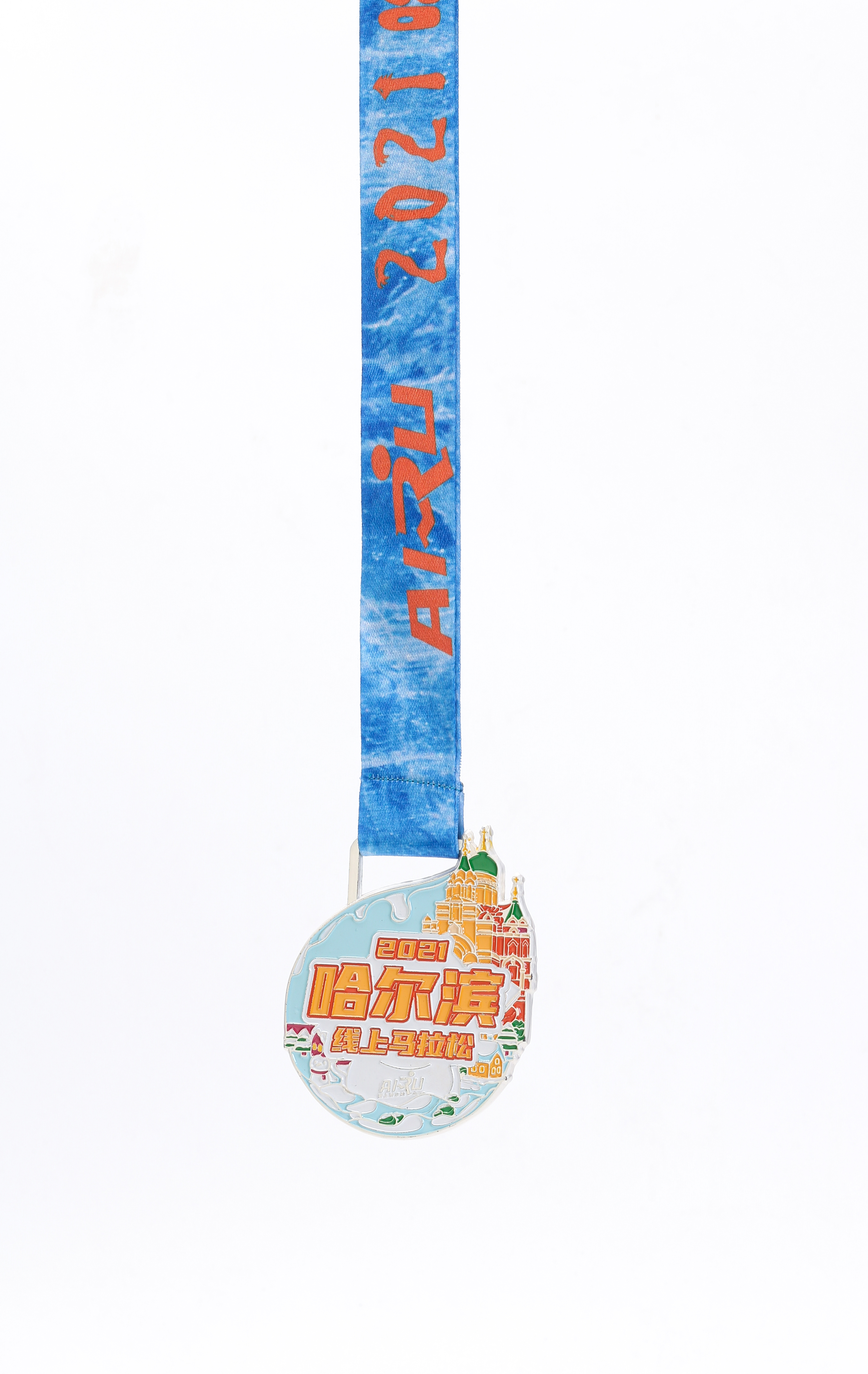
A marathon medal is far more than a decorative piece of metal. It represents a physical, emotional, and psychological reward that speaks directly to the runner who earned it. Whether someone crosses the finish line after four hours or fourteen, the moment that marathon medal is placed around their neck carries a meaning that training logs and timing chips simply cannot replicate. Understanding how this small object drives motivation across entirely different levels of participation reveals why race organizers invest so heavily in medal design and why runners talk about their marathon medal long after race day.
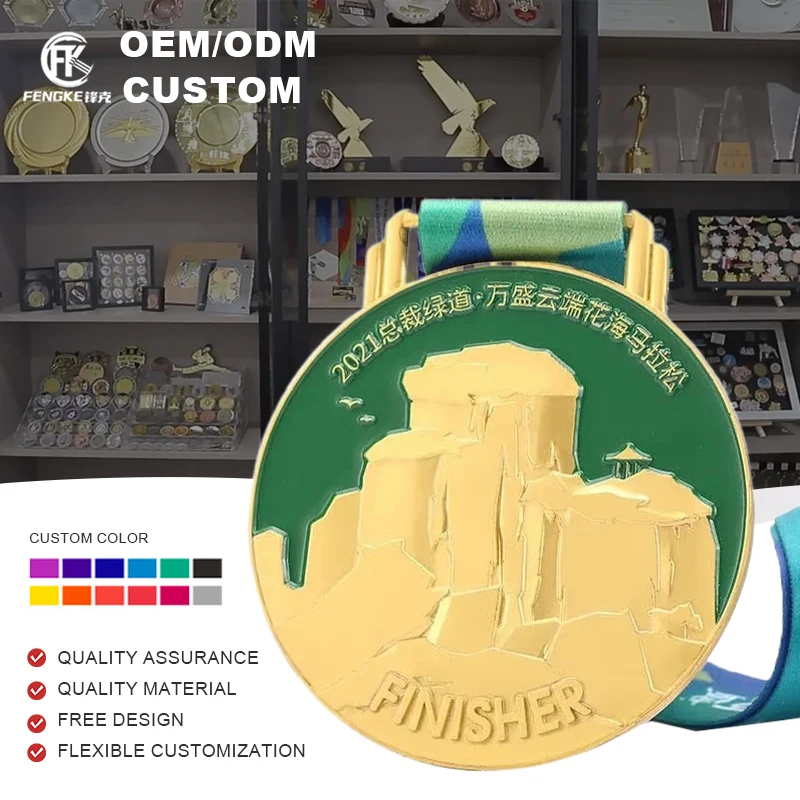
The motivational power of a marathon medal operates at multiple levels simultaneously. It functions as a goal anchor during training, a reward trigger at the finish line, and a long-term memory object on display at home. Across beginner runners, recreational athletes, and competitive participants, the marathon medal fulfills different psychological needs but consistently produces one shared outcome: it makes people want to run again. This article examines exactly how that motivational mechanism works at each level and what makes a marathon medal such an effective tool for sustaining participation in distance running.
The Marathon Medal as a Goal-Setting Anchor
Visualizing the Finish Before the Race Begins
For beginner and first-time participants, the marathon medal serves as a concrete visual goal before training even starts. When registration opens, many events display the medal design alongside entry details. This preview turns an abstract ambition into a tangible object. The runner begins to associate the marathon medal with a specific achievement, and that association becomes a recurring motivational trigger during long training runs when fatigue sets in and progress feels invisible.
Research in behavioral psychology consistently shows that tangible, symbolic rewards increase goal persistence. A marathon medal functions exactly this way. It gives a first-time runner something to picture when the training plan feels overwhelming. The marathon medal is not just a prize; it is the finish line made visible before the race even begins. That visibility matters enormously to participants who have never experienced a race finish and need a concrete symbol to orient their effort.
Sustaining Commitment Through Long Training Cycles
Marathon training typically spans sixteen to twenty weeks. During that window, motivation naturally fluctuates. The marathon medal acts as a reference point during those fluctuations. Recreational runners who have previously earned a marathon medal from another event often display it where they will see it during morning routines. That visual reminder reinforces the commitment to earn the next marathon medal. It is a self-reinforcing motivational loop that the medal itself generates without any external coaching required.
How the Marathon Medal Affects Finish Line Experience
The Emotional Reward at the Moment of Completion
The finish line ceremony is the most emotionally charged moment in any distance race. When a volunteer places a marathon medal around a finisher's neck, the gesture is deliberately ceremonial. It mirrors traditions from the Olympic Games and signals to the runner that their effort has been formally recognized. This recognition moment is particularly powerful for participants who are not competing for podium positions. For the vast majority of marathon runners, the marathon medal is the only physical confirmation they receive that their performance was meaningful and complete.
The weight, size, and design of the marathon medal amplify this emotional response. A heavy, well-crafted marathon medal communicates that the achievement it represents is substantial. Runners frequently describe the feeling of receiving a marathon medal as one of the most memorable moments of their athletic lives. That emotional peak creates a strong desire to repeat the experience, which directly drives future race registrations. Race organizers who underinvest in marathon medal quality often report lower repeat participation rates, while those who treat the marathon medal as a premium experience see stronger year-over-year registration numbers.
Social Sharing and Community Recognition
The marathon medal has also become a social currency within the running community. Finishers photograph their marathon medal and share it across social platforms immediately after completing a race. This behavior extends the motivational value of the marathon medal beyond the individual runner to their entire social network. Friends, family, and fellow runners respond to these posts with recognition and encouragement, reinforcing the runner's sense of accomplishment. For newer participants especially, this public acknowledgment tied to the marathon medal can be more motivating than the race time itself.
Long-Term Motivation and the Role of the Marathon Medal Collection
The Marathon Medal as a Personal Progress Record
For runners who have completed multiple events, the marathon medal collection becomes a personal archive of athletic history. Each marathon medal marks a specific race, a specific training cycle, and a specific version of the runner who finished it. Competitive and experienced runners often organize their marathon medal displays chronologically, using each piece as a reference point for how their performance has evolved. This collection behavior turns the marathon medal into a long-term motivational system rather than a one-time reward.
The desire to add a new marathon medal to an existing collection is a well-documented driver of repeat race participation. Runners frequently register for events specifically because the marathon medal design is unique, themed, or particularly well-crafted. This means the marathon medal functions as both a retention tool and an acquisition tool for race organizers. A distinctive marathon medal drives word-of-mouth registration and gives experienced runners a reason to return to the same event year after year.
Motivation Across Elite and Non-Competitive Participants
Elite runners who finish near the top of the field compete for time, ranking, and prize money. Yet even at this level, the marathon medal retains value as a marker of completion and participation in a specific event. For elite athletes, a marathon medal from a prestigious event carries prestige within professional running circles. For recreational runners finishing in the middle or back of the pack, the same marathon medal carries a completely different but equally powerful meaning: proof that they belong to the same athletic community as the fastest finishers. This inclusive symbolism is one of the most powerful aspects of the marathon medal as a motivational object. It does not distinguish between fast and slow. Every finisher receives the same marathon medal, and that equality is intentional and deeply motivating.
FAQ
Why do runners value a marathon medal so much after completing a race?
A marathon medal represents months of training and a significant personal achievement. It is a tangible, permanent symbol of effort that runners can display and reference long after the race, making the emotional and physical investment feel recognized and rewarded.
Does the design quality of a marathon medal affect participant motivation?
Yes, significantly. A well-designed, high-quality marathon medal communicates that the organizing event values its participants. Runners are more likely to share, display, and talk about a marathon medal that feels substantial and unique, which increases both individual motivation and broader social visibility for the event.
How does a marathon medal motivate beginner runners differently than experienced ones?
For beginners, a marathon medal primarily functions as a goal anchor and a finish-line reward that confirms their first major achievement. For experienced runners, the marathon medal adds to a growing collection and serves as a progress record. Both uses are motivational, but the emotional drivers differ based on what stage of the running journey the participant is at.