
 EN
EN
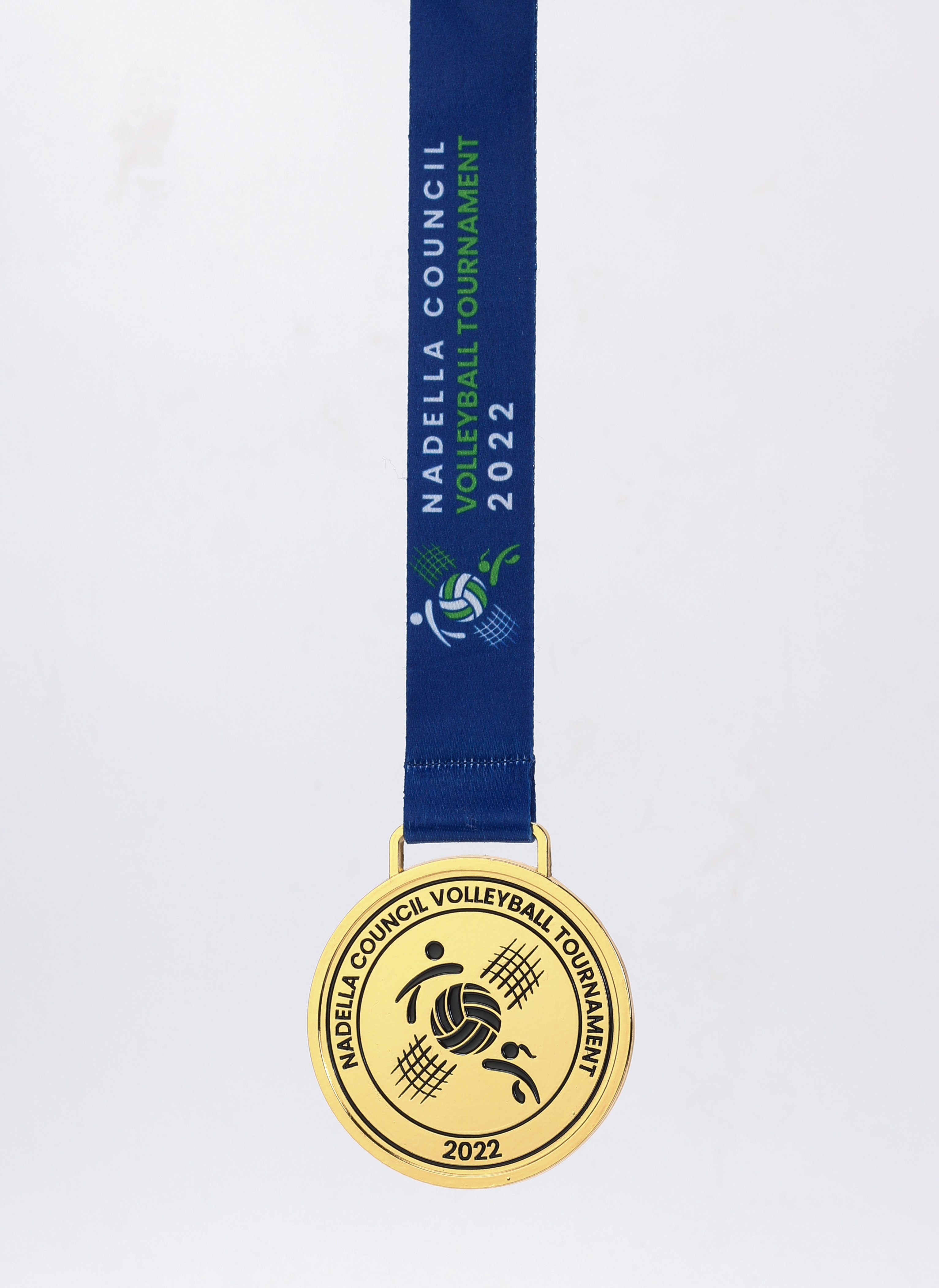
Selecting the right medal for international taekwondo tournaments requires careful consideration of quality standards, design authenticity, and competitive regulations. The medal you choose represents not just an award but embodies the prestige of your event and the achievement of athletes who compete at the highest level. Understanding how to evaluate medal quality ensures your tournament maintains its reputation while honoring champions with awards that reflect their dedication and skill.
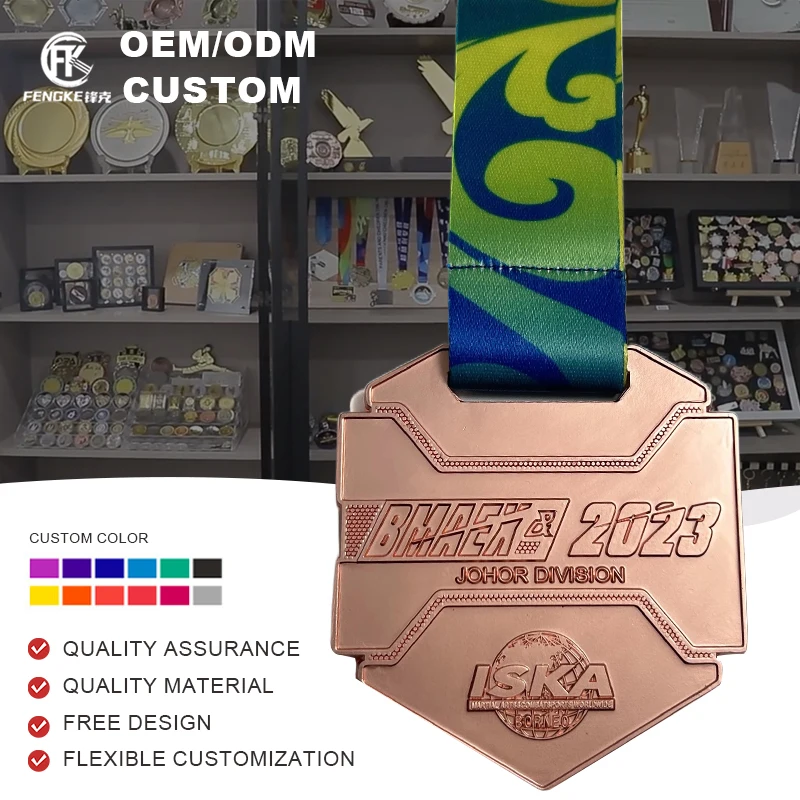
International taekwondo competitions demand medals that meet specific criteria for weight, material composition, finish durability, and design accuracy. Every medal selected for such events must align with World Taekwondo Federation standards while offering visual appeal that motivates athletes and enhances the ceremonial experience. This comprehensive guide examines the critical factors tournament organizers must assess when choosing a medal supplier and evaluating product quality for international taekwondo events.
Material Quality and Composition Standards
Metal Selection for Tournament Medals
The base metal used in medal manufacturing directly impacts durability, appearance retention, and perceived value. Zinc alloy remains the most common choice for tournament medal production due to its excellent casting properties and cost efficiency. This metal allows for intricate design details while maintaining structural integrity throughout the medal lifespan. High-quality zinc alloy medals resist bending and breaking even when subjected to repeated handling during ceremonies and transport. The metal composition should contain appropriate zinc content balanced with aluminum and copper to ensure the medal maintains its shape and surface quality over time.
Bronze, brass, and copper alloys offer premium alternatives for championship medal tiers. These metals provide superior weight and a more traditional feel that athletes associate with prestigious awards. When selecting medal materials, verify that the supplier uses certified metal compositions rather than recycled or inferior alloys that may contain impurities. The medal surface should demonstrate uniform density without visible pores, air bubbles, or inconsistent texture that would indicate low-grade material or poor casting techniques.
Plating and Finish Durability
Surface plating determines how well the medal maintains its appearance through repeated contact and environmental exposure. Gold, silver, and bronze plating for medal awards must meet minimum thickness standards to prevent premature wear. Quality medal plating typically measures between 0.5 to 1.0 microns for standard awards and 1.5 to 3.0 microns for premium championship medals. This plating thickness ensures the medal retains its color and luster even after athletes wear, display, and handle the award for years.
Electroplating quality affects medal longevity more than any other surface treatment factor. The medal plating process should follow proper preparation steps including degreasing, acid cleaning, and copper strike layers before final gold or silver application. Test the medal finish by examining edge quality where plating thickness becomes most apparent. Inferior medal plating shows uneven color distribution, visible base metal at edges, or dull spots that indicate inadequate coverage. The medal surface should resist fingerprint marking and maintain reflective properties that enhance the award's visual impact during presentation ceremonies.
Design Authenticity and Technical Specifications
Taekwondo-Specific Design Elements
Authentic taekwondo medal design incorporates recognized martial arts symbols that connect the award to the sport's heritage and values. The medal face should feature clear representations of taekwondo techniques, the traditional dobok uniform, or Korean martial arts emblems that athletes immediately recognize. Design authenticity extends beyond visual appeal to include proper proportion, three-dimensional depth, and crisp detail rendering that distinguishes professional tournament medals from generic sports awards.
The medal diameter for international taekwondo competitions typically ranges from 60mm to 70mm, with 65mm representing the standard size most federations adopt. This medal size provides sufficient surface area for detailed artwork while remaining comfortable for athletes to wear during victory ceremonies. Medal thickness should measure between 3mm and 5mm to ensure the award has appropriate heft without becoming unwieldy. The medal weight influences perceived value, with quality tournament medals weighing between 40 to 60 grams depending on size and metal composition.
Relief Depth and Detail Precision
Three-dimensional relief work separates professional tournament medals from flat, low-quality alternatives. The medal design should exhibit multiple depth levels that create visual interest and tactile engagement. High-relief elements stand 2mm to 4mm above the medal base, while recessed areas provide contrast that enhances overall composition. This dimensional quality requires precise mold engineering and controlled casting pressure that only experienced medal manufacturers consistently achieve.
Detail sharpness reveals medal production quality more clearly than any specification sheet. Examine medal samples under magnification to assess line crispness, letter definition, and fine element reproduction. The medal edges should show clean separation between raised and recessed areas without gradual slopes that indicate worn molds or inadequate casting pressure. Text on the medal must remain perfectly legible at actual size, with letter heights meeting minimum readability standards for athlete names, tournament titles, and competition dates.
Supplier Qualification and Production Capability
Manufacturing Experience Assessment
The medal supplier's production history provides insight into their capability to meet international tournament requirements consistently. Established manufacturers with five or more years of medal production experience have refined processes that ensure quality consistency across large orders. Request portfolio examples showing medal projects similar in complexity and quantity to your tournament needs. The supplier should demonstrate experience producing medals for recognized martial arts federations, national championships, or international sporting events.
Production capacity determines whether the medal manufacturer can meet your tournament timeline without compromising quality. A qualified supplier maintains sufficient mold inventory, plating equipment, and finishing capabilities to handle orders ranging from 500 to 5000 medals within standard production windows. The medal production timeline typically requires 25 to 35 days from design approval to delivery, including mold creation, casting, plating, and quality inspection. Suppliers who promise unrealistic delivery schedules often cut corners that compromise medal quality or fail to deliver on time.
Quality Control and Testing Protocols
Systematic quality inspection ensures every medal meets specifications before shipment. The medal manufacturer should implement checkpoint inspections at casting, plating, and assembly stages rather than relying solely on final inspection. Request documentation of the supplier's quality control procedures including plating thickness testing, dimensional verification, and surface finish evaluation. Professional medal manufacturers use calibrated instruments to measure plating depth, verify weight consistency, and confirm that each medal matches approved samples.
The medal supplier should provide pre-production samples that allow you to assess quality before committing to full production. These samples must represent actual production methods rather than hand-finished prototypes that cannot be replicated at scale. Test the medal sample by handling it extensively, exposing it to moisture, and examining how the plating responds to normal wear conditions. The medal surface should resist tarnishing, maintain color uniformity, and show no plating separation or base metal exposure after reasonable handling simulation.
FAQ
What is the minimum order quantity for custom taekwondo medals?
Most professional medal manufacturers require minimum orders between 100 and 300 pieces for custom designs due to mold creation costs and production setup requirements. The medal unit cost decreases significantly at quantities above 500 pieces as fixed costs distribute across more units. For international tournaments, ordering 10 to 15 percent more medals than participant counts accommodates unexpected needs and provides backup inventory for damaged or lost awards during the event.
How long does medal production take for international tournaments?
Standard medal production requires 25 to 35 days from final design approval to delivery, including mold fabrication, casting, plating, ribbon attachment, and quality inspection. The medal manufacturing timeline extends by 5 to 10 days if custom packaging or individual engraving is required. Rush production may be available for premium fees but often compromises quality control thoroughness. Plan medal ordering at least 60 days before your tournament to allow time for sample approval, production, shipping, and contingency buffers.
Can medal designs incorporate specific tournament logos and branding?
Professional medal manufacturers accommodate custom logos, tournament names, dates, and organizational emblems within the design at no additional tooling cost beyond standard custom medal pricing. The medal artwork should integrate branding elements naturally while maintaining balanced composition and adequate relief depth for all design components. Provide vector format files of logos to ensure the medal engraving captures fine details accurately. Some suppliers offer complementary design services that adapt your branding into effective medal layouts optimized for casting and plating processes.