 EN
EN
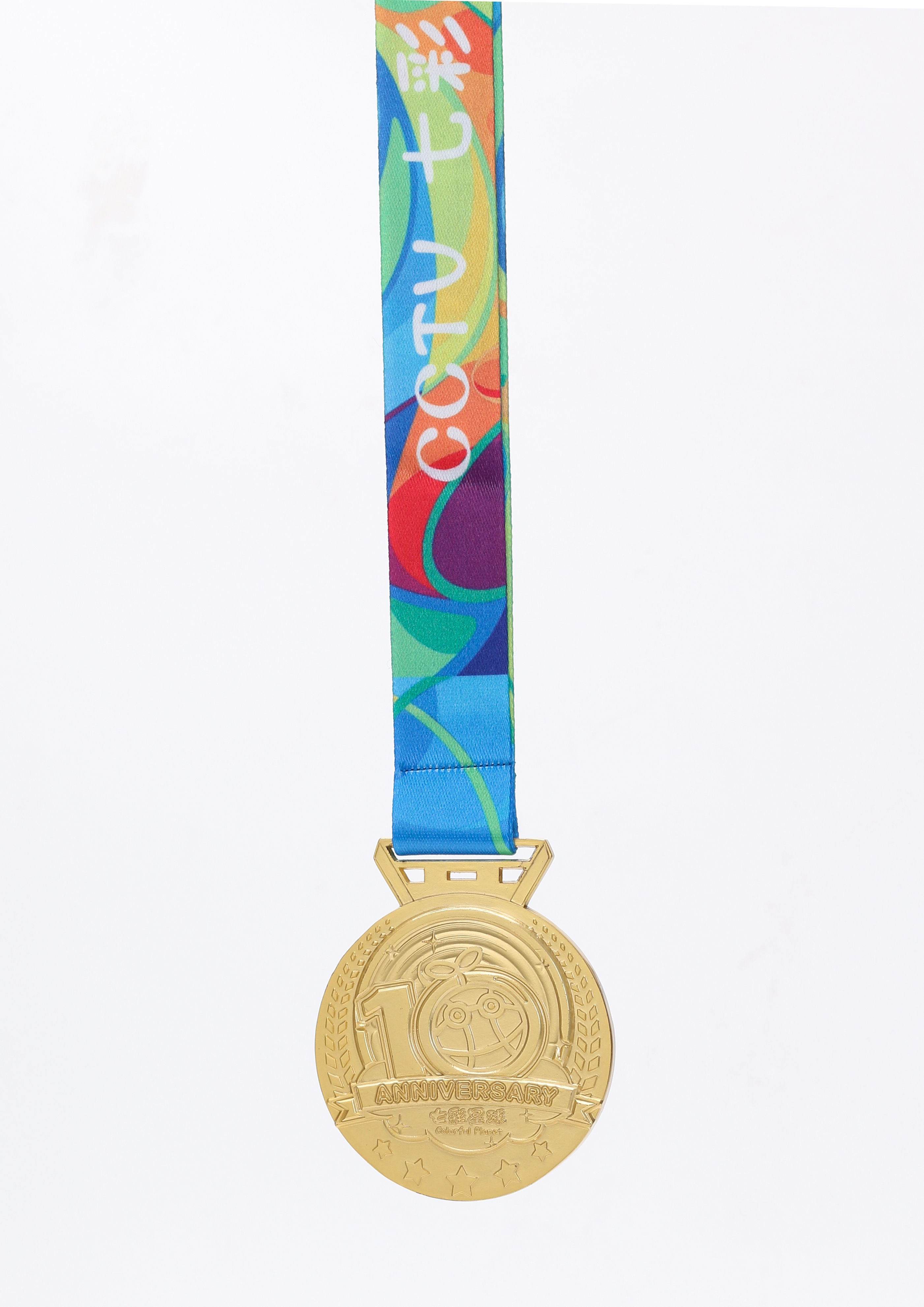
Athletes dedicate countless hours to perfecting their craft, and when they earn recognition for their achievements, the form that recognition takes matters profoundly. A personalized taekwondo medal represents far more than a piece of metal hanging from a ribbon. It embodies the journey, struggle, sacrifice, and triumph that define an athlete's experience in the martial arts discipline. The emotional weight carried by a customized medal transforms it from a simple award into a treasured artifact that athletes preserve for decades, revisiting the memories and feelings associated with their accomplishment whenever they hold it.
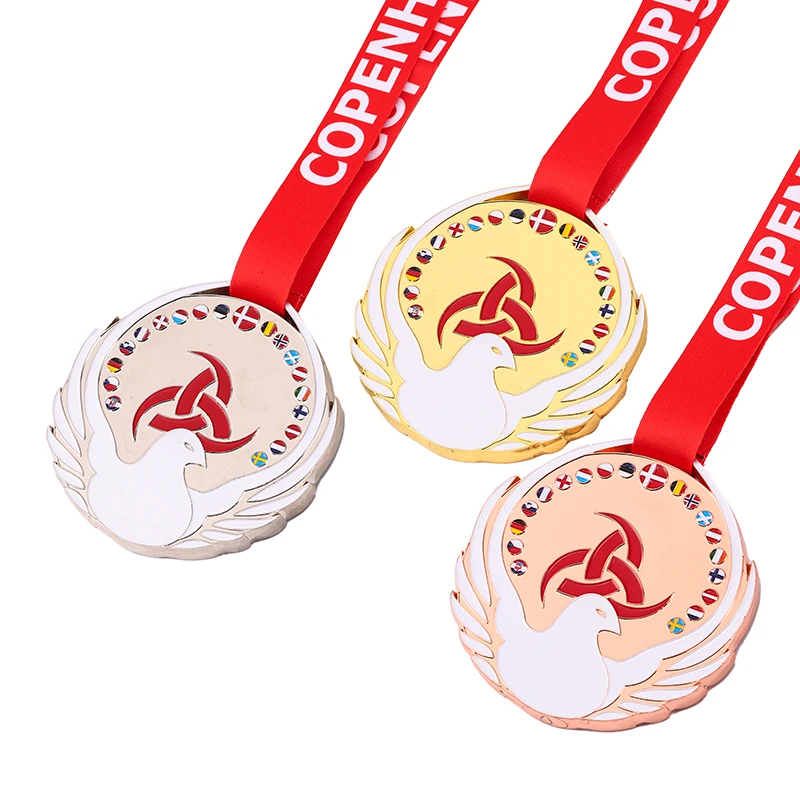
The distinction between a generic medal and a personalized one lies in the intimate connection forged between the athlete and the award itself. When a medal features the athlete's name, the specific competition details, the date of achievement, or unique design elements that reflect the event's character, it becomes irreplaceable. This personalization creates a psychological anchor that reinforces the athlete's sense of identity and accomplishment, making the medal an extension of their personal narrative rather than just another trophy in a collection.
The Psychological Impact of Personalized Recognition
Creating Emotional Bonds Through Customization
The human brain forms stronger memories when experiences carry personal significance. A personalized medal activates multiple memory systems simultaneously, linking visual details, emotional states, and autobiographical information. When an athlete receives a medal engraved with their name and competition specifics, they create a multisensory memory anchor. Years later, holding that medal instantly transports them back to the moment of victory, rekindling the pride, relief, and joy they felt on the podium. This phenomenon occurs because the personalized medal serves as a tangible trigger for episodic memory retrieval.
Generic medals lack this powerful association because they fail to establish a unique connection between the object and the individual's personal story. A standard medal might represent an achievement, but a personalized medal represents that specific athlete's achievement on that particular day, making the distinction psychologically profound. The customization transforms the medal from a symbol of general success into a symbol of individual identity and personal growth.
Reinforcing Achievement Through Tangible Validation
Athletes often face internal doubts about their abilities, particularly during challenging training periods or after setbacks. A personalized medal provides concrete, permanent evidence of past success that athletes can revisit during moments of uncertainty. Unlike digital certificates or social media recognition that can feel ephemeral, a physical medal offers tactile reassurance. The weight of the metal, the texture of the engraving, and the visual details combine to create a sensory experience that validates the athlete's competence and progress.
This validation becomes particularly meaningful in taekwondo, where practitioners advance through belt systems and competitive tiers over many years. Each personalized medal marks a specific milestone in that progression, creating a chronological record of development. Athletes can arrange their medals sequentially, observing their journey from novice competitor to advanced practitioner. This visual timeline reinforces the concept of growth mindset, reminding athletes that their current abilities result from sustained effort rather than innate talent alone.
The Motivational Power of Customized Awards
Driving Future Performance Through Past Recognition
Sports psychology research demonstrates that recognition influences future motivation when it feels personal and meaningful. A personalized medal creates what behavioral scientists call a 'motivational artifact,' an object that athletes can reference to remind themselves of their capabilities during difficult training sessions or before important competitions. When athletes feel their determination wavering, they can physically hold their personalized medal, reconnecting with the feelings and mindset that led to their previous success.
The specificity of personalization enhances this effect by making the medal's message unmistakable. An engraved medal that reads 'Sarah Chen, First Place, State Taekwondo Championship, Lightweight Division, March 2024' provides multiple reinforcement points. The athlete's name establishes personal ownership, the placement confirms achievement level, the competition name provides context, the division acknowledges the specific challenge overcome, and the date creates a permanent historical record. Each element contributes to the medal's motivational power by making the recognition comprehensive and undeniable.
Building Competitive Identity and Self-Concept
Athletes develop their competitive identity through accumulated experiences and the recognition they receive for their performance. Each personalized medal contributes to how athletes perceive themselves within their sport. A taekwondo practitioner who displays multiple personalized medals begins to internalize the identity of 'accomplished competitor' or 'dedicated martial artist.' This self-concept influences behavior in profound ways, affecting training consistency, willingness to accept challenges, and resilience during setbacks.
The collection of personalized medals serves as external validation that supports internal identity formation. Young athletes especially benefit from this reinforcement as they develop their sense of self during formative years. When a teenage taekwondo student sees their name engraved on multiple medals earned over several years, they receive consistent messaging that they are capable, dedicated, and successful. This repeated reinforcement helps cement a positive athletic identity that often extends into other life domains, influencing academic persistence, career ambition, and general self-efficacy.
The Social and Community Dimensions of Personalized Awards
Facilitating Recognition Within Training Communities
Taekwondo training occurs within tight-knit communities where instructors, training partners, and fellow competitors form important social networks. When athletes receive personalized medals, these awards become conversation pieces that facilitate social bonding and shared celebration. Training partners can reference specific medals when offering encouragement, reminding athletes of past achievements during challenging moments. Instructors can point to personalized medals as evidence of proven methods and successful training approaches, validating their coaching philosophy.
The social dimension extends to families as well. Parents, siblings, and other family members take pride in personalized medals because the customization makes the achievement feel more real and significant. A medal engraved with a loved one's name transforms from an abstract symbol into a specific testament to that individual's dedication. Families often display personalized medals prominently in homes, creating visible reminders of achievement that generate ongoing recognition and reinforce family narratives about hard work, perseverance, and success.
Preserving Competitive History and Legacy
Personalized medals create permanent records of competitive achievement that transcend individual memory. As athletes progress through their careers, their collection of personalized medals documents their journey in ways that statistics and rankings cannot capture. Decades after competition, athletes can share their personalized medals with students, children, or grandchildren, using the physical artifacts to tell stories about their experiences, lessons learned, and obstacles overcome.
This legacy function becomes particularly meaningful for athletes who transition into coaching or leadership roles within taekwondo communities. A coach who can display their own collection of personalized medals gains credibility with students, demonstrating that they personally understand the competitive experience. The specificity of personalization makes these legacy medals more impactful than generic awards because they provide concrete details that make stories more vivid and relatable. A coach can reference their 'Regional Championship medal from 1998' with precise details about the competition, their preparation, and the lessons that experience taught them.
FAQ
How does medal personalization affect long-term athlete motivation?
Personalized medal recognition creates lasting motivational effects by establishing tangible connections between effort and achievement. The customized details on a medal serve as permanent reminders of success that athletes can reference during challenging periods. Research in sports psychology indicates that physical artifacts with personal significance maintain motivational potency far longer than generic recognition because they activate episodic memory systems that link the medal to specific experiences, emotions, and personal growth moments. Athletes report that personalized medals remain meaningful decades after competition, continuing to influence their self-concept and willingness to pursue challenging goals in various life domains.
What specific personalization elements make a medal most meaningful to taekwondo athletes?
The most impactful medal personalization includes the athlete's name, specific competition or event title, placement or achievement level, competition date, and relevant division or category details. Taekwondo athletes particularly value medals that reference their belt level or weight class at the time of competition, as these details situate the achievement within their developmental journey. Additional elements like tournament location, technique categories, or unique design elements reflecting taekwondo symbolism enhance the medal's personal significance. The comprehensiveness of personalization directly correlates with the medal's emotional impact and long-term preservation value for athletes.
Do personalized medals influence competitive performance in subsequent competitions?
Evidence from athlete interviews and performance psychology research suggests that personalized medal recognition positively influences subsequent competitive performance through multiple mechanisms. First, personalized medals strengthen competitive identity, helping athletes internalize success as part of their self-concept. Second, these medals provide concrete evidence of capability that athletes can reference to combat pre-competition anxiety and self-doubt. Third, the desire to earn additional personalized medals creates specific, tangible goals that enhance training motivation and consistency. Athletes with collections of personalized medals report higher confidence levels before competitions and demonstrate greater resilience after poor performances, as their medal collections remind them that setbacks are temporary within a broader pattern of achievement and growth.