 EN
EN
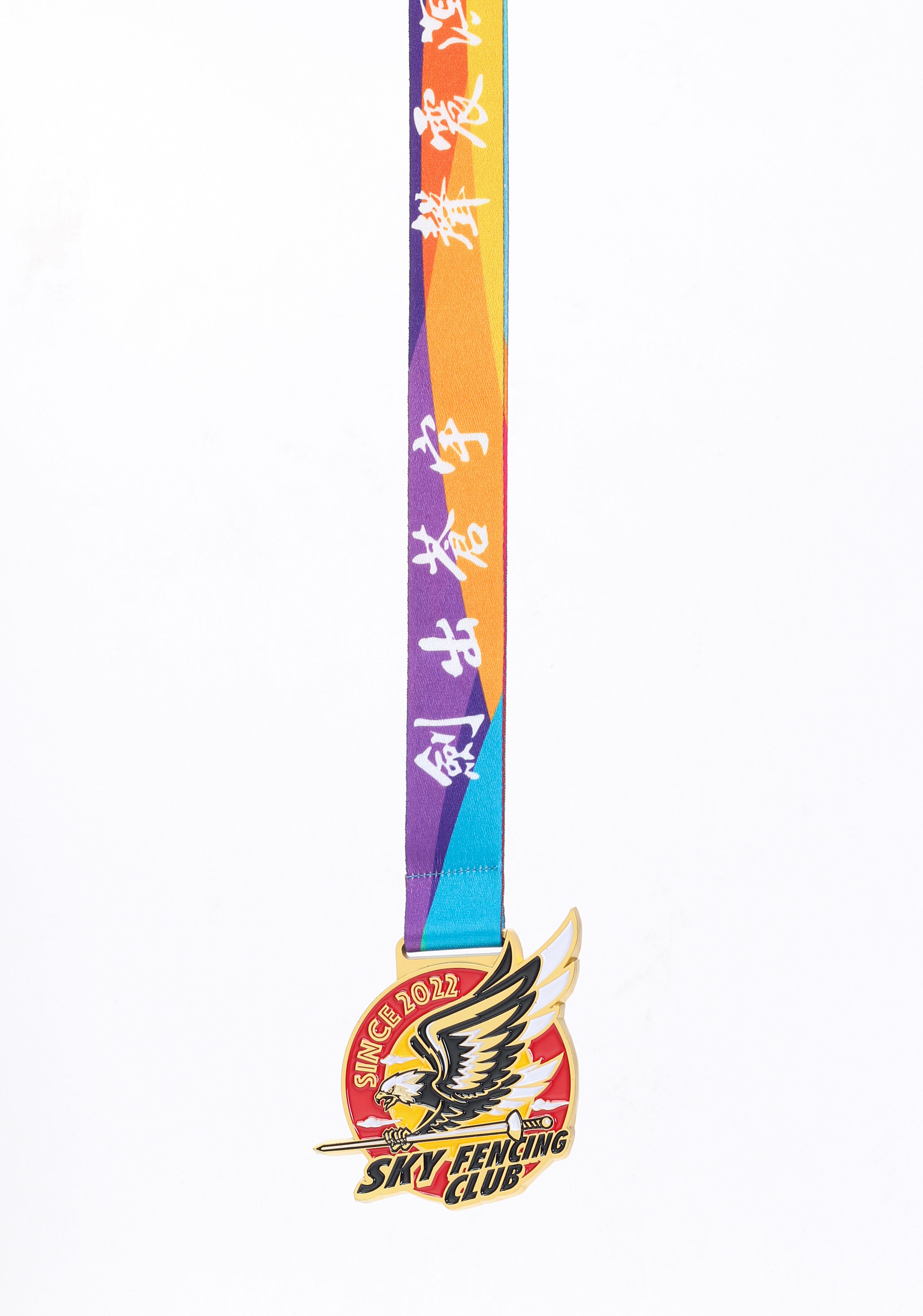
Creating meaningful sport medals requires a deep understanding of what drives athletic achievement and recognition. Athletes invest countless hours training, competing, and pushing their physical and mental limits to reach their goals. When they receive sport medals as recognition for their efforts, these awards become tangible symbols of their dedication and success. The design process behind effective sport medals must consider both aesthetic appeal and emotional significance to create awards that athletes will treasure throughout their lives.
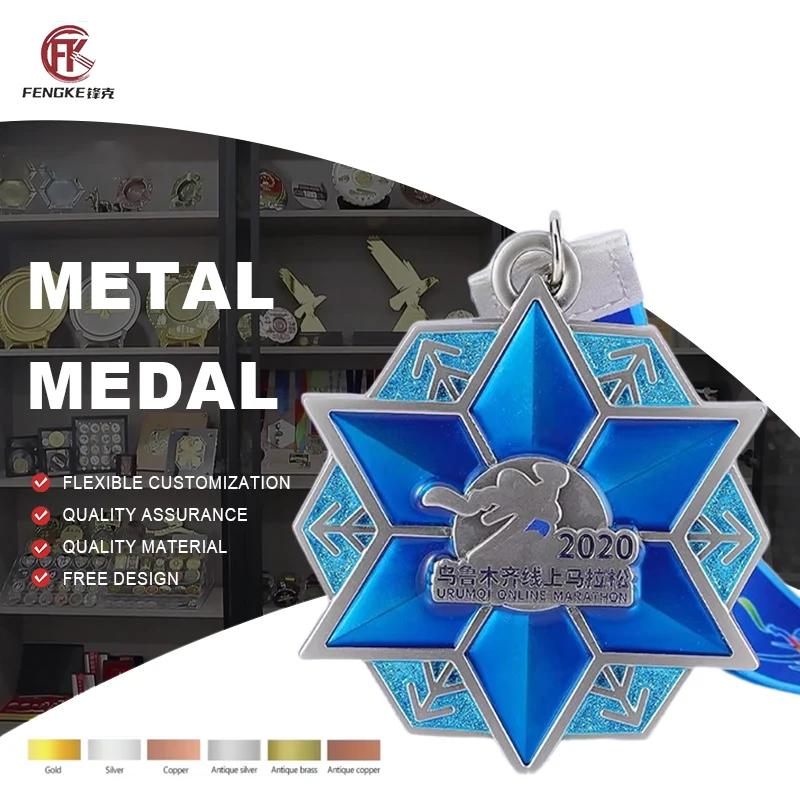
The psychology behind athletic recognition runs deeper than simple acknowledgment of performance. Sport medals serve as physical manifestations of achievement that athletes can hold, display, and share with others. These awards become conversation starters, memory triggers, and sources of motivation for future endeavors. Understanding this emotional connection is crucial when designing sport medals that will truly resonate with recipients and maintain their significance over time.
Understanding Athletic Achievement Psychology
The Emotional Connection to Recognition
Athletes form deep emotional bonds with their achievements, and sport medals become physical representations of their journey. The weight, texture, and visual appeal of these awards contribute significantly to their perceived value. When athletes hold well-designed sport medals, they experience a tactile connection to their accomplishment that reinforces the significance of their achievement. This connection extends beyond the moment of receiving the award, as athletes often display these medals in their homes, offices, or training facilities as ongoing sources of motivation.
The design elements that create this emotional connection include careful consideration of materials, proportions, and symbolic elements. Sport medals that feel substantial in weight convey importance and permanence, while those that appear cheaply made may diminish the athlete's sense of achievement. The visual hierarchy of design elements should clearly communicate the specific achievement being recognized, whether it represents a championship victory, participation in a significant event, or reaching a personal milestone.
Memory Formation and Lasting Impact
Research in sports psychology demonstrates that physical awards like sport medals play crucial roles in memory formation and recall of athletic achievements. The specific design elements incorporated into these awards can trigger detailed memories of training sessions, competition moments, and the emotions experienced during peak performance. Effective sport medals serve as memory anchors that help athletes recall not just the outcome of their efforts, but the entire journey that led to their recognition.
The lasting impact of well-designed sport medals extends throughout an athlete's career and beyond. Many former athletes report that looking at their collection of awards helps them remember specific competitions, teammates, coaches, and personal growth moments. This memory-preserving function makes the design process particularly important, as these awards may be cherished for decades after the athletic achievements they represent.
Essential Design Elements for Meaningful Awards
Visual Hierarchy and Symbolic Representation
Effective sport medals require careful attention to visual hierarchy that guides the viewer's eye through the most important design elements. The primary focus should typically be the sport or achievement being recognized, followed by secondary elements like event names, dates, and decorative features. This hierarchy ensures that the core message of the award remains clear while supporting elements enhance rather than compete with the main design. Visual balance becomes particularly important when incorporating multiple design elements into limited medal surface area.
Symbolic representation within sport medals should connect directly to the athletic discipline or achievement being recognized. Generic designs may feel impersonal to recipients, while sport-specific imagery creates immediate recognition and relevance. The challenge lies in creating symbols that are both instantly recognizable and aesthetically pleasing within the overall design composition. Successful sport medals often incorporate stylized representations of equipment, movements, or venues associated with the specific athletic achievement.
Material Selection and Quality Considerations
The materials chosen for sport medals significantly impact both their perceived value and longevity. Traditional materials like bronze, silver, and gold remain popular choices due to their historical associations with athletic achievement and their ability to maintain appearance over time. However, modern manufacturing techniques allow for innovative material combinations that can reduce costs while maintaining quality appearance. The key is selecting materials that feel substantial and appropriate for the level of achievement being recognized.
Quality considerations extend beyond material selection to include manufacturing precision, finish consistency, and durability. Sport medals that show wear or damage quickly after presentation diminish the long-term value of the recognition they represent. Investment in quality manufacturing processes ensures that these awards maintain their appearance and significance throughout years of handling and display.
Personalization Strategies That Increase Value
Individual Achievement Recognition
Personalization transforms generic sport medals into unique recognition pieces that speak directly to individual athletes. The most effective personalization strategies go beyond simply adding names and dates to include specific achievement details that make each award distinctive. This might include personal records achieved, ranking positions earned, or significant milestones reached during the recognized performance. Such detailed personalization makes sport medals feel custom-created for each recipient rather than mass-produced awards.
Advanced personalization techniques can incorporate athlete-specific design elements such as their preferred number, team colors, or even stylized representations of their particular athletic technique or style. These personal touches require more sophisticated design and manufacturing processes but create substantially higher perceived value among recipients. The goal is making each athlete feel that their sport medals were created specifically to honor their unique contribution and achievement.
Event-Specific Customization
Event-specific customization involves incorporating unique elements that connect sport medals directly to particular competitions or venues. This might include incorporating recognizable landmarks, event logos, weather conditions, or other memorable aspects of the specific competition. Such customization helps athletes remember not just their achievement but the entire context surrounding their performance. Event-specific sport medals become more than recognition awards; they become commemorative pieces that capture the complete experience.
Successful event customization requires collaboration between event organizers, athletes, and medal designers to identify the most meaningful elements to incorporate. The challenge is balancing event-specific details with timeless design principles that will remain relevant and appealing years after the competition. Effective customization creates sport medals that serve as conversation pieces and memory triggers throughout the athlete's lifetime.
Technical Considerations for Medal Production
Manufacturing Processes and Quality Control
The manufacturing processes used to create sport medals directly impact their final quality, appearance, and durability. Traditional casting methods offer excellent detail reproduction and material consistency, while modern techniques like 3D printing allow for more complex geometries and rapid prototyping. The choice of manufacturing method should align with the design complexity, quantity requirements, and budget constraints while maintaining appropriate quality standards for the recognition level being provided.
Quality control becomes particularly important when producing sport medals in large quantities for major events. Consistent finish quality, accurate reproduction of fine details, and proper material composition ensure that all recipients receive awards of equivalent value and appearance. Implementing rigorous quality control measures throughout the production process helps maintain the reputation and perceived value of sport medals programs over time.
Finishing Techniques and Surface Treatments
Surface finishing techniques significantly influence the final appearance and tactile experience of sport medals. Options range from high-polish mirror finishes that create dramatic light reflection to matte or textured surfaces that provide subtle sophistication. The choice of finish should complement the overall design concept while considering practical factors like fingerprint visibility and maintenance requirements. Effective finishing enhances the design elements while providing appropriate durability for long-term handling and display.
Advanced surface treatments can include selective plating, oxidation effects, or specialized coatings that add visual depth and interest to sport medals. These techniques allow designers to create multiple surface textures and colors within a single award, enhancing the visual impact without requiring multiple materials. The key is using finishing techniques purposefully to support the design concept rather than simply adding complexity for its own sake.
Color Psychology in Medal Design
Traditional Color Associations
Color choices in sport medals carry significant psychological weight and cultural associations that influence how athletes and observers perceive the awards. Traditional gold, silver, and bronze color schemes have established hierarchical meanings that are universally understood across cultures and sports. However, effective medal design can incorporate these traditional associations while adding unique elements that enhance visual appeal and personal significance. Understanding color psychology helps designers create sport medals that communicate appropriate messages about achievement levels and recognition purposes.
Beyond traditional metallic colors, sport medals can incorporate accent colors that connect to team identities, event themes, or cultural significance. These color additions should complement rather than compete with the primary medal colors while adding visual interest and personalization opportunities. The challenge lies in maintaining the dignified appearance expected of recognition awards while incorporating colors that enhance rather than diminish perceived value.
Cultural Considerations and Global Appeal
When designing sport medals for international competitions or diverse athlete populations, cultural color associations become important considerations. Colors that represent good fortune, success, or honor in one culture might have different meanings in another, making careful research essential for global medal programs. Successful international sport medals often rely on universally positive color associations while avoiding combinations that might be problematic in specific cultural contexts.
Creating culturally sensitive sport medals requires balancing universal appeal with respect for local traditions and preferences. This might involve incorporating culturally significant colors as accent elements or providing customization options that allow for regional adaptation while maintaining overall design cohesion. The goal is ensuring that all recipients feel appropriately honored regardless of their cultural background or personal associations with specific colors.
Size and Proportion Guidelines
Optimal Dimensions for Impact
The physical dimensions of sport medals significantly impact their perceived importance and practical usability. Medals that are too small may appear insignificant and fail to convey appropriate recognition value, while oversized awards become impractical for wearing or displaying. Industry standards have evolved to balance visual impact with practical considerations, typically ranging from 50mm to 80mm in diameter for most athletic recognition purposes. The specific size should reflect the significance of the achievement being recognized.
Proportion relationships between different design elements become critical as medal size changes. Text that appears appropriate on larger sport medals may become illegible when scaled down, while design elements that work well on smaller awards might appear overwhelming on larger pieces. Successful medal design requires careful consideration of how all elements will appear at the intended final size, often requiring multiple design iterations to achieve optimal visual balance.
Thickness and Weight Considerations
The thickness and resulting weight of sport medals contribute significantly to their perceived quality and value. Awards that feel substantial in hand convey importance and permanence, while those that seem lightweight may appear cheaply made regardless of their actual material composition. The challenge is achieving appropriate heft without making medals so heavy that they become uncomfortable to wear or display. Typical thickness ranges from 3mm to 6mm, depending on the medal size and intended use.
Weight distribution becomes particularly important for sport medals intended to be worn during ceremonies or celebrations. Uneven weight distribution can cause awards to hang awkwardly or become uncomfortable during extended wear. Careful attention to thickness variation and material distribution helps create sport medals that feel substantial while remaining practical for their intended use scenarios.
FAQ
What materials work best for creating durable sport medals
The most durable materials for sport medals include zinc alloy, brass, and stainless steel, which offer excellent longevity and resistance to tarnishing or corrosion. Zinc alloy provides the best balance of cost-effectiveness and durability, while brass offers superior weight and traditional appeal. For premium applications, precious metal plating over base metals combines durability with luxurious appearance. The key is selecting materials appropriate for the intended use and display conditions while maintaining quality standards that reflect the significance of the athletic achievement being recognized.
How can personalization be incorporated without increasing costs significantly
Cost-effective personalization strategies for sport medals include using laser engraving for names and dates, incorporating variable design elements during the casting process, and utilizing digital printing techniques for color customization. Batch production methods allow for multiple personalization options within single production runs, reducing per-unit costs. The most economical approach involves designing base medal templates that can accommodate various personalization elements without requiring complete redesign for each variation. Strategic use of removable or interchangeable elements can also provide personalization options while maintaining production efficiency.
What size medals are most appropriate for different types of athletic events
Medal size should correspond to the significance and prestige of the athletic event being recognized. Championship and major competition sport medals typically range from 70mm to 80mm in diameter to convey appropriate importance, while participation or achievement medals work well at 50mm to 60mm. Youth and recreational events often use smaller sizes around 45mm to 55mm for practical and cost considerations. The key is ensuring that medal size feels proportionate to the achievement level while remaining practical for the intended recipients and use scenarios.
How long does the typical medal design and production process take
The complete design and production timeline for sport medals typically ranges from 4 to 8 weeks, depending on design complexity, quantity requirements, and customization levels. Initial design development usually requires 1 to 2 weeks, followed by client review and revision cycles. Production setup and manufacturing generally take 2 to 4 weeks, with additional time needed for complex finishing techniques or extensive quality control requirements. Rush orders can sometimes be accommodated with expedited processing, but adequate planning time helps ensure optimal results and prevents compromise in design quality or production standards.