 EN
EN
The world of recognition awards has evolved dramatically over the past decade, with custom medals emerging as the preferred choice for organizations seeking to honor achievements in both corporate and athletic environments. Today's medal designers are pushing creative boundaries while maintaining the timeless appeal that makes these awards truly meaningful. From cutting-edge manufacturing techniques to innovative aesthetic approaches, the landscape of medal design continues to transform how we celebrate excellence and commemorate significant milestones.
Modern Aesthetic Approaches in Medal Design
Minimalist Design Philosophy
Contemporary custom medals increasingly embrace minimalist design principles, favoring clean lines and uncluttered surfaces over ornate decorative elements. This approach reflects broader design trends across industries, where simplicity communicates sophistication and timeless appeal. Designers are utilizing negative space effectively, creating visual impact through careful balance rather than overwhelming detail. The minimalist approach allows the core message and achievement being recognized to take center stage.
Modern manufacturing techniques enable precision in minimalist designs that would have been impossible with traditional methods. Laser etching and computer-controlled engraving allow for incredibly fine details within simplified overall compositions. This precision ensures that even the most understated custom medals maintain professional quality standards while conveying elegance and refinement.
Geometric and Abstract Elements
Geometric patterns and abstract design elements have gained significant popularity in recent medal designs, offering versatility across different award categories and organizational styles. These design approaches allow for symbolic representation without relying on literal imagery, making custom medals more universally appealing and meaningful. Angular compositions, flowing curves, and intersecting shapes create dynamic visual interest while maintaining professional appearance standards.
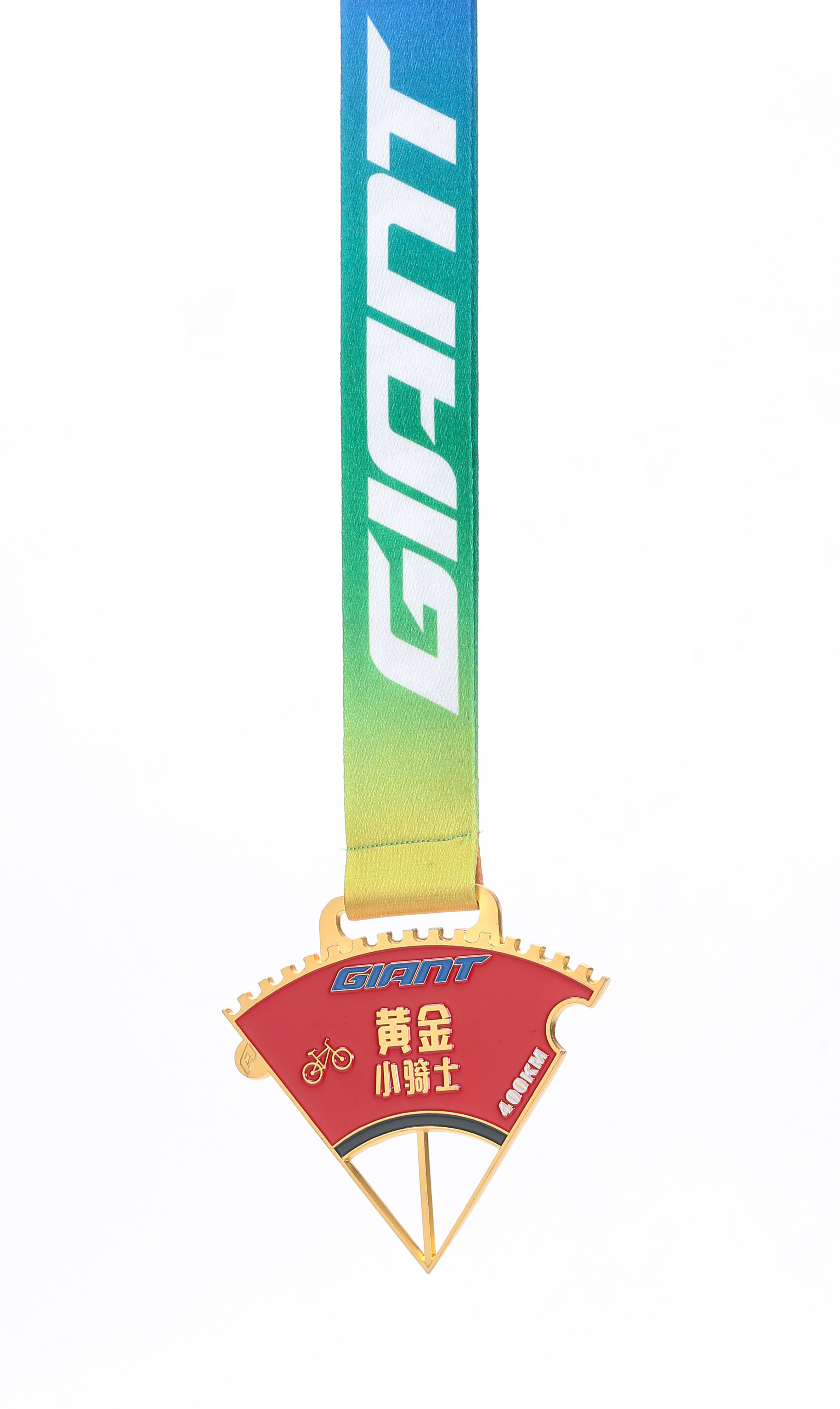
The geometric trend extends beyond surface decoration to include the overall shape and form of the medals themselves. Designers are experimenting with non-traditional silhouettes, creating custom medals that break away from conventional circular formats. Hexagonal, diamond-shaped, and even asymmetrical designs provide unique recognition pieces that stand out in any display or presentation context.
Material Innovation and Finishing Techniques
Advanced Metal Alloys and Combinations
The selection of materials for custom medals has expanded significantly, with designers now incorporating advanced alloys and metal combinations that offer enhanced durability and visual appeal. Beyond traditional gold, silver, and bronze finishes, contemporary medals feature materials like titanium, stainless steel, and specially treated aluminum that provide unique aesthetic qualities while maintaining long-term integrity.
Multi-metal construction techniques allow designers to create custom medals with contrasting elements, combining different materials within a single piece for dramatic effect. These approaches enable color variation, texture contrast, and dimensional depth that enhance the overall impact of the award. The technical capabilities of modern manufacturing make previously complex material combinations both feasible and cost-effective for various production volumes.
Surface Texturing and Finishing Options
Contemporary finishing techniques for custom medals include an impressive array of surface treatments that add tactile and visual interest to recognition awards. Sandblasting, brushed finishes, and chemical etching create subtle texture variations that catch light differently and provide sophisticated aesthetic effects. These surface treatments can be applied selectively, creating contrast between smooth and textured areas within the same medal design.
Advanced coating technologies enable designers to achieve unique color effects and protective finishes that extend the lifespan of custom medals while enhancing their appearance. Powder coating, anodizing, and specialized plating processes offer color options beyond traditional metallic finishes, allowing for brand color matching and creative expression that aligns with organizational identity or event themes.
Technology Integration in Medal Production
Digital Design and Prototyping
Digital design tools have revolutionized the development process for custom medals, enabling designers to create detailed visualizations and test concepts before committing to production. Computer-aided design software allows for precise control over every aspect of medal creation, from initial concept sketches to final production specifications. This technology reduces development time while ensuring accuracy in translating creative visions into tangible awards.
Three-dimensional printing technology enables rapid prototyping of custom medals, allowing clients to evaluate physical samples before approving final designs. This capability significantly reduces revision cycles and ensures that the finished products meet expectations for weight, feel, and overall presence. Digital prototyping also facilitates collaboration between designers, clients, and manufacturers throughout the development process.
Precision Manufacturing Technologies
Computer-controlled manufacturing equipment brings unprecedented precision to the production of custom medals, ensuring consistent quality across production runs while enabling complex design features. CNC machining, laser cutting, and precision casting techniques allow for intricate details and tight tolerances that enhance the professional appearance and durability of finished awards.
Automated production processes enable efficient scaling from small prototype runs to large-volume orders while maintaining quality standards throughout. These manufacturing capabilities support both one-off custom designs and standardized product lines, providing flexibility for organizations with varying recognition program requirements and budget considerations.
Corporate Award Design Trends
Brand Integration and Corporate Identity
Corporate custom medals increasingly incorporate brand elements and organizational identity markers that reinforce company values and visual standards. Designers skillfully integrate logos, corporate colors, and brand typography into medal designs without compromising aesthetic balance or professional appearance. This approach creates recognition pieces that serve dual purposes as awards and brand ambassadors.
Subtle brand integration techniques ensure that custom medals maintain their primary function as recognition tools while supporting broader marketing and employee engagement objectives. Design elements like embossed logos, brand color accents, and corporate motto integration create cohesive recognition programs that align with organizational communication strategies and strengthen company culture.
Executive and Achievement Recognition
Corporate achievement recognition through custom medals has evolved to address diverse accomplishment categories, from sales performance and innovation awards to service milestones and leadership recognition. Design approaches vary significantly based on the achievement being celebrated, with executive awards typically featuring more sophisticated materials and refined aesthetic elements compared to broader employee recognition programs.
High-level corporate custom medals often incorporate premium materials, complex manufacturing techniques, and personalization elements that reflect the significance of the achievements being recognized. These awards serve as lasting reminders of professional accomplishments while reinforcing organizational values and performance standards throughout the corporate hierarchy.
Sports Medal Design Evolution
Athletic Competition Aesthetics
Sports-focused custom medals continue to balance traditional competition symbolism with contemporary design sensibilities that appeal to modern athletes and spectators. Classic elements like laurel wreaths, victory symbols, and sport-specific imagery remain popular while being interpreted through fresh creative approaches that maintain relevance and visual impact.
Dynamic design elements in sports custom medals often incorporate motion suggestions, energy lines, and performance imagery that capture the excitement and achievement associated with athletic competition. These design approaches create emotional connections between athletes and their awards while providing visually striking pieces suitable for display and commemoration.
Multi-Sport and Universal Design Approaches
Versatile design concepts for custom medals allow single award designs to work effectively across multiple sports and competition categories, providing cost-effective solutions for large athletic programs and multi-event competitions. Universal symbols, abstract representations of achievement, and adaptable design frameworks enable broad application while maintaining specific relevance to individual sporting contexts.
Modular design approaches allow for customization within standardized frameworks, enabling event organizers to maintain consistent visual standards while accommodating specific sport requirements and branding needs. These systems provide flexibility for tournament series, league championships, and annual athletic programs that serve diverse participant populations.
Sustainable Design Practices
Eco-Friendly Materials and Processes
Environmental consciousness increasingly influences the selection of materials and manufacturing processes for custom medals, with designers and manufacturers exploring sustainable alternatives that reduce environmental impact without compromising quality or aesthetic appeal. Recycled metals, biodegradable packaging, and energy-efficient production methods support organizational sustainability goals while maintaining award quality standards.
Sustainable material choices for custom medals include recycled precious metals, responsibly sourced base materials, and alternative substances that offer similar aesthetic and durability characteristics to traditional options. These approaches enable organizations to align their recognition programs with broader environmental initiatives while demonstrating commitment to responsible business practices.
Longevity and Durability Focus
Designing custom medals for extended lifespan reduces waste and environmental impact while ensuring that recognition awards maintain their appearance and significance over time. Durable construction techniques, corrosion-resistant materials, and protective finishing processes create awards that withstand handling, display, and storage without degradation.
Quality construction approaches for custom medals emphasize long-term value over short-term cost savings, resulting in awards that provide lasting recognition value while supporting sustainable consumption practices. These design philosophies align with organizational values regarding quality, environmental responsibility, and employee appreciation.
Customization and Personalization Options
Individual Achievement Recognition
Personalization capabilities for custom medals enable recognition of individual achievements and contributions through engraved names, dates, specific accomplishments, and personal messages that create unique award experiences. Advanced engraving technologies support detailed personalization without compromising production efficiency or increasing costs prohibitively.
Individual customization options for custom medals range from simple text engraving to complex personalized design elements that reflect specific achievements, roles, or contributions being recognized. These capabilities enable organizations to create truly meaningful recognition experiences that resonate with recipients and strengthen emotional connections to organizational values and objectives.
Scalable Design Systems
Systematic approaches to custom medals design enable consistent brand presentation across different recognition levels and categories while accommodating specific customization requirements. Design frameworks provide structure for maintaining visual coherence while allowing flexibility for individual program needs and preferences.
Scalable customization systems support everything from small team recognitions to large organizational awards programs, providing cost-effective solutions that maintain quality standards regardless of order size or complexity. These approaches enable organizations to implement comprehensive recognition strategies that support various employee appreciation and achievement acknowledgment initiatives.
FAQ
What materials are most popular for modern custom medals
Contemporary custom medals typically utilize high-quality metal alloys including brass, zinc alloy, and stainless steel for their base construction, with various plating options such as gold, silver, and antique finishes. Advanced materials like titanium and specialized aluminum alloys are gaining popularity for their unique aesthetic properties and exceptional durability. The choice of material often depends on budget considerations, intended use, and desired aesthetic effects, with many organizations opting for multi-metal designs that combine different materials within a single award piece.
How long does it typically take to produce custom medals
Production timelines for custom medals vary significantly based on design complexity, quantity, and manufacturing requirements, with typical lead times ranging from two to six weeks for most standard orders. Simple designs with existing tooling can often be completed within two weeks, while complex custom shapes or detailed artwork may require four to six weeks for completion. Rush production options are frequently available for urgent requirements, though expedited timelines may involve additional costs and potentially limit design complexity or material options.
What design elements should be considered for corporate awards
Corporate custom medals should incorporate brand elements thoughtfully while maintaining professional appearance and recognition functionality. Key design considerations include logo integration, corporate color schemes, organizational values representation, and appropriate formality levels for different recognition categories. The design should balance brand visibility with award aesthetics, ensuring that corporate identity enhances rather than overwhelms the recognition message while maintaining broad appeal across diverse recipient populations within the organization.
Are there minimum order quantities for custom medal production
Most manufacturers establish minimum order quantities for custom medals to ensure production efficiency and cost-effectiveness, with typical minimums ranging from 50 to 100 pieces depending on design complexity and manufacturing requirements. Some specialty producers offer lower minimum quantities for unique designs or premium materials, though unit costs may be higher for smaller orders. Many suppliers provide flexible ordering options for ongoing recognition programs, allowing organizations to place smaller reorders using existing tooling and design specifications to maintain consistency across multiple award events.