
 EN
EN

ຜູ້ຈັດງານສະໂມສອນທຸກຄົນຈະຕ້ອງເຂົ້າສູ່ການμຕັດສິນໃຈດຽວກັນກ່ອນການຈັດງານໃຫຍ່: ລາງວັນຄວນຈະຖືກອອກແບບເປັນພິເສດ ຫຼື ເລືອກຈາກບໍລິການທີ່ມີຢູ່ໃນບໍລິການມາດຕະຖານ? ເມື່ອເວົ້າເຖິງການເລືອກຖ້ວຍ ຖ້ວຍລາງວັນຟຸດບອນ , ສິ່ງທີ່ເລືອກນີ້ມີນ້ຳໜັກຫຼາຍກວ່າທີ່ຄົນສ່ວນຫຼາຍຈະເຂົ້າໃຈໃນເບື້ອງຕົ້ນ. ລາງວັນທີ່ຖືກຈັດວາງຢູ່ເທິງຊັ້ນຫຼືຖືກຈັດສະແດງຢູ່ໃນຫ້ອງປ່ຽນເຄື່ອງຂອງທີມບໍ່ໄດ້ເປັນພຽງວັດຖຸທີ່ສາມາດເຫັນໄດ້ເທົ່ານັ້ນ — ມັນເປັນຕົວແທນຂອງອັตลັກສັກສະນະຂອງເຫດການ, ຄຸນຄ່າຂອງທີມ, ແລະ ຄວາມສຳເລັດທີ່ກຳລັງຖືກຍອມຮັບ. ການເລືອກຢ່າງຖືກຕ້ອງຈຶ່ງມີຄວາມສຳຄັນທັງຕໍ່ຜູ້ຮັບລາງວັນ ແລະ ຕໍ່ຊື່ເສີງທີ່ຍາວນານຂອງທີມທີ່ຈັດງານ.
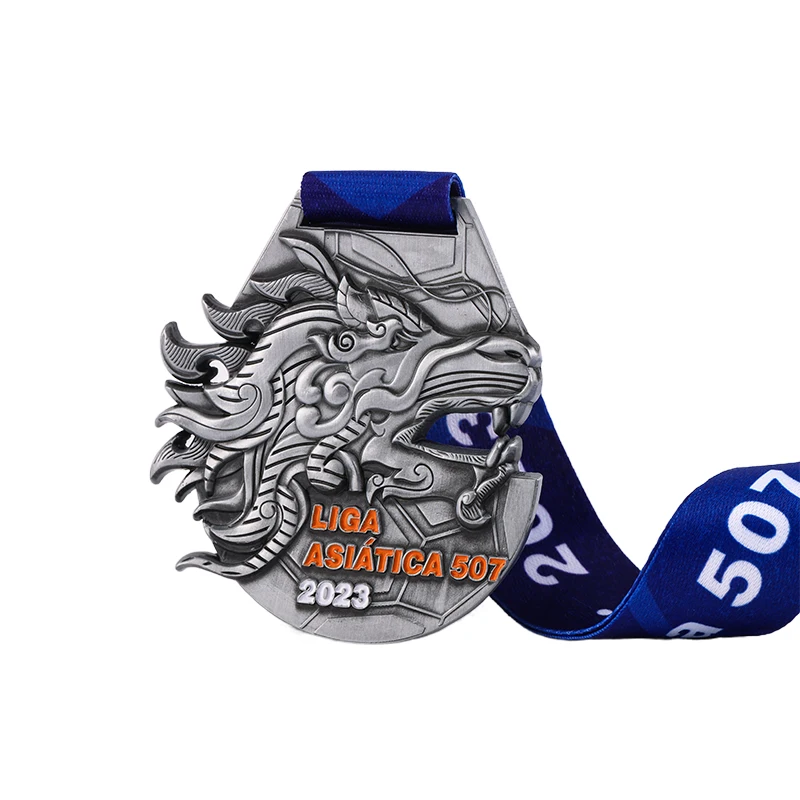
ການຖົກເຖິງຄວາມແຕກຕ່າງລະຫວ່າງລາງວັນທີ່ສາມາດປັບແຕ່ງໄດ້ (custom) ແລະ ລາງວັນທີ່ມີຮູບແບບມາດຕະຖານ (standard) ບໍ່ໄດ້ເປັນພຽງເລື່ອງຂອງຄ່າໃຊ້ຈ່າຍ ຫຼື ຄວາມງາມເທົ່ານັ້ນ. ມັນກ່ຽວຂ້ອງກັບຂະໜາດຂອງເຫດການ, ຄວາມຄາດຫວັງຂອງຜູ້ເຂົ້າຮ່ວມ, ຄວາມເປັນເອກະລັກຂອງຍີ່ຫໍ້, ແລະ ອິດທິພົນທາງດ້ານອາລົມຂອງລາງວັນເອງ. ລາງວັນທີ່ເປັນຮູບປັ້ນບານເຕະທີ່ຖືກເລືອກຢ່າງລະອຽດອ່ອນອາດຈະຍົກລະດັບເຫດການທັງໝົດຂຶ້ນໄປ, ໃນຂະນະທີ່ລາງວັນທີ່ທົ່ວໄປໂດຍບໍ່ມີຄວາມເປັນເອກະລັກອາດຈະເຮັດໃຫ້ຄວາມເປັນທີ່ນັບຖືທີ່ທີມຈັດງານໄດ້ພະຍາຍາມສ້າງຂຶ້ນນັ້ນເສື່ອມຄຸນຄ່າໄປຢ່າງເງີບໆ. ວິທີການນີ້ຈະອະທິບາຍປັດໄຈສຳຄັນທີ່ຕ້ອງພິຈາລະນາເພື່ອໃຫ້ທີມຕ່າງໆສາມາດຕັດສິນໃຈຢ່າງໝັ້ນໃຈ ແລະ ມີຂໍ້ມູນພໍສົມຄວນສຳລັບເຫດການຕໍ່ໄປ.
ການເຂົ້າໃຈວ່າແຕ່ລະທາງເລືອກໃຫ້ຫຍັງແທ້ໆ
ເຫດຜົນທີ່ຄວນເລືອກຮູບແບບລາງວັນບານເຕະມາດຕະຖານ
ການອອກແບບຖ้วยເຕະບານມາດຕະຖານແມ່ນຊິ້ນສ່ວນທີ່ຜະລິດໄວ້ລ່ວງໆ ແລ້ວ ເຊິ່ງມີໃຫ້ບໍລິການຈາກຜູ້ຈັດສົ່ງຖ້ວຍ ໃນຮູບຮ່າງ ຂະໜາດ ແລະ ສີສັນທີ່ກຳນົດໄວ້. ມັນມັກຖືກຜະລິດໃນປະລິມານຫຼາຍ ເຊິ່ງຊ່ວຍໃຫ້ຕົ້ນທຶນຕໍ່ໆ ໜ່ວຍຕໍ່ໆ ຕໍ່າລົງ ແລະ ໃຫ້ເວລາຈັດສົ່ງທີ່ໄວຂຶ້ນ. ສຳລັບສະໂມສອນທີ່ຈັດກິດຈະກຳທີ່ມີຄວາມສຳຄັນຕ່ຳຢ່າງຕໍ່ເນື່ອງ — ເຊັ່ນ: ການແຂ່ງຂັນທຸກອາທິດ, ການແຂ່ງຂັນມິດຕະພາບ ຫຼື ການແຂ່ງຂັນຝຶກຊົມເຊີຍຂອງເດັກນ້ອຍ — ຖ້ວຍເຕະບານມາດຕະຖານອາດຈະເປັນທາງເລືອກທີ່ເໝາະສົມ ແລະ ມີປະສິດທິພາບດ້ານຕົ້ນທຶນ.
ການອອກແບບເຫຼົ່ານີ້ມັກຕາມຮູບແບບທີ່ຄຸ້ນເຄີຍ: ຮູບຄົນທີ່ກຳລັງເຕະ ຫຼື ຍົກຖ້ວຍຂຶ້ນ, ຕັ້ງຢູ່ເທິງຖານທີ່ມີຫຼາຍຊັ້ນ, ແລະ ມີສີທີ່ເປັນສີເງິນ ສີຄຳ ຫຼື ສີທອງດຳ. ອາດຈະບໍ່ມີຄວາມເປັນເອກະລັກ, ແຕ່ມັນມີຄວາມໝາຍທີ່ຄົນເຂົ້າໃຈໄດ້ທັນທີ ເຊິ່ງນັກເຕະ ແລະ ຄອບຄົວເຂົ້າໃຈດີ. ສຳລັບກິດຈະກຳທີ່ເປົ້າໝາຍຫຼັກແມ່ນການຮັບຮູ້ການເຂົ້າຮ່ວມ ແທນທີ່ຈະເປັນກຽດສັກສີ, ຄວາມຄຸ້ນເຄີຍນີ້ຈະເປັນປະໂຫຍດຕໍ່ຜູ້ຈັດກິດຈະກຳ.
ຂໍ້ຈຳກັດຫຼັກຂອງຖ້ວຍເທີ່ງບານເຕະມາດຕະຖານແມ່ນວ່າມັນບໍ່ສື່ຄວາມໝາຍທີ່ເປັນເລື່ອງເພີ່ມເຕີມໃດໆກ່ຽວກັບເຫດການ ສະໂມສອນ ຫຼື ຄວາມສຳເລັດ. ຜູ້ຮັບທຸກຄົນຈາກສະໂມສອນທຸກແຫ່ງທີ່ໃຊ້ຜູ້ສະໜອງດຽວກັນອາດຈະໄດ້ຮັບຖ້ວຍເທີ່ງທີ່ຄືກັນທຸກຢ່າງ. ໃນເວລາດົນນານ ສິ່ງນີ້ອາດຈະເຮັດໃຫ້ຄຸນຄ່າທີ່ຮັບຮູ້ຂອງຖ້ວຍເທີ່ງຫຼຸດຕ່ຳລົງ ໂດຍເປັນພິເສດເມື່ອສະໂມສອນເຕີບໂຕຂຶ້ນ ແລະ ເຫດການຂອງພວກເຂົາກາຍເປັນທີ່ສຳຄັນຫຼາຍຂຶ້ນໃນປະຕິທິນກິລາທ້ອງຖິ່ນ ຫຼື ພາກພື້ນ.
ສິ່ງທີ່ການອອກແບບທີ່ປັບແຕ່ງເປັນເອກະລັກນຳມາ
ຖ້ວຍເທີ່ງບານເຕະທີ່ປັບແຕ່ງເປັນເອກະລັກແມ່ນຖືກອອກແບບຂຶ້ນເປັນພິເສດສຳລັບສະໂມສອນ ເຫດການ ຫຼື ການແຂ່ງຂັນໃດໆ. ມັນອາດຈະປະກອບດ້ວຍເຄື່ອງໝາຍຂອງສະໂມສອນ ຊື່ຂອງເຫດການ ອົງປະກອບທີ່ມີຮູບປັ້ນທີ່ເປັນເອກະລັກ ຫຼື ພື້ນຜິວທີ່ສະທ້ອນອັตลັກສັນຂອງການແຂ່ງຂັນ. ຜົນໄດ້ຮັບແມ່ນຖ້ວຍເທີ່ງທີ່ບໍ່ມີໃນທີ່ໃດເລີຍ— ຖ້ວຍເທີ່ງທີ່ຜູ້ຮັບຈະເຊື່ອມື້ອງທັນທີກັບເຫດການທີ່ເປັນເລື່ອງເພີ່ມເຕີມໃນເສັ້ນທາງກິລາຂອງເຂົາ.
ການອອກແບບຕາມລັກສະນະເພີ່ມເຕີມຍັງຊ່ວຍໃຫ້ສະໂມສອນຄວບຄຸມຄຸນນະພາບໄດ້ຢ່າງຖືກຕ້ອງແລະຊັດເຈນຫຼາຍຂຶ້ນ. ນ້ຳໜັກ, ສ່ວນປະກອບຂອງວັດຖຸ, ສັດສ່ວນທາງມິຕິ, ແລະ ລາຍລະອຽດທາງດ້ານໜ້າພ້ອມທັງຜິວໆ ສາມາດກຳນົດໄດ້ທັງໝົດເພື່ອໃຫ້ເຂົ້າກັບລະດັບຄວາມເປັນທີ່ຮູ້ຈັກ ແລະ ຄວາມສຳຄັນຂອງງານ. ຕົວຢ່າງເຊັ່ນ: ຖ້ວຍຊະນະເລີດດ້ານບານເຕະສຳລັບການແຂ່ງຂັນຂັ້ນແຂວງ ສາມາດອອກແບບໃຫ້ມີຄວາມຮູ້ສຶກທີ່ແຕກຕ່າງຢ່າງຊັດເຈນຈາກຖ້ວຍເກີດເປັນສ່ວນໜຶ່ງຂອງການເຂົ້າຮ່ວມ – ເຊິ່ງເປັນການເສີມສ້າງລຳດັບຂອງຄວາມສຳເລັດໃນທາງທີ່ຈັບຕ້ອງໄດ້.
ສິ່ງທີ່ຕ້ອງແລກປ່ຽນຄືເວລາທີ່ໃຊ້ໃນການຜະລິດ ແລະ ຈຳນວນສັ່ງຊື້ຂັ້ນຕ່ຳສຸດ. ການຜະລິດຖ້ວຍຊະນະເລີດດ້ານບານເຕະຕາມລັກສະນະເພີ່ມເຕີມຕ້ອງຜ່ານການອະນຸມັດການອອກແບບ, ການຈັດຕັ້ງເຄື່ອງມື ຫຼື ການເຮັດແບບເຄື່ອງປັ້ມ (mold), ແລະ ວຟູງການຜະລິດທີ່ແຕກຕ່າງຈາກການສັ່ງຊື້ທົ່ວໄປ. ສະໂມສອນທີ່ມີການວາງແຜນລ່ວງໆ ແລະ ມີມຸມມອງຕໍ່ການຈັດຕັ້ງລະບົບຖ້ວຍຊະນະເລີດເປັນການລົງທຶນເຊີງຍຸດທະສາດ ແທນທີ່ຈະເປັນພຽງແຕ່ການຈັດການດ້ານຂັ້ນຕອນສຸດທ້າຍ ຈະເຫັນວ່າການເລືອກທາງເລືອກຕາມລັກສະນະເພີ່ມເຕີມນີ້ເຂົ້າເຖິງໄດ້ງ່າຍຂຶ້ນຫຼາຍ ເມື່ອທຽບກັບສະໂມສອນທີ່ເລີ່ມຈັດຊື້ໃນສັບດາທີ່ຜ່ານມາກ່ອນງານ.
ປັດໄຈສຳຄັນທີ່ຄວນກຳນົດການμຕັດສິນໃຈ
ຂະໜາດຂອງງານ ແລະ ຄວາມຄາດຫວັງຂອງຜູ້ເຂົ້າຮ່ວມ
ຂະໜາດຂອງເຫດການແມ່ນໜຶ່ງໃນຄູ່ມືທີ່ເຊື່ອຖືໄດ້ທີ່ສຸດສຳລັບການμຕັດສິນໃຈນີ້. ການແຂ່ງຂັນບານເຕະຫ້າຄົນທີ່ຈັດຂຶ້ນຢ່າງເປັນທາງການໃນທ້ອງຖິ່ນ ໂດຍມີຜູ້ຊະນະປ່ຽນແປງທຸກອາທິດ ມີຄວາມຕ້ອງການດ້ານລາງວັນທີ່ແຕກຕ່າງຢ່າງມາກຈາກການແຂ່ງຂັນຊັ້ນສູງຂອງສະໂມສອນທີ່ຈັດຂຶ້ນປະຈຳປີ ແລະ ມີພິທີມອບລາງວັນຢ່າງເປັນທາງການ. ສຳລັບເຫດການທີ່ມີການເຂົ້າຮ່ວມຈາກນັກເຕະ, ຄອບຄົວ, ຜູ້ອຸປະຖຳ, ແລະ ສື່ມວນຊົນ, ລາງວັນບານເຕະທີ່ສ້າງຂຶ້ນເປັນພິເສດຈະສະແດງໃຫ້ເຫັນວ່າສະໂມສອນນີ້ຖືເອົາເຫດການນີ້ຢ່າງເຄົາລົບ.
ຄວາມຄາດຫວັງຂອງຜູ້ເຂົ້າຮ່ວມກໍເปลີ່ນແປງໄປຕາມລະດັບການແຂ່ງຂັນ. ນັກເຕະທີ່ເຕີບໃຫຍ່ມາໃນການແຂ່ງຂັນບານເຕະທີ່ຈັດຂຶ້ນຢ່າງເປັນທາງການມາເປັນເວລາຫຼາຍປີ ມີຄວາມເປັນໄປໄດ້ສູງທີ່ຈະໄດ້ຮັບລາງວັນບານເຕະທີ່ຜະລິດເປັນມວນຊົນຫຼາຍຄັ້ງໃນອາຊີບຂອງເຂົາເຈົ້າ. ລາງວັນທີ່ສ້າງຂຶ້ນເປັນພິເສດຈະເດັ່ນຊັດເປັນພິເສດ ເນື່ອງຈາກມັນແຕກຕ່າງຈາກຮູບແບບທີ່ເຄີຍເກີດຂຶ້ນເປັນປົກກະຕິ. ມັນສື່ໃຫ້ເຫັນວ່າເຫດການນີ້ ແລະ ຄວາມສຳເລັດນີ້ ແມ່ນຄຸ້ມຄ່າທີ່ຈະລົງທຶນເຖິງຄວາມພະຍາຍາມ ແລະ ການຄິດຄຳນວນດ້ານການອອກແບບຢ່າງເປັນພິເສດ.
ສຳລັບເຫດການທີ່ຈັດຂຶ້ນສຳລັບວັຍຮຸ່ນ, ການຄິດໄລ່ອາດຈະແຕກຕ່າງກັນ. ນັກກິລາວັຍຮຸ່ນມັກຈະຮູ້ສຶກຕື່ນເຕັ້ນຢ່າງໃຫຍ່ຫຼວງຕໍ່ການຮັບຮູ້ທາງດ້ານຮ່າງກາຍຕໍ່ຄວາມພະຍາຍາມຂອງເຂົາເຈົ້າ, ແລະຖ້ວຍຊະນະບານເຕັ້ນມາດຕະຖານທີ່ເລືອກຢ່າງດີອາດຈະມີຄວາມໝາຍເທົ່າທຽບກັບຖ້ວຍຊະນະທີ່ປັບແຕ່ງເປັນພິເສດສຳລັບເດັກອາຍຸສິບຂວັນ. ເຖິງຢ່າງໃດກໍຕາມ, ສະໂມສອນທີ່ລົງທຶນໃນການອອກແບບທີ່ປັບແຕ່ງເປັນພິເສດສຳລັບເຫດການວັຍຮຸ່ນມັກຈະພົບວ່າ ຜູ້ปกครอง ແລະ ເຈົ້າໜ້າທີ່ຝຶກອົບຮົມຕອບສະໜອງຢ່າງດີເລີດ, ເຊິ່ງເຮັດໃຫ້ການມີສ່ວນຮ່ວມຂອງຊຸມຊົນ ແລະ ຄວາມຊື່ສັດຕໍ່ສະໂມສອນເຂັ້ມແຂງຂຶ້ນໃນໄລຍະຍາວ.
ຄວາມເປັນຈິງດ້ານງົບປະມານ ແລະ ມູນຄ່າໃນໄລຍະຍາວ
ງົບປະມານເປັນປັດໄຈທີ່ສຳຄັນເสมີ, ແຕ່ຄວນຖືກປະເມີນຄ່າຕາມມູນຄ່າໃນໄລຍະຍາວ ແທນທີ່ຈະເປັນພຽງແຕ່ຕົ້ນທຶນຕໍ່ໜ່ວຍເທົ່ານັ້ນ. ຖ້ວຍຊະນະບານເຕັ້ນມາດຕະຖານທີ່ຊື້ດ້ວຍລາຄາຕໍ່ໜ່ວຍທີ່ຕ່ຳກວ່າອາດຈະເບິ່ງຄືນີ້ຄຸ້ມຄ່າ, ແຕ່ຖ້າມັນບໍ່ສາມາດສ້າງຄວາມຮູ້ສຶກເຖິງການຮັບຮູ້ ແລະ ຄວາມເປັນມິດທີ່ຖ້ວຍຊະນະທີ່ປັບແຕ່ງເປັນພິເສດຈະສາມາດເຮັດໄດ້, ດັ່ງນັ້ນຜົນຕອບແທນຈາກການລົງທຶນນີ້ຈະຕ່ຳກວ່າທີ່ຕົວເລກເຮັດໃຫ້ເຫັນ.
ການສັ່ງຊື້ຖ້ວຍເກີດທີ່ປັບແຕ່ງຕາມຄວາມຕ້ອງການສຳລັບກິລາບານເຕະ ໃນຈຳນວນທີ່ພໍເທົ່າກັບຄວາມຕ້ອງການ ສາມາດເຮັດໃຫ້ຕົ້ນທຶນຕໍ່ໜ່ວຍເຂົ້າໃກ້ກັບລາຄາມາດຕະຖານຫຼາຍກວ່າທີ່ຫຼາຍຄູ່ແຂ່ງຄາດຫວັງ. ຈຸດສຳຄັນແມ່ນການວາງແຜນໂປຣແກຣມການມອບຖ້ວຍເກີດໃຫ້ທັນເວລາເພື່ອໃຫ້ມີເວລາພໍທີ່ຈະເລືອກຜູ້ສະໜອງທີ່ແຂ່ງຂັນໄດ້ ແລະ ຈັດຕັ້ງການຜະລິດຢ່າງມີປະສິດທິພາບ. ສະໂມສອນທີ່ຈັດການການຈັດຊື້ຖ້ວຍເກີດສຳລັບກິລາບານເຕະເປັນການμຕັດສິນໃຈເຊິ່ງເປັນເລື່ອງຍຸດທະສາດປະຈຳປີ — ບໍ່ແມ່ນການຊື້ທີ່ເກີດຂື້ນເປັນການຕອບສະຫນອງຕໍ່ເຫດການ — ມັກຈະບັນລຸຜົນໄດ້ດີກວ່າໃນລາຄາທີ່ເທົ່າເທີຍກັນ ຫຼື ພຽງແຕ່ສູງຂື້ນເລັກນ້ອຍເທົ່ານັ້ນ.
ການພິຈາລະນາມູນຄ່າທີສອງຂອງຖ້ວຍເກີດບານເຕະທີ່ມີລັກສະນະເປັນເອກະລັກກໍເປັນສິ່ງທີ່ຄຸ້ມຄ່າ. ເມື່ອຜູ້ຮັບແບ່ງປັນຮູບພາບຂອງຖ້ວຍເກີດທີ່ອອກແບບດີໃນສື່ສັງຄົມ, ຊື່ສະໂມສອນຈະຖືກສົ່ງຕໍ່ໄປດ້ວຍ. ສິ່ງທີ່ມາດຕະຖານມັກຈະບໍ່ສ້າງຄວາມເຫັນທີ່ເກີດຂື້ນຢ່າງເປັນທຳມະຊາດເຫຼົ່ານີ້. ສຳລັບສະໂມສອນທີ່ມີເປົ້າໝາຍໃນການມີສ່ວນຮ່ວມກັບຊຸມຊົນຢ່າງເຄື່ອນໄຫວ, ມູນຄ່າດ້ານການຕະຫຼາດທີ່ຝັງຢູ່ໃນຖ້ວຍເກີດບານເຕະທີ່ປັບແຕ່ງຕາມຄວາມຕ້ອງການສາມາດຊົດເຊີຍຄ່າໃຊ້ຈ່າຍທີ່ເພີ່ມຂື້ນໄດ້ຢ່າງມີນ້ຳໜັກ.
ການຈັບຄູ່ປະເພດຖ້ວຍເກີດກັບປະເພດເຫດການ
ເຫດການຊີງແຊຳປະຊິບແລະເຫດການຊີງທີ່ສຸດ
ສຳລັບການແຂ່ງຂັນໃນເວທີຊີງຊະນະເລີດ, ການແຂ່ງຂັນແບບຖ้ວນ (cup competitions), ແລະ ພິທີມອບລາງວັນໃນທ້າຍລະດູການ, ລາງວັນຮູບປັ້ນບານເຕະທີ່ສ້າງຂຶ້ນເປັນພິເສດຈະເປັນທາງເລືອກທີ່ເຂັ້ມແຂງກວ່າເສມີ. ເຫຼົ່ານີ້ແມ່ນເຫດການທີ່ນັກກິລາຈະຈື່ໄດ້ ແລະ ພູດເຖີງເປັນເວລາຫຼາຍປີ. ລາງວັນທີ່ເຂົາເຈົ້າໄດ້ຮັບຈະກາຍເປັນສິ່ງທີ່ເປັນຮູບປະຈຳຂອງຄວາມຈື່ນັ້ນ, ແລະ ຄຸນນະພາບຂອງມັນຈະມີອິດທິພົວໂພ້ນໂດຍກົງຕໍ່ການຮັບຮູ້ຂອງເຫດການດັ່ງກ່າວໃນອະນາຄົດ.
ລາງວັນຮູບປັ້ນບານເຕະທີ່ສ້າງຂຶ້ນເປັນພິເສດສຳລັບເຫດການຊີງຊະນະເລີດສາມາດອອກແບບໃຫ້ສະທ້ອນເຖິງປະຫວັດສາດ ແລະ ອັตลັກສັນທີ່ເປັນເອກະລັກຂອງການແຂ່ງຂັນດັ່ງກ່າວ. ສະໂມສອນທີ່ຈັດການແຂ່ງຂັນດຽວກັນທຸກໆປີສາມາດພັດທະນາຮູບແບບການອອກແບບທີ່ເປັນເອກະລັກຢ່າງຕໍ່ເນື່ອງຈາກປີນີ້ໄປຫາປີໜ້າ, ເຊິ່ງຈະສ້າງເປັນ 'ເສັ້ນທາງທາງດ້ານຮູບພາບ' ທີ່ເພີ່ມຄວາມເຄົາລົບໃຫ້ແກ່ລາງວັນດັ່ງກ່າວເປັນເວລາດົນນານ. ຜູ້ທີ່ໄດ້ຮັບລາງວັນຈາກປີຕ່າງໆສາມາດຈົດຈຳລາງວັນຂອງກັນແລະກັນໄດ້ວ່າເປັນສ່ວນໜຶ່ງຂອງປະເພນີດຽວກັນ— ນີ້ເປັນວິທີທີ່ມີອຳນາດອັນໜຶ່ງໃນການສ້າງຊຸມຊົນຜ່ານການອອກແບບ.
ການມີຢູ່ທາງດ້ານຮ່າງກາຍຂອງຖ້ວຍເຕະບານໃນງານຊິງແຊັມປຽນຊິບກໍມີຄວາມສຳຄັນ. ຖ້ວຍທີ່ຖືກອອກແບບເປັນພິເສດ ແລະມີຂະໜາດເໝາະສົມ ເຊິ່ງຈັດສະແດງຢູ່ເທິງຕາຕະລາງເກີດເຫດການກ່ອນເລີ່ມພິທີ ສ້າງຄວາມຄາດຫວັງ ແລະສື່ອສານໃຫ້ຜູ້ເຂົ້າຮ່ວມຮູ້ວ່າເຫດການນີ້ມີຄວາມສຳຄັນ. ມິຕິດ້ານຈິດໃຈຂອງການອອກແບບຖ້ວຍນີ້ມັກຖືກປະເມີນຕ່ຳ ແຕ່ກໍສົ່ງຜົນຕໍ່ການຮູ້ສຶກ ແລະການຈື່ຈຳເຫດການຢ່າງຕໍ່ເນື່ອງ.
ຖ້ວຍຊິງແຊັມປຽນຊິບໃນລະດູການປົກກະຕິ ແລະຖ້ວຍເພື່ອການເຂົ້າຮ່ວມ
ສຳລັບການຮັບຮູ້ເຖິງການເຂົ້າຮ່ວມໃນລະດູການປົກກະຕິ ຫຼື ການຮັບຮູ້ເຖິງການເຂົ້າຮ່ວມທັງໝົດ ຫຼື ສະຖານະການທີ່ຕ້ອງມີຖ້ວຍຈຳນວນຫຼາຍ ຖ້ວຍເຕະບານທີ່ມີຮູບແບບມາດຕະຖານກໍຍັງຄົງເປັນທາງເລືອກທີ່ເຫມາະສົມ ແລະສາມາດອະທິບາຍໄດ້. ເປົ້າໝາຍໃນບໍລິບົດເຫຼົ່ານີ້ແມ່ນການຮັບຮູ້ຢ່າງກວ້າງຂວາງ ແທນທີ່ຈະເປັນການໃຫ້ເກີດຊື່ສຽງຢ່າງເລິກເຊິ່ງ ແລະການອອກແບບທີ່ມີຮູບແບບມາດຕະຖານກໍສາມາດເຮັດໜ້າທີ່ນີ້ໄດ້ຢ່າງມີປະສິດທິພາບ.
ສະໂມສອນຍັງສາມາດນຳໃຊ້ວິທີການປະສົມ: ໃຊ້ຊິ້ນສ່ວນຖ້ວຍເຄື່ອງແຕ່ງກາຍບານເຕະມາດຕະຖານສຳລັບການເຂົ້າຮ່ວມ ແລະ ການຮັບຮູ້ຜູ້ທີ່ໄດ້ຮັບທຳອິດອັນດັບສອງ ໃນຂະນະທີ່ເກັບຮັກສາການອອກແບບທີ່ເປັນເອກະລັກສຳລັບລາງວັນລະດັບສູງສຸດພາຍໃນເຫດການດຽວກັນ. ຍຸດທະສາດທີ່ມີລະດັບນີ້ສ້າງຄວາມແຕກຕ່າງທີ່ເຫັນໄດ້ຢ່າງຊັດເຈນລະຫວ່າງລະດັບຂອງການບັນລຸຜົນ ໂດຍບໍ່ຈຳເປັນຕ້ອງມີໂປແກຼມທີ່ອອກແບບເປັນເອກະລັກທັງໝົດສຳລັບທຸກໆປະເພດລາງວັນ.
ຮູບແບບປະສົມຍັງຊ່ວຍໃຫ້ສະໂມສອນຈັດສັນງົບປະມານໄດ້ຢ່າງມີຢຸດທະສາດຫຼາຍຂຶ້ນ. ໂດຍການເນັ້ນການລົງທຶນທີ່ອອກແບບເປັນເອກະລັກໃສ່ລາງວັນທີ່ມີຊື່ສຽງ ແລະ ມີຄວາມເດັ່ນທີ່ສຸດ, ສະໂມສອນຈະເຮັດໃຫ້ຜົນກະທົບຈາກການໃຊ້ຈ່າຍດ້ານການອອກແບບມີຄວາມສູງສຸດ ໃນຂະນະທີ່ຮັກສາຕົ້ນທຶນການຈັດຊື້ທັງໝົດໃຫ້ຢູ່ໃນລະດັບທີ່ຄວບຄຸມໄດ້. ວິທີການນີ້ມີປະສິດທິຜົນເປັນຢ່າງຍິ່ງສຳລັບສະໂມສອນທີ່ຈັດເຫດການຫຼາຍປະເພດທີ່ມີຜູ້ຮັບລາງວັນທີ່ແຕກຕ່າງກັນຢ່າງກວ້າງຂວາງ.
ເຫດຜົນດ້ານການອອກແບບທີ່ສົ່ງຜົນຕໍ່ຄຸນຄ່າທີ່ຮັບຮູ້
ວັດຖຸ, ພື້ນຜິວ, ແລະ ນ້ຳໜັກ
ມູນຄ່າທີ່ເຫັນໄດ້ຂອງຖ້ວຍຊະນະການບານເຕະແມ່ນຖືກປະສົບຜົນກະທົບຢ່າງໃຫຍ່ຫຼວງຈາກຄຸນລັກສະນະທາງຮ່າງກາຍຂອງມັນ. ການເລືອກວັດຖຸ - ເຊັ່ນ: ອະລູມິເນັມສັງກະສີ, ວັດຖຸປະສົມເຮຊິນ, ແລະ ເລືອກເອົາໂລຫະທີ່ເປັນເນື້ອດຽວ - ມີຜົນຕໍ່ທັງຮູບລັກສະນະທາງດ້ານທັດສະນີ ແລະ ຄວາມຮູ້ສຶກເວລາຈັບຖືຖ້ວຍຊະນະການ. ຖ້ວຍຊະນະການບານເຕະທີ່ມີນ້ຳໜັກເມື່ອຈັບໃນມືຈະສື່ເຖິງຄຸນນະພາບໃນທາງທີ່ຖ້ວຍຊະນະການທີ່ເບົາກວ່າບໍ່ສາມາດຈັບຄູ່ໄດ້ ເຖິງແມ່ນວ່າຈະມີການປະມວນຜົນທາງດ້ານໜ້າທີ່ດີເທົ່າໃດກໍຕາມ.
ຕົວເລືອກການສຳເລັດຮູບເຊັ່ນ: ການຊຸບດ້ວຍໄຟຟ້າ, ການຕື່ມສີອີນາເມລ, ສີເກົ່າແກ່, ຫຼື ໂຄຣມຂັດເງົາ ແຕ່ລະອັນມີຄວາມກ່ຽວຂ້ອງດ້ານຄວາມງາມທີ່ແຕກຕ່າງກັນ. ການສຳເລັດຮູບດ້ວຍສີທອງຍັງຄົງເປັນທາງເລືອກທີ່ໂດດເດັ່ນສຳລັບລາງວັນເຕະບານຊັ້ນສູງ ເນື່ອງຈາກມີຄວາມກ່ຽວຂ້ອງທາງວັດທະນະທຳຢ່າງເລິກເຊິ່ງກັບຜົນສຳເລັດ ແລະ ຄວາມເປັນເລີດ. ຢ່າງໃດກໍຕາມ, ສະໂມສອນທີ່ອອກແບບຊິ້ນສ່ວນທີ່ກຳນົດເອງມີອິດສະຫຼະພາບໃນການຄົ້ນຫາການສຳເລັດຮູບທີ່ສອດຄ່ອງກັບຮູບແບບຍີ່ຫໍ້ ຫຼື ຫົວຂໍ້ເຫດການສະເພາະຂອງເຂົາເຈົ້າ, ສ້າງເອກະລັກທາງສາຍຕາທີ່ໂດດເດັ່ນກວ່າເກົ່າ.
ການຈັດສັນນ້ຳໜັກຍັງມີຄວາມສຳຄັນເພື່ອຈຸດປະສົງການຈັດແຕ່ງ. ຖ້ວຍທີ່ໃຊ້ໃນການແຂ່ງຂັນບານເຕະທີ່ມີສ່ວນຖານທີ່ສົມດຸນດີຈະຢືນຢູ່ຢ່າງໝັ້ນຄົງເທິງຊັ້ນຫຼືຕູ້ຈັດແຕ່ງໂດຍບໍ່ລ້ຳເອງ, ເຊິ່ງຈະສົ່ງຜົນຕໍ່ວິທີທີ່ຜູ້ຮັບຈະມີສ່ວນຮ່ວມກັບຖ້ວຍດັ່ງກ່າວໃນໄລຍະຍາວ. ລາຍລະອຽດເຫຼົ່ານີ້ອາດຈະເບິ່ງຄືນ້ອຍໆໃນຂະນະທີ່ກຳລັງຊື້, ແຕ່ມັນມີຜົນກະທົບຢ່າງຫຼວງຫຼາຍຕໍ່ຄວາມປະທັບໃຈທີ່ຖ້ວຍດັ່ງກ່າວຈະເຮັດໃຫ້ເກີດຂຶ້ນໃນບ້ານຫຼືທີ່ຕຳຫຼວດຂອງຜູ້ຮັບໃນໄລຍະຍາວ.
ອົງປະກອບທີ່ເຮັດໃຫ້ມີຄວາມເປັນສ່ວນຕົວທີ່ເພີ່ມຄວາມໝາຍ
ການເຮັດໃຫ້ມີຄວາມເປັນສ່ວນຕົວເຮັດໃຫ້ຖ້ວຍບານເຕະປ່ຽນຈາກວັດຖຸທີ່ທົ່ວໄປເປັນບັນທຶກທີ່ເປັນເອກະລັກຂອງການບັນລຸຜົນສຳເລັດ. ຊື່ຂອງຜູ້ຮັບທີ່ຖືກຈາກ, ວັນທີຂອງເຫດການ, ຊື່ການແຂ່ງຂັນ, ແລະ ສັນຍາລັກຂອງສະໂມສອນທັງໝົດເປັນສ່ວນຮ່ວມໃນການປ່ຽນແປງນີ້. ຖ້ວຍບານເຕະທີ່ມີຊື່ຂອງຜູ້ຮັບຈະຖືກຈັດແຕ່ງຢູ່ບ່ອນທີ່ເດັ່ນຊັດ ແລະ ຖືກເກັບຮັກສາຢ່າງລະມັດລະວັງຫຼາຍກວ່າຖ້ວຍທີ່ອາດຈະເປັນຂອງໃຜກໍໄດ້.
ສຳລັບການອອກແບບຕາມຄວາມຕ້ອງການ, ການປັບແຕ່ງສ່ວນບຸກຄົນສາມາດຖືກຜະສົມເຂົ້າໄປໃນຂະບວນການຜະລິດໂດຍກົງ ແທນທີ່ຈະເພີ່ມເຂົ້າໄປເປັນສິ່ງທີ່ເຮັດຕາມຫຼັງ. ອົງປະກອບທີ່ມີຮູບປັ້ນສາມມິຕິ, ແຜ່ນຖານທີ່ອອກແບບຕາມຄວາມຕ້ອງການ, ແລະ ແຜ່ນປ້າຍເຊີດສີທີ່ຖືກຜະສົມເຂົ້າໄປໃນຕົວເອງ ສາມາດຊ່ວຍໃຫ້ສະໂມສອນຝັງອັตลັກສັນ ແລະ ການຈົດຈຳເຂົ້າໄປໃນໂຄງສ້າງຂອງຖ້ວຍເທັດບານເອງ. ລະດັບຂອງການຜະສົມເຂົ້າໄປນີ້ຈະໃຫ້ຜົນໄດ້ຮັບທີ່ເປັນເອກະລາດ ແລະ ມີຄຸນນະພາບສູງກວ່າການຈາກເລີ່ມຕົ້ນທີ່ເຮັດຢູ່ເທິງໜ້າພຽງແຕ່ເທົ່ານັ້ນ.
ສະໂມສອນຄວນພິຈາລະນາເຖິງອາຍຸການໃຊ້ງານຂອງວິທີການປັບແຕ່ງສ່ວນບຸກຄົນດ້ວຍ. ການຈາກເລີ່ມຕົ້ນດ້ວຍເລເຊີ ແລະ ການຈາກເລີ່ມຕົ້ນດ້ວຍເຄື່ອງຈັກທີ່ເຈาะເລິກ ສາມາດໃຫ້ບັນທຶກທີ່ຖາວອນ ແລະ ຍືນຍົງ ເຊິ່ງຈະຍັງຄົງອ່ານໄດ້ຢ່າງຊັດເຈນເປັນເວລາຫຼາຍສິບປີ. ໃນທາງກົງກັນຂ້າມ, ການພິມເທິງໜ້າ ຫຼື ປ້າຍທີ່ຕິດດ້ວຍກາວຈະເສື່ອມສະພາບໄປຕາມເວລາ ແລະ ອາດຈະເຮັດໃຫ້ຄຸນນະພາບທີ່ເຫັນໄດ້ຂອງຖ້ວຍເທັດບານທີ່ຜະລິດໄດ້ດີຢູ່ແລ້ວຫຼຸດລົງ. ການລົງທຶນໃນວິທີການປັບແຕ່ງສ່ວນບຸກຄົນທີ່ມີຄວາມຖາວອນຈະປ້ອງກັນມູນຄ່າໃນໄລຍະຍາວຂອງຖ້ວຍເທັດບານ.
ການຕັດສິນໃຈສຸດທ້າຍສຳລັບສະໂມສອນຂອງທ່ານ
ຄຳຖາມທີ່ຄວນຖາມກ່ອນທີ່ຈະຕັດສິນໃຈ
ກ່ອນທີ່ຈະຕັດສິນໃຈເລືອກຖ້ວຍຊະນະບານເຕະສຳລັບງານໃດໆ ຜູ້ຈັດງານສະໂມສອນຄວນພິຈາລະນາຄຳຖາມທີ່ເປັນປະໂຫຍດເລື່ອງງ່າຍໆ ເປັນລາຍການສັ້ນ. ງານນີ້ມີຄວາມສຳຄັນເທົ່າໃດໃນປະຕິທິນປະຈຳປີຂອງສະໂມສອນ? ຜູ້ເຂົ້າຮ່ວມ ແລະ ຜູ້ມີສ່ວນໄດ້ສ່ວນເສຍຄາດຫວັງໃຫ້ມີຄວາມເປັນທີ່ນັບຖືໃນລະດັບໃດ? ມີເວລາເທົ່າໃດທີ່ເຫຼືອກ່ອນວັນຈັດງານ? ມີງົບປະມານໃດທີ່ໄດ້ຈັດສັນໄວ້ ແລະ ມັນເທືອບເທີງກັບລາຄາຕໍ່ໜ່ວຍຂອງຖ້ວຍຊະນະທີ່ສັ່ງທຳເພື່ອໃຊ້ເປັນພິເສດ ແລະ ຖ້ວຍຊະນະທີ່ຜະລິດເປັນມາດຕະຖານ?
ຄຳຕອບຕໍ່ຄຳຖາມເຫຼົ່ານີ້ຈະຊີ້ໃຫ້ເຫັນຢ່າງຊັດເຈນເຖິງຕົວເລືອກໜຶ່ງໃນສອງຕົວເລືອກ. ງານທີ່ມີຄວາມເປັນທີ່ຮູ້ຈັກຢ່າງກວ້າງຂວາງ, ມີເວລາເພີຍງພໍກ່ອນຈັດງານ ແລະ ມີງົບປະມານທີ່ເໝາະສົມ ແມ່ນເປັນຜູ້ສົມຄວນທີ່ດີສຳລັບການອອກແບບຖ້ວຍຊະນະບານເຕະທີ່ສັ່ງທຳເພື່ອໃຊ້ເປັນພິເສດ. ສ່ວນງານທີ່ຈັດເປັນປະຈຳ, ມີຄວາມສຳຄັນຕ່ຳ ຫຼື ມີເວລາຈຳກັດ ຈະເໝາະສົມກວ່າກັບຖ້ວຍຊະນະທີ່ຜະລິດເປັນມາດຕະຖານ ໂດຍເລືອກຢ່າງລະມັດລະວັງເພື່ອຄຸນນະພາບ ແລະ ລາຍລະອຽດຂອງຜິວໜ້າ.
ມັນຍັງຄຸ້ມຄ່າທີ່ຈະປຶກສາກັບຜູ້ເລື່ອນ, ຜູ້ຝຶກສອນ, ຫຼື ສະມາຊິກຊຸມຊົນທີ່ຈະໄດ້ຮັບຖ້ວຍເກີດ. ຄວາມຄາດຫວັງ ແລະ ຄວາມຕ້ອງການຂອງພວກເຂົາແມ່ນສັນຍານທີ່ຊັດເຈນທີ່ສຸດເຖິງສິ່ງທີ່ຈະເຮັດໃຫ້ຖ້ວຍເກີດບານເຕະເກີດຄວາມຊົມຊື່ນຢ່າງແທ້ຈິງ. ສະໂມສອນທີ່ມີສ່ວນຮ່ວມຂອງຊຸມຊົນໃນການຕັດສິນໃຈກ່ຽວກັບຖ້ວຍເກີດມັກຈະພົບວ່າການເລືອກທີ່ໄດ້ມາຈາກວິທີນີ້ຖືກຕ້ອນຮັບໄດ້ດີຂຶ້ນ ແລະ ຈື່ໄດ້ດີຂຶ້ນເທື່ອລະຫຼາຍເທື່ອເທື່ອເທື່ອເທື່ອເທື່ອເທື່ອເທື່ອເທື່ອເທື່ອເທື່ອເທື່ອເທື່ອເທື່ອເທື່ອເທື່ອເທື່ອເທື່ອເທື່ອເທື່ອເທື່ອເທື່ອເທື່ອເທື່ອເທື່ອເທື່ອເທື່ອເທື່ອເທື່ອເທື່ອເທື່ອເທື່ອເທື່ອເທື່ອເທື່ອເທື່ອເທື່ອເທື່ອເທື່ອເທື່ອເທື່ອເທື່ອເທື່ອເທື່ອເທື່ອເທື່ອເທື່ອເທື່ອເທື່ອເທື່ອເທື່ອເທື່ອເທື່ອເທື່ອເທື່ອເທື່ອເທື່ອເທື່ອເທື່ອເທື່ອເທື່ອເທື່ອເທື່ອເທື່ອເທື່ອເທື່ອເທື່ອເທື່ອເທື່ອເທື່ອເທື່ອເທື່ອເທື່ອເທື່......
ການສ້າງຍຸດທະສາດຖ້ວຍເກີດທີ່ສອດຄ່ອງກັນ
ສະໂມສອນທີ່ມີປະສິດທິຜົນທີ່ສຸດຈະພິຈາລະນາໂປແກຼມຖ້ວຍເກີດບານເຕະຂອງພວກເຂົາເປັນຍຸດທະສາດທີ່ສອດຄ່ອງ ແລະ ພັດທະນາຢ່າງຕໍ່ເນື່ອງ ແທນທີ່ຈະເປັນການμຕັດສິນໃຈທີ່ເກີດຂຶ້ນເທື່ອດຽວ. ນີ້ໝາຍຄວາມວ່າ ຕ້ອງກຳນົດເກນທີ່ຊັດເຈນສຳລັບເວລາທີ່ຈະຕ້ອງອອກແບບທີ່ເປັນເອກະລັກ, ຮັກສາຄວາມສຳພັນກັບຜູ້ສະໜອງທີ່ເຊື່ອຖືໄດ້, ແລະ ລວມເວລາໃນການຈັດຊື້ເຂົ້າໄປໃນແຜນການຈັດງານເຫດການຕັ້ງແຕ່ເລີ່ມຕົ້ນ.
ຍุດສາດການມອບລາງວັນທີ່ເປັນເອກະລັກຍັງຊ່ວຍໃຫ້ສະໂມສອນສາມາດພັດທະນາອັດຕາລັກສະນະທີ່ຈະຮູ້ຈັກໄດ້ຢ່າງຊັດເຈນໃນແຕ່ລະການຈັດຕັ້ງຂອງການແຂ່ງຂັນບານເຕະ ແລະ ລາງວັນທີ່ມອບໃຫ້ເປັນເວລາດົນນານ. ຜູ້ຮັບລາງວັນ ແລະ ສະມາຊິກຊຸມຊົນເລີ່ມທີ່ຈະເຊື່ອມໂຍງອົງປະກອບການອອກແບບທີ່ເປັນເອກະລັກກັບເຫດການຂອງສະໂມສອນ, ເຊິ່ງເຮັດໃຫ້ການຈື່ຈຳຍີ່ຫໍ້ເຂັ້ມແຂງຂຶ້ນ ແລະ ເພີ່ມຄວາມເປັນທີ່ນັບຖືຢ່າງຕໍ່ເນື່ອງໃຫ້ແກ່ລາງວັນໃໝ່ທີ່ຖືກມອບໃນແຕ່ລະຄັ້ງ. ການຄິດຢ່າງຍາວນານແບບນີ້ເຮັດໃຫ້ລາງວັນບານເຕະປ່ຽນຈາກການສັ່ງຊື້ທີ່ເປັນພຽງແຕ່ການຈັດຕັ້ງເປັນຊັບສິນທີ່ແທ້ຈິງສຳລັບອັດຕາລັກສະນະຂອງສະໂມສອນ ແລະ ການມີສ່ວນຮ່ວມຂອງຊຸມຊົນ.
ໃນທີ່ສຸດ ການເລືອกระຫວ່າງລາງວັນທີ່ສັ່ງທຳຂຶ້ນເປັນພິເສດ ຫຼື ລາງວັນທີ່ມີຢູ່ແລ້ວນັ້ນບໍ່ແມ່ນການμຕັດສິນໃຈທີ່ຖາວອນ. ສະໂມສອນສາມາດ ແລະ ຄວນທີ່ຈະທบทวนການμຕັດສິນໃຈນີ້ອີກຄັ້ງເມື່ອເຫດການຂອງພວກເຂົາເຕີບໂຕຂຶ້ນ, ເມື່ອງົບປະມານຂອງພວກເຂົາປ່ຽນແປງ, ແລະ ເມື່ອຄວາມຄາດຫວັງຂອງຊຸມຊົນເปลີ່ນແປງໄປ. ເປົ້າໝາຍສຸດທ້າຍຄືການຮັບປະກັນວ່າລາງວັນບານເຕະທຸກໆອັນທີ່ຖືກມອບໃຫ້ນັ້ນຈະສະທ້ອນເຖິງຄວາມສຳເລັດທີ່ມັນເປັນຕົວແທນ ແລະ ສະໂມສອນທີ່ຢູ່ເບື້ອງຫຼັງມັນຢ່າງແທ້ຈິງ.
ຄຳຖາມທີ່ຖືກຖາມເລື້ອຍໆ
ສະໂມສອນຄວນຈະສັ່ງລາງວັນບານເຕະທີ່ສັ່ງທຳເປັນພິເສດລ່ວງໆເທົ່າໃດ?
ການສັ່ງຊື້ຖ້ວຍເກີດທີ່ປັບແຕ່ງຕາມຄວາມຕ້ອງການສ່ວນໃຫຍ່ຈະຕ້ອງໃຊ້ເວລາຢ່າງໜ້ອຍ 4 ເຖິງ 8 ອາທິດຈາກເວລາທີ່ອະນຸມັດການອອກແບບຈົນເຖິງເວລາຈັດສົ່ງ ໂດຍຂຶ້ນກັບລະດັບຄວາມສັບສົນຂອງການອອກແບບ ແລະ ຈຳນວນການສັ່ງຊື້. ສະໂມສອນທີ່ມີການຈັດງານເຫດການໃຫຍ່ຄວນເລີ່ມຕົ້ນຂະບວນການຈັດຊື້ຢ່າງໜ້ອຍ 2 ເຖິງ 3 ເດືອນກ່ອນເພື່ອໃຫ້ມີເວລາພຽງພໍສຳລັບການປັບປຸງການອອກແບບ ການຜະລິດ ແລະ ການຈັດສົ່ງໂດຍບໍ່ມີຄວາມກົດດັນ.
ຖ້ວຍເກີດທີ່ປັບແຕ່ງຕາມຄວາມຕ້ອງການສ່ວນຕົວແທ້ໆແລ້ວມີຄ່າໃຊ້ຈ່າຍທີ່ແຕກຕ່າງຢ່າງມີນັກເທື່ອຫຼາຍຈາກຖ້ວຍເກີດທີ່ມາດຕະຖານຫຼືທົ່ວໄປຫຼືບໍ່?
ຄວາມແຕກຕ່າງດ້ານລາຄາຂຶ້ນກັບຈຳນວນການສັ່ງຊື້ ວັດສະດຸທີ່ເລືອກ ແລະ ລະດັບຄວາມສັບສົນຂອງການອອກແບບ. ສຳລັບການສັ່ງຊື້ຈຳນວນຫຼາຍ ລາຄາຖ້ວຍເກີດທີ່ປັບແຕ່ງຕາມຄວາມຕ້ອງການສ່ວນຕົວສາມາດເຂົ້າໃກ້ກັບລາຄາຖ້ວຍເກີດທີ່ມີໃນບໍລິການທົ່ວໄປຕໍ່ໜ່ວຍ. ສິ່ງສຳຄັນທີ່ສຸດແມ່ນການວາງແຜນລ່ວງໆ ແລະ ການຊອກຫາຜູ້ສະໜອງທີ່ມີການປະກ່ຽວຂ້າງທີ່ດີ ແທນທີ່ຈະຖືວ່າຖ້ວຍເກີດທີ່ປັບແຕ່ງຕາມຄວາມຕ້ອງການສ່ວນຕົວເປັນສິ່ງທີ່ມີຄ່າໃຊ້ຈ່າຍສູງເທົ່ານັ້ນ.
ຖ້ວຍເກີດທີ່ມາດຕະຖານສາມາດປັບແຕ່ງດ້ວຍຊື່ ແລະ ວັນທີໄດ້ຫຼືບໍ່?
ແມ່ນ, ສ່ວນຫຼາຍຂອງຖ້ວຍເກີດທີ່ມີມາດຕະຖານສາມາດປັບແຕ່ງໄດ້ຜ່ານການຈາລະຈອນໃສ່ແຜ່ນເບື້ອງລຸ່ມ ຫຼື ແຜ່ນປ້າຍແຍກຕ່າງຫາກ. ເຖິງຢ່າງໃດກໍຕາມ, ການປັບແຕ່ງນີ້ຈະຖືກເຮັດຫຼັງຈາກການຜະລິດ ແທນທີ່ຈະຖືກບັນຈຸເຂົ້າໄປໃນການອອກແບບຕັ້ງແຕ່ເລີ່ມຕົ້ນ, ດັ່ງນັ້ນຈຶ່ງໃຫ້ຜົນໄດ້ຮັບທາງດ້ານຮູບຮ່າງທີ່ແຕກຕ່າງຈາກຖ້ວຍເກີດທີ່ປັບແຕ່ງທັງໝົດ ໂດຍທີ່ການປັບແຕ່ງເປັນສ່ວນໜຶ່ງຂອງເຈດຕະນາອອກແບບເດີມ.
ຫຼັກການໃດທີ່ເຮັດໃຫ້ຖ້ວຍເກີດບານເຕະຮູ້ສຶກມີຄວາມເປັນທີ່ນັບຖືສຳລັບຜູ້ຮັບ?
ຄວາມຮູ້ສຶກເຖິງຄວາມເປັນທີ່ນັບຖືຂອງຖ້ວຍເກີດບານເຕະເກີດຈາກປັດໄຈຮວມກັນຫຼາຍດ້ານ ເຊັ່ນ: ນ້ຳໜັກທາງຮ່າງກາຍ ແລະ ຄຸນນະພາບຂອງວັດສະດຸ, ຄວາມເປັນເອກະລັກຂອງການອອກແບບ, ຄວາມເປັນສ່ວນຕົວທີ່ຊັດເຈນ, ແລະ ບ່ອນທີ່ຖືກມອບໃຫ້. ຖ້ວຍເກີດບານເຕະທີ່ອອກແບບດີ ແລະ ມອບໃຫ້ໃນພິທີການທາງການຈະໃຫ້ຄວາມຮູ້ສຶກເຖິງຄວາມເປັນທີ່ນັບຖືຫຼາຍກວ່າຖ້ວຍເກີດທີ່ຄືກັນທັງໝົດແຕ່ຖືກມອບໃຫ້ຢ່າງບໍ່ເປັນທາງການ, ສະນັ້ນບ່ອນທີ່ມອບຖ້ວຍເກີດຈຶ່ງມີຄວາມສຳຄັນເທົ່າກັບຕົວຖ້ວຍເກີດເອງ.
ບົດສາລະບານ
- ການເຂົ້າໃຈວ່າແຕ່ລະທາງເລືອກໃຫ້ຫຍັງແທ້ໆ
- ປັດໄຈສຳຄັນທີ່ຄວນກຳນົດການμຕັດສິນໃຈ
- ການຈັບຄູ່ປະເພດຖ້ວຍເກີດກັບປະເພດເຫດການ
- ເຫດຜົນດ້ານການອອກແບບທີ່ສົ່ງຜົນຕໍ່ຄຸນຄ່າທີ່ຮັບຮູ້
- ການຕັດສິນໃຈສຸດທ້າຍສຳລັບສະໂມສອນຂອງທ່ານ
-
ຄຳຖາມທີ່ຖືກຖາມເລື້ອຍໆ
- ສະໂມສອນຄວນຈະສັ່ງລາງວັນບານເຕະທີ່ສັ່ງທຳເປັນພິເສດລ່ວງໆເທົ່າໃດ?
- ຖ້ວຍເກີດທີ່ປັບແຕ່ງຕາມຄວາມຕ້ອງການສ່ວນຕົວແທ້ໆແລ້ວມີຄ່າໃຊ້ຈ່າຍທີ່ແຕກຕ່າງຢ່າງມີນັກເທື່ອຫຼາຍຈາກຖ້ວຍເກີດທີ່ມາດຕະຖານຫຼືທົ່ວໄປຫຼືບໍ່?
- ຖ້ວຍເກີດທີ່ມາດຕະຖານສາມາດປັບແຕ່ງດ້ວຍຊື່ ແລະ ວັນທີໄດ້ຫຼືບໍ່?
- ຫຼັກການໃດທີ່ເຮັດໃຫ້ຖ້ວຍເກີດບານເຕະຮູ້ສຶກມີຄວາມເປັນທີ່ນັບຖືສຳລັບຜູ້ຮັບ?