 EN
EN
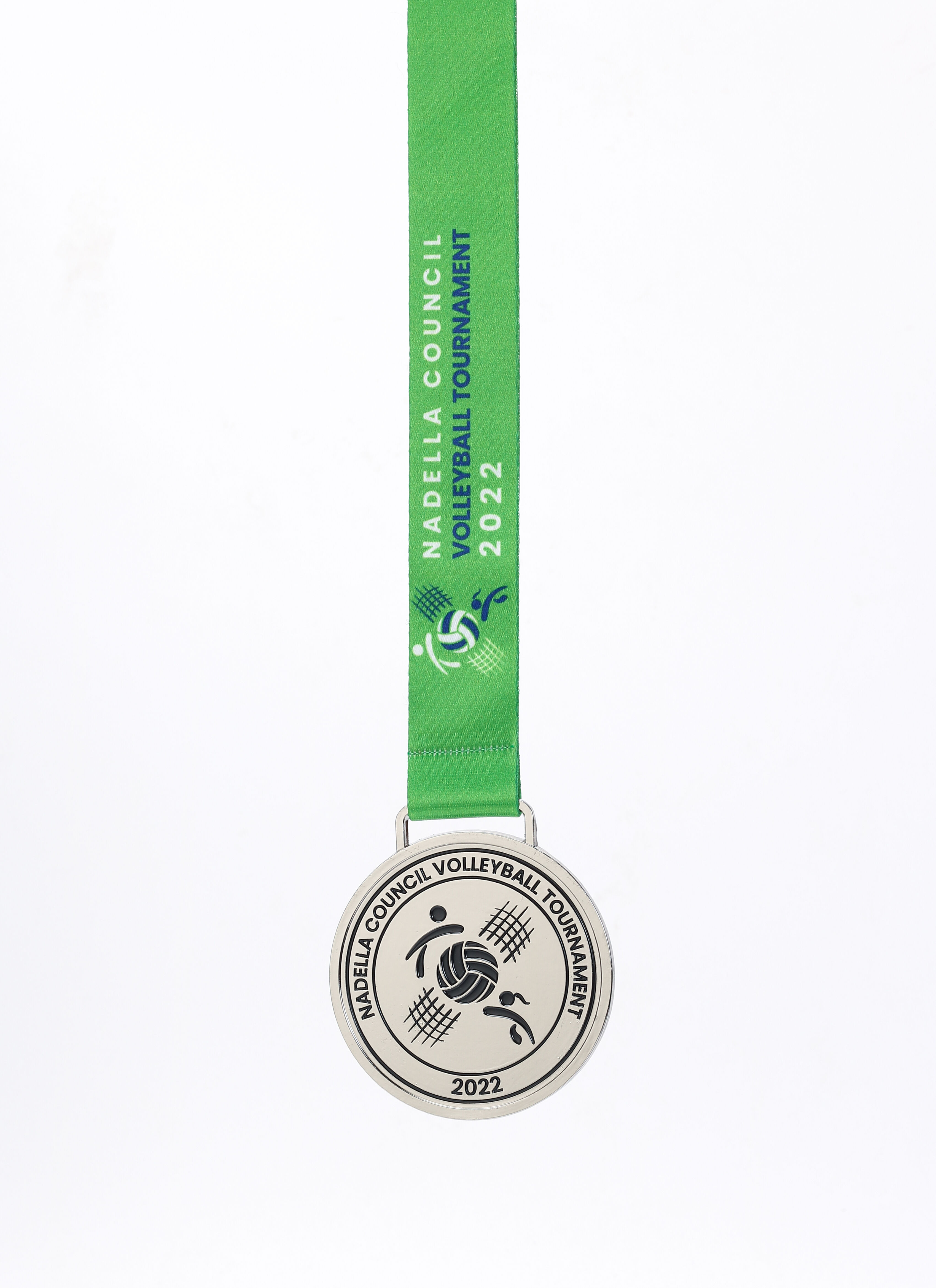
Selecting the right football medals for your school, club, or tournament requires careful consideration of several key factors that directly impact both participant satisfaction and organizational success. The process involves evaluating quality standards, design elements, customization options, and budget constraints while ensuring the final selection properly represents the achievement being recognized. Quality football medals serve as lasting mementos that participants treasure for years, making the selection process crucial for maintaining program credibility and participant engagement.
Understanding Football Medal Categories and Types
Traditional Championship Football Medals
Championship football medals represent the highest level of recognition in competitive football programs and tournaments. These premium awards typically feature intricate designs incorporating football-specific imagery such as cleats, balls, goalposts, and field layouts. The materials used for championship football medals often include high-quality metals like zinc alloy or brass with gold, silver, or bronze plating to signify different placement levels. The weight and substantial feel of these medals communicate the importance of the achievement to recipients.
Design elements for championship medals should reflect the prestige of the competition while maintaining visual appeal that resonates with participants. Many organizations opt for three-dimensional designs that create depth and texture, making the medals more visually striking and tactilely satisfying. The ribbon selection for these football medals plays an equally important role, with colors typically matching team colors or tournament branding to create cohesive visual identity.
Participation and Achievement Football Medals
Participation football medals serve a different but equally important purpose in youth sports programs and recreational leagues. These medals recognize effort, improvement, teamwork, and sportsmanship rather than competitive placement. The design approach for participation medals often emphasizes inclusive messaging and positive reinforcement rather than competitive hierarchy. Schools and youth clubs frequently use these medals to ensure every participant receives recognition for their commitment to the sport.
The manufacturing considerations for participation football medals typically focus on cost-effectiveness while maintaining acceptable quality standards. These medals may utilize lighter-weight materials or simplified designs to achieve budget-friendly pricing without compromising the recognition value. The psychological impact of receiving any medal recognition, regardless of competitive outcome, contributes significantly to participant retention and program satisfaction rates.
Material Quality and Durability Considerations
Metal Composition and Plating Options
The metal composition of football medals directly affects both appearance and longevity, making material selection a critical decision factor. Zinc alloy has emerged as the preferred base material for quality medals due to its excellent casting properties, corrosion resistance, and ability to hold fine detail. This material provides the ideal balance between cost-effectiveness and durability while supporting complex three-dimensional designs that enhance visual appeal.
Plating options for football medals include gold, silver, bronze, nickel, and antique finishes, each offering distinct aesthetic qualities and durability characteristics. Gold plating provides the most prestigious appearance and superior tarnish resistance, making it ideal for championship recognition. Silver and bronze plating offer classic appeal at moderate cost points while maintaining professional appearance standards. Antique finishes create unique character and help hide minor scratches or wear over time.
Finish Durability and Maintenance Requirements
Surface finish durability significantly impacts the long-term appearance and satisfaction value of football medals. High-quality electroplating processes create uniform, durable finishes that resist tarnishing, scratching, and color fading under normal handling conditions. The thickness of plating applied during manufacturing determines the medal's resistance to wear and environmental factors that could compromise appearance over time.
Maintenance requirements vary significantly based on finish selection and intended use patterns. Football medals with protective clear coatings require minimal maintenance while preserving original appearance characteristics. Understanding these maintenance considerations helps organizations set appropriate expectations and potentially influences initial material and finish selections.
Customization Options and Design Elements
Logo Integration and Branding Opportunities
Custom logo integration transforms generic football medals into branded recognition pieces that strengthen organizational identity and participant connection. Professional medal manufacturers offer various logo application methods including embossing, laser engraving, and full-color printing to accommodate different design requirements and budget parameters. The logo placement and sizing must balance visibility with overall design harmony to create visually appealing finished products.
Branding opportunities extend beyond simple logo application to include custom ribbon colors, packaging options, and even unique medal shapes that reflect organizational personality. Schools often incorporate mascot imagery or school colors into their football medals to strengthen institutional connection and pride. Tournament organizers may include event dates, locations, or special commemorative elements that increase the medal's value as a keepsake.
Text and Engraving Personalization
Personalized engraving elevates football medals from generic awards to treasured personal mementos that recipients value throughout their lives. Engraving options include participant names, achievement levels, dates, team names, and motivational messages that create emotional connections between recipients and their awards. The engraving placement and font selection must complement the overall medal design while ensuring readability and visual balance.
Technical considerations for engraving include character limits, font size constraints, and production timeline impacts. Laser engraving provides precise, permanent marking that won't fade or wear off over time, while traditional mechanical engraving offers classic appearance characteristics. The cost implications of personalized engraving must be weighed against the increased perceived value and recipient satisfaction benefits.
Budget Planning and Cost Management Strategies
Quantity-Based Pricing Structures
Understanding quantity-based pricing structures enables organizations to optimize their football medals budget while maximizing recognition impact. Most manufacturers offer tiered pricing that reduces per-unit costs as order quantities increase, making bulk purchases economically advantageous for large tournaments or multi-team events. The break points in pricing tiers often occur at 50, 100, 250, and 500 unit levels, requiring careful planning to achieve optimal pricing.
Strategic ordering approaches may involve coordinating with other organizations or planning multi-year purchases to achieve better pricing tiers. Schools with multiple sports programs can combine medal orders across different sports to reach higher quantity discounts. Tournament organizers may consider offering standardized football medals across multiple age divisions to increase total order quantities and reduce per-unit costs.
Value Engineering and Cost Optimization
Value engineering involves systematically evaluating design and material choices to optimize the balance between cost and quality for football medals. This process examines each component including medal size, material thickness, plating type, ribbon quality, and packaging options to identify cost reduction opportunities without compromising recognition value. Skilled procurement professionals can achieve significant savings through informed decision-making about specification priorities.
Cost optimization strategies may include selecting standard ribbon colors instead of custom options, choosing simplified designs that require less manufacturing complexity, or opting for antique finishes that hide minor imperfections. These decisions should align with organizational priorities and recipient expectations to ensure cost savings don't compromise program objectives or participant satisfaction levels.
Supplier Selection and Quality Assurance
Manufacturer Evaluation Criteria
Selecting reliable manufacturers for football medals requires comprehensive evaluation of production capabilities, quality control systems, and customer service standards. Established manufacturers with sports medal specialization typically offer superior design expertise, material sourcing, and production consistency compared to general promotional product suppliers. The evaluation process should include sample requests, reference checks, and production timeline assessments to ensure reliable partnership development.
Quality assurance capabilities vary significantly among manufacturers, making this evaluation crucial for consistent results. Reputable suppliers maintain quality control documentation, offer production samples for approval, and provide clear specifications for all materials and processes used. The manufacturer's ability to handle customization requirements, meet delivery deadlines, and resolve potential issues affects overall project success rates significantly.
Production Timeline and Delivery Planning
Production timelines for custom football medals typically range from two to six weeks depending on design complexity, quantity requirements, and manufacturer capacity. Rush order capabilities may be available at premium pricing for urgent requirements, but planning adequate lead time ensures better pricing and reduces stress associated with tight deadlines. Tournament organizers must account for production time, shipping duration, and potential delays when establishing medal ordering schedules.
Delivery planning considerations include shipping methods, packaging requirements, and receiving logistics that affect overall project success. Bulk shipments require adequate storage space and distribution planning to ensure medals reach their intended recipients properly. International shipping may involve customs considerations and extended transit times that impact overall project timelines and require additional planning attention.
Implementation and Distribution Best Practices
Storage and Handling Procedures
Proper storage and handling procedures preserve the appearance and presentation quality of football medals from receipt through distribution ceremonies. Medals should be stored in protective packaging away from moisture, extreme temperatures, and direct sunlight that could affect finishes or ribbon colors. Organized storage systems facilitate efficient distribution while preventing damage, loss, or mixing of different award categories.
Handling procedures should minimize direct contact with medal surfaces to prevent fingerprints, scratches, or other cosmetic damage. White cotton gloves provide effective protection during sorting and preparation activities. Distribution preparation may involve quality inspection, ribbon arrangement, and packaging in presentation boxes or bags that enhance the recognition ceremony experience for recipients.
Presentation Ceremony Planning
Effective presentation ceremonies maximize the recognition impact of football medals while creating positive experiences that participants remember fondly. Ceremony planning should consider venue requirements, participant flow, photography opportunities, and timing constraints that affect overall event success. The presentation method, whether individual recognition or group ceremonies, influences the emotional impact and memorability of the recognition experience.
Technical considerations for medal ceremonies include sound system requirements, staging needs, and coordination with other ceremony elements such as trophies or certificates. The order of presentation, recognition scripts, and photography coordination require advance planning to ensure smooth execution. These ceremonial elements contribute significantly to participant satisfaction and program reputation within the football community.
FAQ
What materials should I look for in quality football medals
Quality football medals typically feature zinc alloy construction with electroplated finishes in gold, silver, or bronze. Look for substantial weight and thickness that indicates durable construction, along with clear detail in raised or recessed design elements. High-quality ribbons should resist fraying and maintain color consistency over time.
How far in advance should I order custom football medals
Custom football medals typically require 3-6 weeks production time depending on design complexity and order quantity. Planning 8-10 weeks ahead of your event date allows adequate time for design approval, production, shipping, and distribution preparation while avoiding rush charges and potential delays.
What customization options are available for football medals
Customization options for football medals include logo integration, personalized engraving, custom ribbon colors, unique medal shapes, and specialized packaging. Many manufacturers offer full-color printing, laser engraving, embossing, and three-dimensional design elements to create distinctive recognition pieces that reflect your organization's identity.
How do I determine the right quantity of football medals to order
Calculate medal quantities based on participant registration numbers plus a 10-15% buffer for potential additions or replacements. Consider different award categories such as champions, runners-up, and participation recognition. Review manufacturer pricing tiers to optimize cost-effectiveness by reaching quantity break points when possible.