 EN
EN
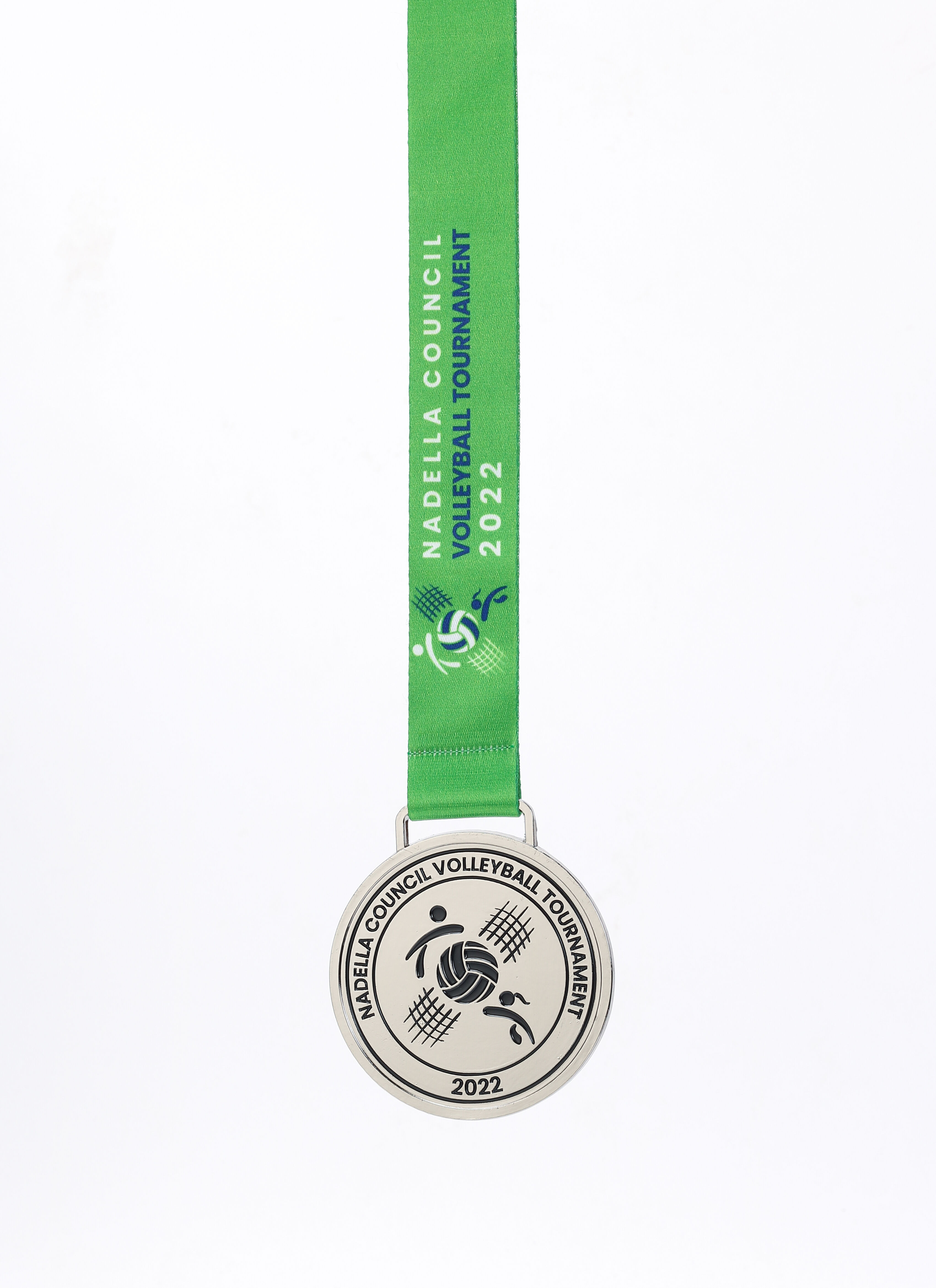
Organizations worldwide are constantly seeking ways to recognize excellence and motivate high performance among their teams, athletes, and participants. Premium award programs require recognition items that not only celebrate achievements but also embody the prestige and values of the organization. Metal medals have emerged as the gold standard for premium recognition programs, offering unmatched durability, aesthetic appeal, and symbolic value that plastic or paper alternatives simply cannot match. When properly designed and crafted, these awards become treasured keepsakes that recipients proudly display for years to come.
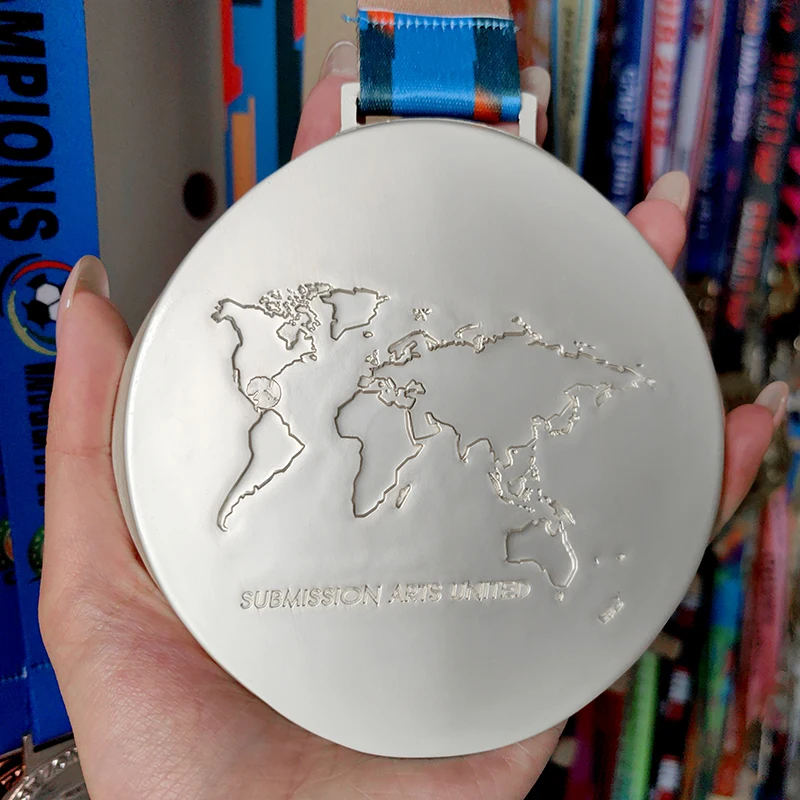
The decision to invest in high-quality metal medals reflects an organization's commitment to excellence and attention to detail. Unlike cheaper alternatives, metal awards convey a sense of permanence and importance that resonates with recipients long after the ceremony concludes. These tangible symbols of achievement serve as powerful motivators, encouraging continued excellence while reinforcing the organization's brand values and commitment to recognizing outstanding performance.
The Superior Craftsmanship of Metal Medal Construction
Advanced Manufacturing Processes
Modern metal medals undergo sophisticated manufacturing processes that ensure exceptional quality and consistency across large production runs. Die-casting techniques allow for intricate detail reproduction, enabling complex logos, text, and imagery to be perfectly rendered on each award. The precision of these manufacturing methods ensures that every recipient receives an award of identical quality, maintaining the integrity and professionalism of the recognition program.
The multi-step finishing process typically includes polishing, plating, and protective coating applications that enhance both appearance and longevity. Advanced electroplating techniques can achieve various finishes including gold, silver, copper, and bronze, allowing organizations to create hierarchical award systems that clearly distinguish different levels of achievement. These finishing processes also provide corrosion resistance, ensuring that metal medals maintain their appearance even after years of handling and display.
Material Selection and Quality Control
Premium metal medals utilize high-grade alloys specifically chosen for their durability, workability, and aesthetic properties. Common base materials include brass, zinc alloy, and iron, each offering distinct advantages in terms of weight, detail reproduction, and cost-effectiveness. The selection of appropriate materials depends on the specific requirements of the award program, including budget considerations, design complexity, and desired longevity.
Quality control measures throughout the manufacturing process ensure consistent results and minimize defects. Each batch undergoes inspection for dimensional accuracy, surface quality, and plating adherence. These rigorous quality standards are essential for maintaining the reputation of both the medal manufacturer and the organization presenting the awards, as recipients expect nothing less than perfection from premium recognition programs.
Design Versatility and Customization Options
Custom Design Capabilities
One of the most compelling advantages of metal medals is their exceptional design flexibility. Advanced manufacturing techniques enable the creation of highly detailed custom designs that incorporate organizational logos, specific imagery, text, and even three-dimensional elements. This customization capability allows organizations to create unique awards that perfectly align with their brand identity and the specific nature of the achievement being recognized.
The design process typically begins with digital artwork creation, followed by prototype development and approval cycles. Modern computer-aided design tools enable designers to create incredibly detailed medal designs that would have been impossible to produce just a few decades ago. This design sophistication allows organizations to create awards that are not only functional recognition tools but also artistic expressions that reflect the organization's values and aesthetic preferences.
Personalization and Individual Recognition
Beyond organizational branding, metal medals can incorporate individual personalization elements such as recipient names, achievement dates, specific accomplishments, and serial numbers. This level of personalization transforms a generic award into a unique keepsake that holds special meaning for each recipient. Engraving technologies enable precise text reproduction even on relatively small medal surfaces, ensuring readability and professional appearance.
The ability to create personalized metal medals enhances the emotional impact of the recognition ceremony and increases the likelihood that recipients will treasure and display their awards. This personalization also serves practical purposes, such as preventing unauthorized redistribution of awards and maintaining accurate records of recognition program participants over time.
Durability and Long-Term Value Proposition
Physical Resilience and Longevity
The inherent durability of metal medals represents one of their most significant advantages over alternative award materials. Properly manufactured metal awards can withstand decades of handling, display, and even occasional drops without sustaining damage. This resilience ensures that the recognition value of the award persists long after the initial presentation ceremony, serving as a permanent reminder of the recipient's achievement.
Environmental factors that quickly degrade paper certificates or plastic awards have minimal impact on quality metal medals. Temperature fluctuations, humidity, and UV exposure do not significantly affect properly finished metal awards, making them suitable for display in various environments. This durability is particularly important for awards that may be displayed in offices, homes, or public spaces where environmental control is limited.
Investment Return and Cost Effectiveness
While metal medals typically require a higher initial investment compared to paper certificates or plastic alternatives, their superior longevity and impact often provide better long-term value. The permanent nature of metal awards means that recipients are more likely to retain and display them, extending the recognition program's impact far beyond the presentation ceremony. This extended visibility can enhance organizational reputation and demonstrate ongoing commitment to excellence.
The perceived value of metal medals also contributes to their cost-effectiveness by increasing recipient satisfaction and motivation. Employees, athletes, or participants who receive high-quality metal awards often feel more valued and appreciated, potentially leading to improved performance, retention, and organizational loyalty. These indirect benefits can significantly outweigh the additional cost of premium award materials.
Psychological Impact and Recognition Effectiveness
Tangible Achievement Representation
The physical weight and substantial feel of metal medals contribute significantly to their psychological impact on recipients. Unlike lightweight alternatives, quality metal awards provide a tactile experience that reinforces the importance and permanence of the achievement being recognized. This physical presence serves as a constant reminder of success and can motivate continued excellence in future endeavors.
Research in organizational psychology suggests that tangible recognition items have greater motivational impact than purely ceremonial or digital alternatives. The act of holding and examining a well-crafted metal medal creates a multi-sensory experience that strengthens memory formation and emotional connection to the achievement. This enhanced psychological impact translates into more effective recognition programs and improved participant satisfaction.
Social and Professional Prestige
Metal medals carry inherent prestige that enhances their effectiveness as recognition tools. The traditional association of metal awards with high-level achievements, from Olympic competition to military honors, lends credibility and importance to any recognition program that utilizes them. Recipients understand the significance of receiving a metal award and often take greater pride in achievements recognized with premium materials.
The display value of metal medals also contributes to their recognition effectiveness by enabling recipients to share their achievements with colleagues, friends, and family members. A prominently displayed metal award serves as a conversation starter and allows recipients to discuss their accomplishments in natural, non-boastful ways. This social aspect of recognition extends the program's impact beyond the immediate recipient to influence broader organizational culture and external perceptions.
Applications Across Industries and Organizations
Corporate Recognition Programs
Modern corporate environments increasingly recognize the importance of employee recognition in maintaining engagement, reducing turnover, and driving performance. Metal medals serve as excellent recognition tools for various corporate achievement categories, including sales milestones, safety records, innovation contributions, and service anniversaries. The professional appearance and substantial feel of metal awards align well with corporate values of quality and excellence.
Corporate applications of metal medals often incorporate sophisticated design elements that reflect company branding and values. Executive leadership teams frequently choose metal awards for their most important recognition programs because they convey appropriate gravitas and demonstrate organizational commitment to quality. The durability of metal medals also ensures that corporate recognition investments continue providing value long after the initial presentation.
Educational and Academic Recognition
Educational institutions from elementary schools to universities utilize metal medals to recognize student achievements across academic, athletic, and extracurricular categories. The traditional association of metal awards with academic excellence makes them particularly appropriate for educational recognition programs. Students who receive metal medals often display them prominently, serving as inspiration for continued achievement and peer motivation.
Academic metal medals can commemorate specific achievements such as graduation honors, research contributions, athletic performance, and community service. The ability to customize designs allows educational institutions to create unique awards that reflect their identity and values while maintaining the premium feel that metal construction provides. These awards often become treasured keepsakes that recipients retain throughout their careers.
Manufacturing and Procurement Considerations
Quality Standards and Specifications
Organizations planning to invest in metal medals should establish clear quality standards and specifications to ensure consistent results. Key considerations include material composition, dimensional tolerances, finish quality, and attachment hardware specifications. Working with experienced manufacturers who understand these requirements helps ensure that final products meet expectations and maintain consistency across production runs.
Quality specifications should also address packaging and delivery requirements to ensure that metal medals arrive in perfect condition for presentation ceremonies. Proper packaging protects the finish and prevents damage during shipping, while organized delivery schedules help ensure that awards are available when needed. These logistical considerations are particularly important for large-scale recognition programs with specific timing requirements.
Lead Times and Production Planning
The sophisticated manufacturing processes required for high-quality metal medals typically require longer lead times than simpler alternatives. Organizations should plan recognition programs well in advance to accommodate design development, prototype approval, and production scheduling. Rush orders may be possible but often incur additional costs and may compromise quality standards.
Effective production planning also considers seasonal demand fluctuations that may affect manufacturer capacity and delivery schedules. Many recognition programs occur at predictable times of year, creating peak demand periods that require early planning to secure production slots. Organizations with ongoing recognition needs may benefit from establishing long-term supplier relationships that provide priority scheduling and consistent pricing.
FAQ
What materials are commonly used in metal medal construction
Metal medals are typically constructed from zinc alloy, brass, or iron base materials, each offering different advantages in terms of weight, detail reproduction, and cost. Zinc alloy provides excellent detail capability and moderate weight, while brass offers superior durability and premium feel. Iron-based medals are often the most cost-effective option while still providing substantial durability and professional appearance. The choice of base material depends on budget considerations, design requirements, and desired longevity.
How long does the typical metal medal manufacturing process take
Standard metal medal production typically requires 2-4 weeks from final design approval to completion, depending on quantity, complexity, and manufacturer capacity. This timeline includes die creation, casting, finishing, quality control, and packaging processes. Custom designs may require additional time for prototype development and approval cycles. Organizations should plan recognition programs well in advance to accommodate these lead times and avoid rush charges that may compromise quality or increase costs.
Can metal medals be recycled or repurposed if no longer needed
Yes, metal medals can be recycled through standard metal recycling processes, making them an environmentally responsible choice for recognition programs. The metal content retains value even after the award's ceremonial purpose has ended. Some organizations choose to have old medals melted down and recast into new awards, creating a symbolic connection between past and present achievements. This recyclability represents an additional advantage of metal awards over plastic or composite alternatives that may not be easily recyclable.
What finishing options are available for metal medals
Metal medals can receive various finishing treatments including gold, silver, copper, bronze, and antique plating options. Additional finishing techniques include sandblasting for textured surfaces, enamel fill for color accents, and protective clear coating for enhanced durability. Multiple finish combinations can be applied to single medals to create sophisticated visual effects and highlight specific design elements. The choice of finishing options should align with organizational branding requirements and the specific recognition program's prestige level.