 EN
EN
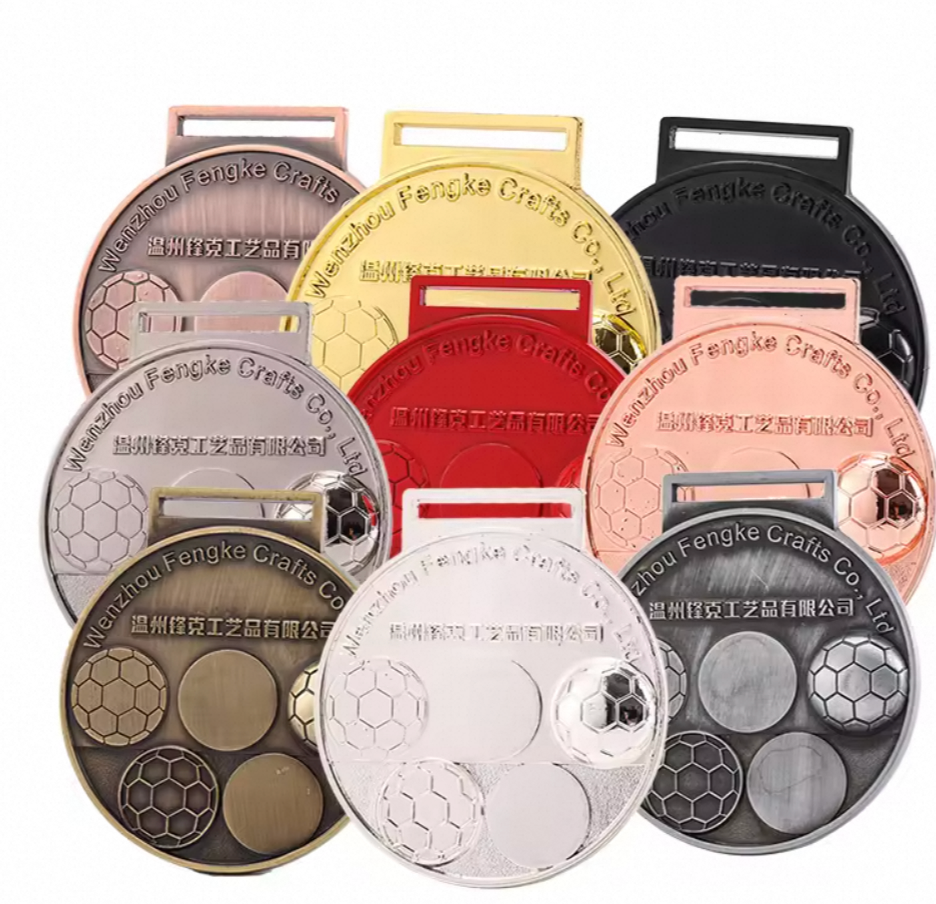
In today's competitive global marketplace, sourcing high-quality custom medals requires careful consideration of manufacturing standards, material specifications, and supplier reliability. Professional buyers understand that medal quality directly impacts brand reputation, recipient satisfaction, and long-term value retention. Whether procuring awards for corporate recognition programs, athletic competitions, or commemorative events, understanding comprehensive quality standards ensures successful procurement decisions and exceptional end-user experiences.
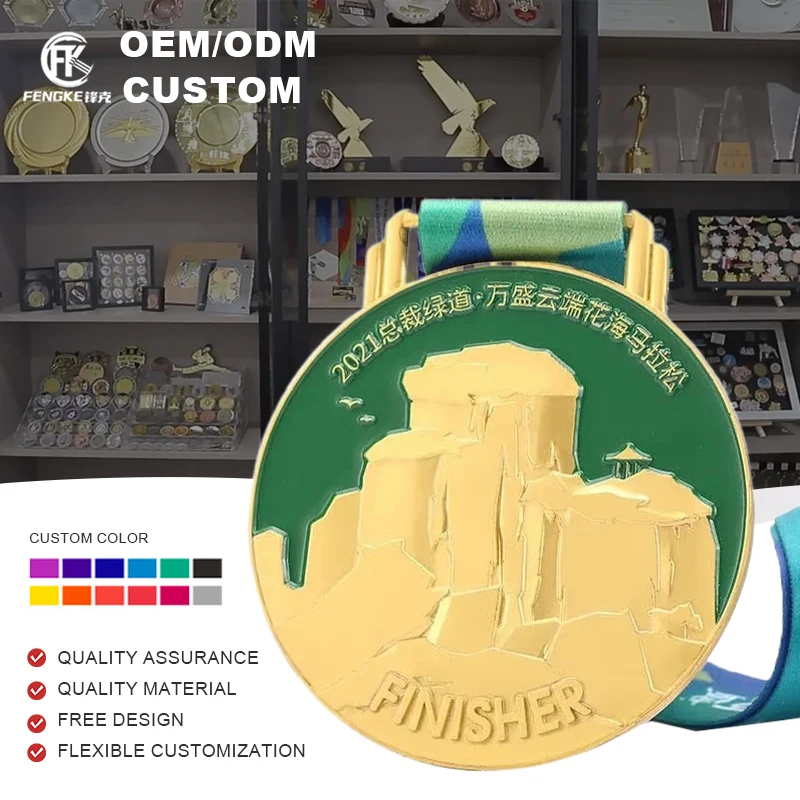
Material Composition and Durability Standards
Metal Alloy Specifications for Premium Awards
Professional custom medals demand precise metal alloy compositions to ensure durability, aesthetic appeal, and resistance to tarnishing. Zinc alloy remains the most popular choice for cost-effective production, offering excellent detail reproduction and moderate weight characteristics. Premium applications often utilize brass or bronze compositions, providing superior corrosion resistance and enhanced perceived value. High-end custom medals may incorporate precious metal plating, including gold, silver, or antique finishes that maintain their lustrous appearance over extended periods.
Manufacturing quality control processes must verify alloy purity levels, tensile strength measurements, and surface hardness ratings. Reputable suppliers conduct batch testing to ensure consistent material properties across large production runs. Quality custom medals should withstand standard drop tests, temperature cycling, and humidity exposure without structural compromise or surface deterioration.
Surface Treatment and Finishing Requirements
Surface finishing techniques significantly impact the longevity and appearance of custom medals. Electroplating processes require specific thickness measurements, typically ranging from 0.5 to 3 microns depending on the intended application environment. Quality control procedures should include adhesion testing, color consistency verification, and accelerated aging protocols to predict long-term performance characteristics.
Professional finishing options include sandblasting for textured surfaces, polishing for mirror-like reflectivity, and specialized coatings for outdoor applications. Each finishing technique requires different quality verification methods and acceptance criteria. Buyers should specify finishing requirements clearly and request sample approval before authorizing full production runs of their custom medals.
Design Precision and Manufacturing Tolerances
Dimensional Accuracy and Consistency
Precision manufacturing of custom medals requires strict adherence to dimensional tolerances, typically maintained within ±0.1mm for critical features. Professional die-casting or stamping processes ensure consistent thickness, diameter, and edge definition across entire production batches. Quality assurance protocols should include statistical sampling, coordinate measuring machine verification, and visual inspection procedures to maintain manufacturing consistency.
Edge finishing quality directly impacts the professional appearance of custom medals. Sharp edges, burrs, or inconsistent beveling indicate inadequate manufacturing controls and potential safety hazards. Premium suppliers utilize automated deburring equipment and multi-stage polishing processes to achieve consistent edge quality throughout production runs.
Detail Resolution and Surface Definition
High-quality custom medals require exceptional detail resolution capability, particularly for intricate logos, text elements, and decorative features. Modern manufacturing techniques should achieve minimum feature sizes of 0.2mm with clear definition and sharp transitions. Die quality, pressing pressure, and material flow characteristics all influence final detail reproduction quality.
Text legibility represents a critical quality parameter for custom medals, requiring appropriate font selection, sizing, and depth specifications. Industry best practices recommend minimum text heights of 1.5mm for optimal readability, with raised or recessed depths of at least 0.3mm. Quality control procedures should verify text clarity, spelling accuracy, and consistent depth throughout production batches.
Quality Assurance and Testing Protocols
Manufacturing Process Validation
Comprehensive quality assurance for custom medals begins with supplier qualification and manufacturing process validation. Professional suppliers maintain documented quality management systems, often certified to ISO 9001 standards, ensuring consistent production methodologies and traceability throughout the manufacturing process. Process validation includes equipment calibration, operator training verification, and statistical process control implementation.
Incoming material inspection procedures verify raw material specifications, including chemical composition analysis, mechanical property testing, and surface quality assessment. These quality gates prevent defective materials from entering the production stream and compromising final custom medals quality. Documentation and certificate of analysis requirements ensure material traceability and compliance verification.
Final Inspection and Acceptance Criteria
Final inspection protocols for custom medals should encompass dimensional verification, surface quality assessment, and functional testing procedures. Visual inspection standards must define acceptable limits for surface defects, color variation, and finishing inconsistencies. Sampling plans typically follow military standards or industry-specific protocols, ensuring statistically valid quality assessment across production lots.
Packaging quality represents an often-overlooked aspect of custom medals procurement. Professional packaging protects medals during shipping, prevents scratching or tarnishing, and enhances presentation value. Quality suppliers utilize appropriate protective materials, cushioning systems, and moisture barriers to maintain product integrity throughout the distribution chain.
Supplier Evaluation and Selection Criteria
Manufacturing Capability Assessment
Evaluating potential suppliers for custom medals requires comprehensive assessment of manufacturing capabilities, quality systems, and production capacity. Site audits provide valuable insights into equipment condition, process control maturity, and workforce competency levels. Professional buyers should evaluate tooling capabilities, secondary processing equipment, and quality testing infrastructure during supplier selection processes.
Production capacity analysis ensures suppliers can meet delivery requirements without compromising quality standards. Rush orders or capacity constraints often result in quality compromises, making capacity planning essential for successful custom medals procurement. Backup supplier qualification provides risk mitigation and supply chain resilience for critical applications.
Quality Management System Evaluation
Quality management system maturity significantly impacts the consistency and reliability of custom medals production. Suppliers with documented procedures, calibrated equipment, and trained personnel demonstrate commitment to quality excellence. Certification to recognized standards provides third-party validation of quality system effectiveness and continuous improvement commitment.
Communication protocols and responsiveness indicators reveal supplier partnership potential and problem-solving capabilities. Professional suppliers provide proactive updates, technical support, and collaborative design assistance throughout the custom medals development process. These service characteristics often differentiate superior suppliers from commodity-focused competitors.
Cost Optimization Without Quality Compromise
Value Engineering Approaches
Effective cost optimization for custom medals requires value engineering analysis that maintains quality standards while reducing unnecessary expenses. Design simplification, material substitution, and process optimization can significantly reduce costs without compromising functional requirements or aesthetic appeal. Collaborative supplier relationships enable innovative solutions that benefit both parties while maintaining quality excellence.
Volume consolidation strategies can achieve economies of scale while maintaining quality standards for custom medals. Combining multiple design variants, standardizing common elements, and optimizing production scheduling reduces per-unit costs through improved manufacturing efficiency. These strategies require careful planning and supplier coordination to maximize benefits.
Long-term Partnership Benefits
Establishing long-term supplier relationships for custom medals procurement provides numerous quality and cost advantages. Suppliers invest in process improvements, tooling optimization, and quality enhancements when assured of ongoing business relationships. These investments ultimately benefit buyers through improved quality, reduced costs, and enhanced service levels.
Collaborative improvement programs enable continuous enhancement of custom medals quality and manufacturing efficiency. Regular performance reviews, quality metrics tracking, and joint problem-solving initiatives create mutually beneficial partnerships that drive excellence throughout the supply chain. These relationships provide competitive advantages and risk mitigation for critical applications.
FAQ
What are the most important quality factors to consider when sourcing custom medals
The most critical quality factors for custom medals include material composition and durability, surface finishing consistency, dimensional accuracy, and detail resolution capability. Professional buyers should also evaluate supplier quality management systems, manufacturing process validation, and inspection protocols. These factors directly impact product longevity, appearance, and recipient satisfaction, making them essential considerations during supplier selection and specification development.
How can buyers verify the quality of custom medals before full production
Quality verification for custom medals should begin with sample approval, including dimensional measurement, material testing, and surface quality assessment. Buyers should request first article inspection reports, material certificates, and process capability studies from potential suppliers. Site audits, quality system reviews, and reference checks provide additional validation of supplier capabilities and commitment to quality excellence.
What quality standards should be specified in custom medals procurement contracts
Procurement contracts for custom medals should specify material composition requirements, dimensional tolerances, surface finishing standards, and inspection procedures. Quality management system requirements, documentation standards, and corrective action procedures ensure accountability and continuous improvement. Packaging requirements, delivery conditions, and warranty terms protect buyers and ensure product integrity throughout the supply chain.
How do material choices impact the long-term quality of custom medals
Material selection significantly influences the durability, appearance retention, and corrosion resistance of custom medals. Higher-grade alloys provide superior mechanical properties and longevity but increase production costs. Surface treatments and plating options affect tarnish resistance and aesthetic appeal over time. Professional buyers must balance initial costs against long-term performance requirements to optimize value and recipient satisfaction for their custom medals applications.
Table of Contents
- Material Composition and Durability Standards
- Design Precision and Manufacturing Tolerances
- Quality Assurance and Testing Protocols
- Supplier Evaluation and Selection Criteria
- Cost Optimization Without Quality Compromise
-
FAQ
- What are the most important quality factors to consider when sourcing custom medals
- How can buyers verify the quality of custom medals before full production
- What quality standards should be specified in custom medals procurement contracts
- How do material choices impact the long-term quality of custom medals