 EN
EN
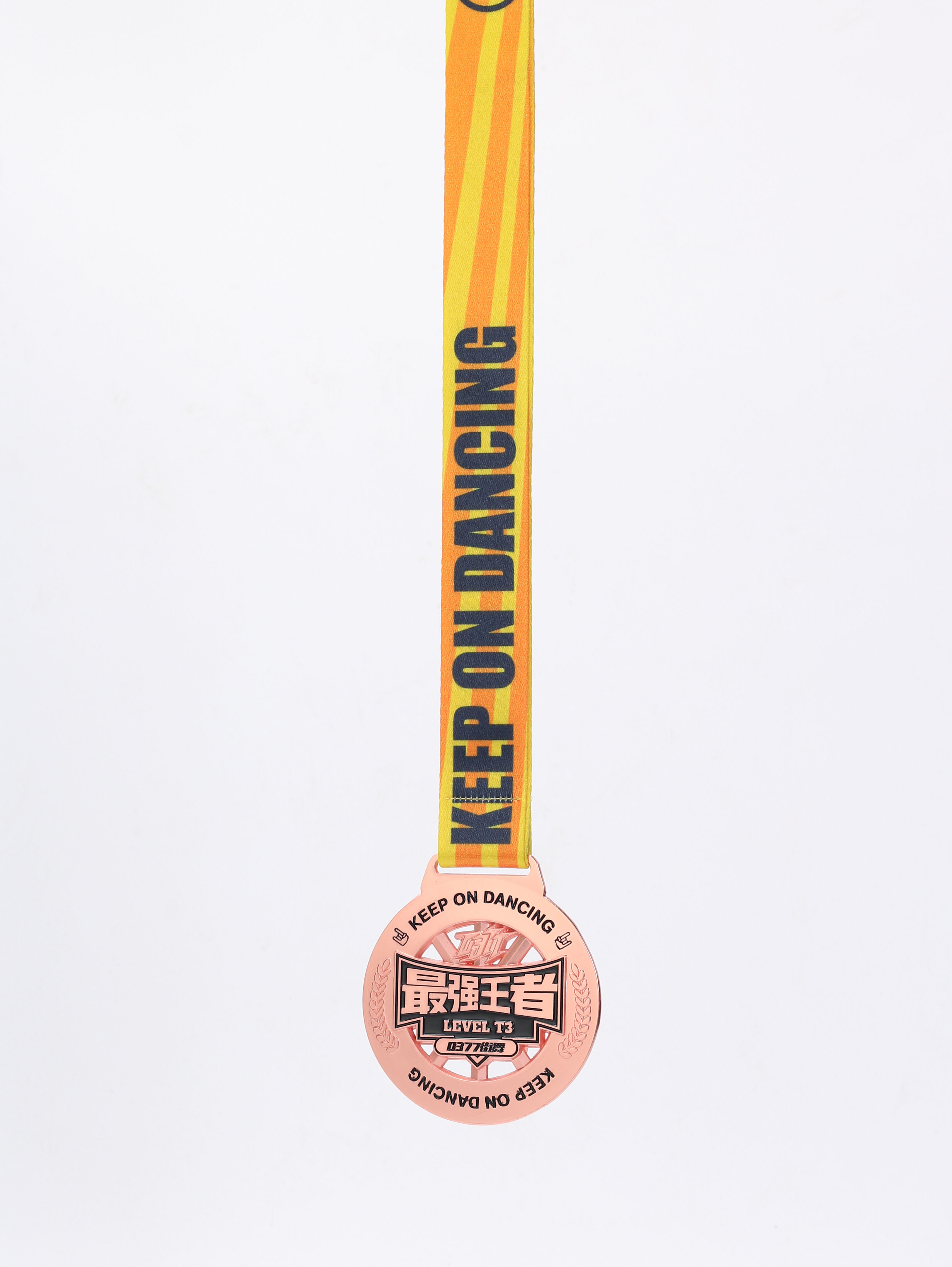
The souvenir industry has evolved significantly over the past decade, with consumers increasingly seeking high-quality, lasting mementos that capture their experiences and memories. Among the various materials available for souvenir production, metal stands out as the superior choice for creating lasting impressions. Durable metal crafts offer unmatched longevity, aesthetic appeal, and versatility that plastic, wood, or fabric alternatives simply cannot match. Whether commemorating a special event, celebrating corporate achievements, or marking tourist destinations, metal crafts provide the perfect balance of functionality and sentimentality that modern consumers demand.
Material Properties and Longevity Advantages
Corrosion Resistance and Weather Protection
Metal crafts designed for souvenir purposes undergo specialized treatments that enhance their resistance to environmental factors. Advanced coating technologies, including electroplating and anodization processes, create protective barriers that prevent oxidation and corrosion. These treatments ensure that metal souvenirs maintain their original appearance even when exposed to humidity, temperature fluctuations, and handling over extended periods. The protective coatings used in modern manufacturing can withstand decades of exposure without significant degradation.
Unlike organic materials that may deteriorate, crack, or fade over time, properly treated metals retain their structural integrity and visual appeal. This durability makes them ideal for items intended to preserve memories for years or even generations. The investment in quality metal crafts pays dividends in terms of longevity, ensuring that the sentimental value of the souvenir remains intact throughout its lifespan.
Structural Integrity and Impact Resistance
The inherent strength of metal materials provides exceptional resistance to physical damage that commonly affects other souvenir materials. Metal crafts can withstand drops, impacts, and pressure without breaking or permanently deforming. This robustness is particularly valuable for items that may be transported frequently or handled by multiple people. The molecular structure of metals allows them to maintain their shape and function even under stress conditions that would destroy alternatives made from glass, ceramic, or plastic.
Manufacturing processes for durable metal crafts incorporate precision engineering techniques that optimize material distribution and stress points. Advanced alloy compositions and heat treatment processes further enhance the mechanical properties, creating souvenirs that can endure both everyday use and occasional mishandling without compromising their appearance or functionality.
Design Flexibility and Customization Options
Precision Manufacturing Capabilities
Modern metalworking technologies enable the creation of intricate designs with exceptional detail and precision. Computer-controlled machining, laser engraving, and stamping processes allow manufacturers to reproduce complex artwork, text, and three-dimensional features with microscopic accuracy. These capabilities surpass what is achievable with many other materials, particularly for fine details and sharp edges that define professional-quality souvenirs.
The precision possible with metal fabrication extends to dimensional consistency across large production runs. Each piece can be manufactured to exact specifications, ensuring uniformity in size, weight, and appearance regardless of order quantity. This consistency is crucial for commercial applications where brand standards must be maintained across multiple distribution channels and geographic locations.
Surface Treatment and Finishing Versatility
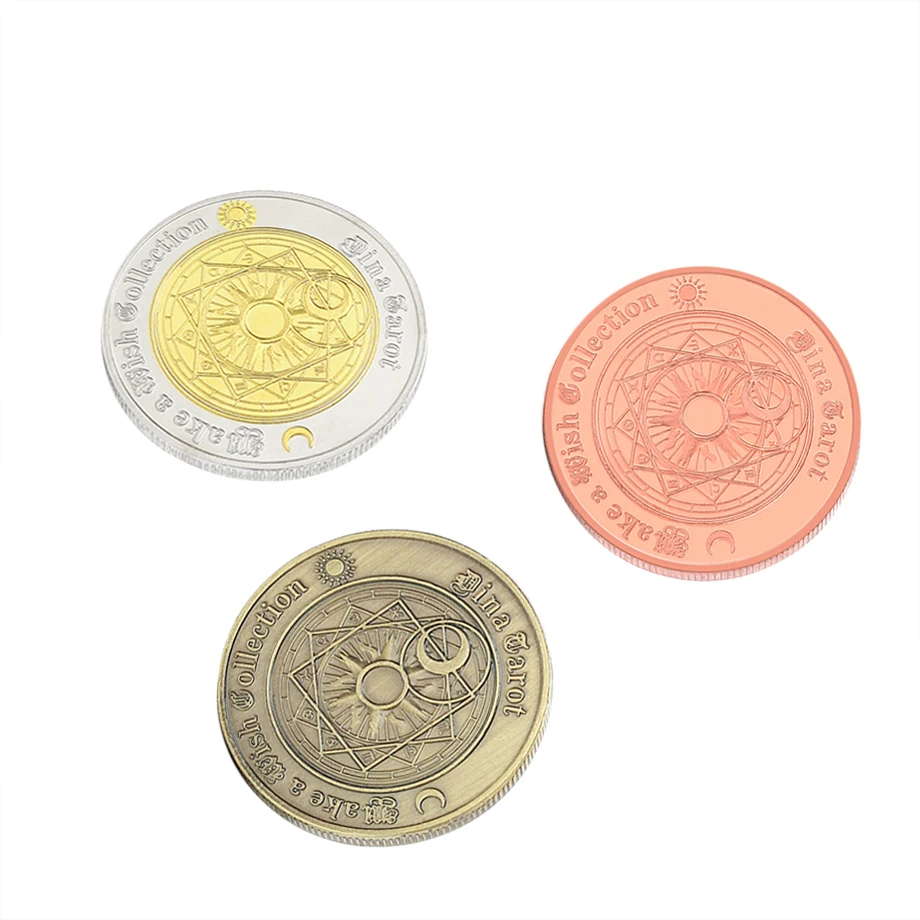
Metal surfaces accept a wide variety of finishing techniques that enhance both aesthetics and functionality. Polishing, brushing, texturing, and patination create diverse visual effects that can match any design requirement or brand identity. Color applications through powder coating, anodizing, or enamel work provide virtually unlimited color options while maintaining the underlying durability of the metal substrate.
Multi-layer finishing processes can combine different techniques to create unique visual effects impossible with other materials. For example, selective polishing combined with controlled oxidation can produce striking contrast patterns that highlight specific design elements. These sophisticated finishing options allow designers to create souvenirs that stand out in competitive retail environments while maintaining their premium appearance over time.
Economic Value and Market Appeal
Cost-Effectiveness Over Time
While the initial investment in durable metal crafts may be higher than alternatives, the total cost of ownership typically favors metal options when longevity is considered. The extended lifespan of metal souvenirs reduces replacement costs and maintains customer satisfaction over time. This economic advantage becomes more pronounced in applications where durability directly affects the perceived value of the souvenir.
Production efficiency in metal crafts manufacturing has improved significantly with automation and optimized processes. Large-scale production capabilities reduce per-unit costs while maintaining quality standards. The ability to produce consistent results across high-volume orders makes metal crafts economically viable for both small specialty runs and large commercial distributions.
Premium Market Positioning
Consumer perception of metal souvenirs consistently ranks higher than plastic or composite alternatives in terms of quality and value. The tactile experience of holding a well-crafted metal item conveys substance and permanence that translates into higher perceived value. This perception advantage allows retailers to command premium pricing while maintaining strong sales volumes.
Market research indicates that consumers are willing to invest more in souvenirs that they perceive as durable and meaningful. Metal crafts align perfectly with this preference, offering tangible quality that justifies higher price points. The premium positioning also enhances brand image for organizations that choose metal souvenirs for corporate gifts or promotional items.
Environmental Considerations and Sustainability
Recyclability and Resource Efficiency
Metal materials offer superior environmental sustainability compared to many alternatives due to their high recyclability rates. Most metals used in craft production can be recycled indefinitely without losing their essential properties. This characteristic supports circular economy principles and reduces the environmental impact of souvenir production over time. The recycling infrastructure for metals is well-established globally, making end-of-life processing accessible and economically viable.
Resource efficiency in metal production has improved through technological advances and optimized supply chains. Modern smelting and refining processes minimize waste and energy consumption while maximizing material yield. These improvements reduce the overall environmental footprint of durable metal crafts while maintaining the quality standards that consumers expect.
Longevity Impact on Waste Reduction
The extended lifespan of metal souvenirs significantly reduces waste generation compared to disposable or short-lived alternatives. By lasting decades rather than years, metal crafts effectively reduce the frequency of replacement purchases and the associated environmental impact of repeated manufacturing cycles. This longevity factor becomes increasingly important as consumers and businesses prioritize sustainability in their purchasing decisions.
Durable metal crafts also reduce packaging and transportation impacts over time by eliminating the need for frequent replacements. The initial environmental investment in production and distribution is amortized over a much longer period, resulting in lower per-year environmental impact compared to less durable alternatives.
Applications and Industry Use Cases
Tourism and Hospitality Sector
Tourism destinations increasingly rely on high-quality souvenirs to create lasting impressions and encourage repeat visits. Metal crafts serve as effective marketing tools that maintain their promotional value long after the initial purchase. Hotels, museums, and tourist attractions use custom metal items to differentiate their merchandise offerings and create premium gift options that reflect their brand quality.
The durability of metal souvenirs ensures that they continue to promote the destination or attraction long after the visitor returns home. This extended promotional life provides ongoing marketing value that justifies the initial investment in quality materials and manufacturing. Regional tourism boards often prefer metal crafts for official merchandise due to their ability to maintain appearance and functionality regardless of climate conditions.
Corporate and Institutional Markets
Corporate organizations favor durable metal crafts for employee recognition programs, client gifts, and promotional campaigns due to their professional appearance and longevity. The substantial feel and premium finish of metal items convey respect and appreciation more effectively than plastic or paper alternatives. This psychological impact is crucial for maintaining positive business relationships and reinforcing corporate values.
Institutional buyers appreciate the consistency and quality control possible with metal manufacturing processes. Large orders can be produced with minimal variation in quality, ensuring that every recipient receives an item of identical standard. This reliability is essential for corporate applications where brand image and professional standards must be maintained across diverse recipient groups.
FAQ
How long do metal craft souvenirs typically last compared to other materials
Metal craft souvenirs generally last 20-50 years or more with proper care, significantly outlasting plastic items that may deteriorate within 5-10 years. The exact lifespan depends on the specific metal alloy used, protective coatings applied, and environmental conditions. High-quality treated metals can maintain their appearance and functionality for generations, making them excellent heirloom pieces. In contrast, materials like wood may warp or crack within a few years, while fabric items often fade or wear out much more quickly.
What metals are most commonly used for durable souvenir production
The most popular metals for souvenir crafts include aluminum, brass, stainless steel, and zinc alloys, each offering specific advantages for different applications. Aluminum provides excellent corrosion resistance and lightweight properties, while brass offers classic aesthetics with good durability. Stainless steel delivers maximum corrosion resistance for harsh environments, and zinc alloys enable intricate detail work at competitive costs. The choice depends on factors like budget, desired appearance, expected use conditions, and manufacturing requirements.
Are metal souvenirs more expensive to produce than plastic alternatives
Initial production costs for metal souvenirs are typically higher than plastic alternatives, but the total cost of ownership often favors metal when longevity is considered. While setup costs and material expenses are greater, metal items last much longer and maintain their value better over time. For businesses, the premium pricing that metal souvenirs can command often offsets the higher production costs. Additionally, bulk production efficiencies and automated manufacturing processes have reduced the cost gap between metal and plastic options significantly in recent years.
Can metal craft souvenirs be customized for small order quantities
Modern manufacturing techniques make customization of metal craft souvenirs feasible even for small quantities, though minimum order requirements vary by manufacturer and complexity. Digital engraving and laser cutting technologies enable cost-effective personalization for orders as small as 50-100 pieces. While unit costs are higher for smaller quantities due to setup expenses, the ability to create unique, personalized items often justifies the premium. Many manufacturers offer tiered pricing structures that make small custom orders economically viable for special events or limited edition releases.