 EN
EN
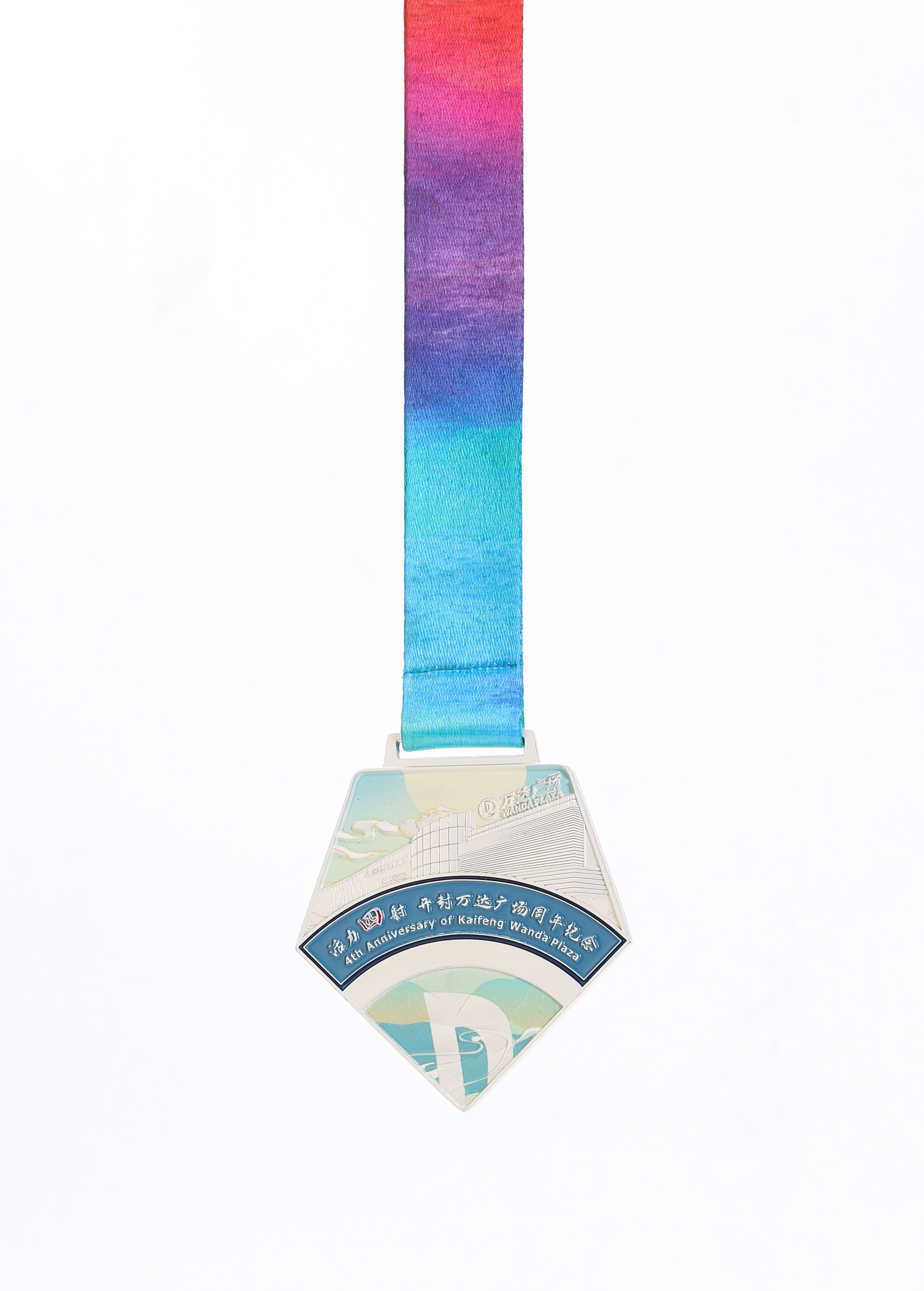
International sporting events demand excellence in every detail, from athlete performance to ceremonial presentations. The design and production of custom sports medals represents a crucial element that captures the spirit of competition while honoring achievement. Creating medals for global competitions requires careful consideration of cultural sensitivities, technical specifications, and manufacturing capabilities that meet international standards. Professional medal designers must balance aesthetic appeal with functional durability, ensuring each piece reflects the prestige of the event while maintaining cost-effective production methods.
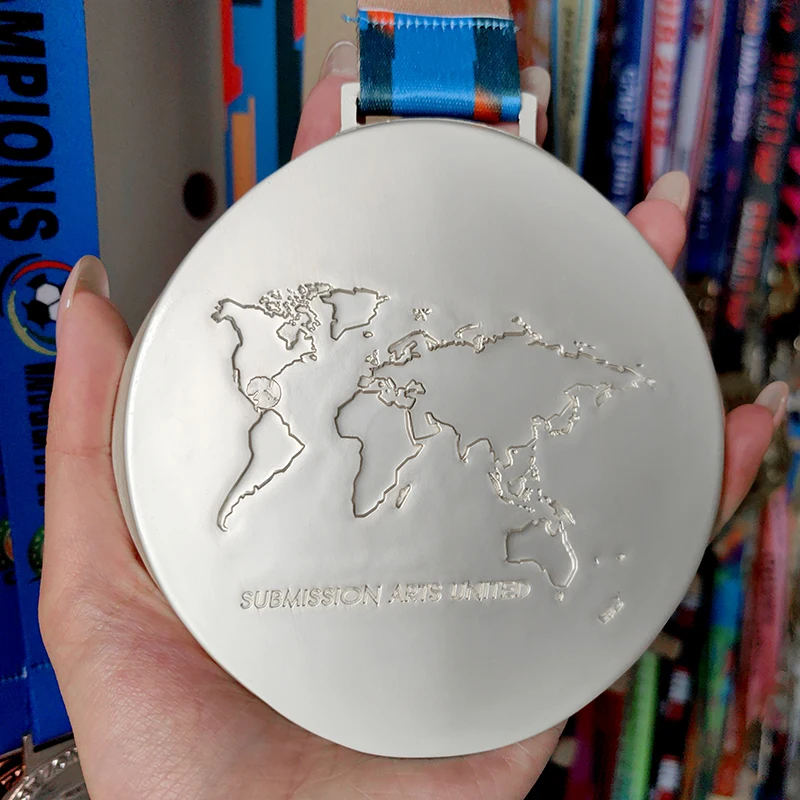
Understanding International Design Standards
Regulatory Compliance for Global Events
International sporting organizations maintain strict guidelines for medal specifications that must be followed during the design process. The International Olympic Committee and various federation bodies establish dimensional requirements, material standards, and design restrictions that apply to official competitions. These regulations ensure consistency across different events while maintaining the integrity of the awards system. Medal designers must research specific requirements for each governing body, as standards can vary significantly between organizations and competition levels.
Weight specifications typically range from 500 to 700 grams for major competitions, with diameter measurements standardized at 85 millimeters for most international events. Thickness requirements usually fall between 7 to 12 millimeters, depending on the medal category and event prestige. Material composition guidelines specify minimum precious metal content for gold and silver categories, while bronze medals must meet specific alloy requirements. Understanding these technical parameters early in the design process prevents costly revisions and ensures final approval from governing bodies.
Cultural Sensitivity in Design Elements
Creating medals for international competitions requires deep understanding of cultural symbolism and sensitivity to diverse participant backgrounds. Design elements must avoid religious symbols, political references, or imagery that could be considered offensive to any participating nation. Universal themes such as athletic excellence, unity, and achievement provide safe foundational concepts that resonate across cultures. Color choices should consider cultural meanings, as certain combinations may have negative connotations in specific regions or belief systems.
Typography selection plays a critical role in international medal design, with fonts requiring compatibility across multiple languages and character sets. Latin alphabets must coexist harmoniously with Cyrillic, Arabic, Chinese, and other writing systems when multiple language versions are required. Geometric patterns and abstract designs often provide the most culturally neutral approach while maintaining visual impact. Professional designers frequently consult cultural experts and conduct sensitivity reviews before finalizing international medal concepts.
Design Process and Creative Development
Initial Concept Creation
The creative process begins with comprehensive research into the host location, event history, and organizational values that should be reflected in the medal design. Brainstorming sessions involve multiple stakeholders including event organizers, cultural representatives, and technical specialists who contribute diverse perspectives to the initial concept development. Mood boards and inspiration collections help establish visual direction while ensuring alignment with event branding and sponsor requirements. Multiple concept directions are typically developed to provide options that can be refined based on feedback and technical feasibility.
Sketch development transforms initial ideas into tangible design concepts that can be evaluated and refined through iterative processes. Digital rendering tools allow designers to experiment with surface textures, color variations, and dimensional effects before committing to expensive prototype development. Three-dimensional modeling software enables visualization of how light interacts with raised and recessed design elements, helping optimize visual impact under various lighting conditions. Client presentations typically include multiple concept variations with detailed explanations of design rationale and technical specifications.
Technical Drawing and Specification Development
Converting artistic concepts into manufacturable specifications requires precise technical drawings that communicate every design detail to production teams. Computer-aided design software generates accurate dimensional drawings, cross-sections, and material specifications that eliminate ambiguity during manufacturing. Relief depth calculations ensure that raised elements achieve desired visual prominence while maintaining structural integrity during production processes. Surface finish specifications define texture requirements for different medal areas, from polished highlights to matte background surfaces.
Quality control parameters are established during the specification phase, including dimensional tolerances, surface finish standards, and acceptable variation ranges for mass production. Material specifications detail alloy compositions, plating requirements, and any special treatments needed for durability or appearance enhancement. Production quantity planning influences design complexity decisions, as intricate details may be cost-prohibitive for large-volume runs. Technical documentation packages include assembly instructions for multi-component designs and quality inspection criteria for production oversight.
Manufacturing Considerations for Large-Scale Production
Material Selection and Sourcing
Material choices significantly impact both the aesthetic quality and production cost of custom sports medals for international events. Base metal selection typically involves zinc alloy, brass, or bronze depending on budget requirements and desired weight characteristics. Precious metal plating adds prestige and durability, with gold, silver, and copper finishes requiring specific thickness standards to ensure longevity and tarnish resistance. Supplier qualification involves evaluating material certification, quality consistency, and delivery reliability for large-volume orders.
Sustainable sourcing practices have become increasingly important for international events, with many organizations requiring recycled content verification and responsible mining certifications. Alternative materials such as recycled metals or eco-friendly alloys provide environmentally conscious options without compromising quality or appearance. Supply chain transparency ensures that all materials meet ethical sourcing standards and international trade regulations. Long-term material availability assessments prevent production delays caused by supply shortages or price volatility.
Production Methodology and Quality Control
Die-striking remains the preferred production method for high-quality medals, creating crisp detail reproduction and consistent surface finishes across large production runs. Tooling development requires significant investment but enables cost-effective mass production with superior detail resolution compared to casting methods. Progressive die systems can incorporate multiple finishing operations within a single production sequence, reducing handling and improving dimensional consistency. Production scheduling must account for tooling lead times, material procurement, and finishing processes to meet critical delivery deadlines.
Multi-stage quality inspection protocols ensure that every medal meets international competition standards throughout the production process. Initial material inspections verify alloy composition and surface quality before processing begins. In-process monitoring checks dimensional accuracy, surface finish quality, and plating thickness during various production stages. Final inspection includes comprehensive dimensional verification, visual quality assessment, and packaging integrity checks before shipment. Statistical process control methods help identify trends that could affect quality and enable proactive adjustments to maintain standards.
Customization Options and Personalization Features
Variable Data Integration
Modern medal customization capabilities allow for individual athlete names, event details, and achievement levels to be incorporated into each piece without compromising production efficiency. Laser engraving technology enables precise text addition after the base medal production is complete, allowing for last-minute participant changes or corrections. Variable data systems can automatically generate personalization layouts from databases containing participant information, reducing manual processing time and error rates. Font selection and sizing must accommodate various name lengths and character sets while maintaining legible and aesthetically pleasing results.
Digital printing techniques offer additional customization possibilities including color logos, photographic images, or complex graphics that cannot be achieved through traditional metalworking processes. Sublimation printing on metal substrates provides durable color reproduction that withstands handling and environmental exposure. Hybrid approaches combine traditional metal forming with digital customization elements, creating unique pieces that balance classic medal aesthetics with modern personalization capabilities. Quality control for personalized elements requires individual inspection protocols to verify accuracy and appearance consistency.
Special Finish Options and Enhancement Techniques
Advanced finishing techniques can differentiate medals through unique surface treatments that enhance visual appeal and tactile experience. Antiquing processes create aged appearances that suggest historical significance and tradition. Color filling techniques add vibrant accents to recessed areas using durable enamel or epoxy materials that resist chipping and fading. Texture variations including sandblasting, brushing, or chemical etching create surface contrasts that highlight design elements and improve light reflection characteristics.
Specialty coatings provide both aesthetic enhancement and functional benefits such as improved durability or unique optical effects. PVD coating processes can create rainbow effects, black finishes, or other specialized appearances that distinguish awards for different competition categories. Protective clear coats extend the lifespan of plated surfaces and reduce maintenance requirements for long-term display. Edge treatments including rope borders, diamond cutting, or decorative knurling add sophisticated details that enhance the premium appearance of international competition awards.
Budget Planning and Cost Optimization
Production Volume Economics
Understanding the relationship between production quantity and unit costs is essential for effective budget planning in international medal projects. Tooling costs represent a significant fixed expense that is amortized across the total production run, making larger quantities more cost-effective per unit. Break-even analysis helps determine optimal order quantities that balance inventory carrying costs with manufacturing efficiencies. Price scaling typically shows dramatic per-unit reductions as quantities increase from hundreds to thousands of pieces.
Material costs fluctuate based on commodity prices and can significantly impact total project budgets, particularly for medals requiring precious metal content. Forward contracting strategies help lock in material costs during the planning phase, providing budget certainty and protection against price increases. Alternative material specifications can provide cost savings while maintaining acceptable quality levels for different event categories. Value engineering reviews identify opportunities to reduce costs without compromising essential design elements or quality standards.
Timeline Management and Rush Order Considerations
Project scheduling must account for all phases of the medal development process from initial design through final delivery to ensure timely completion for event dates. Design development typically requires 2-4 weeks depending on complexity and revision cycles. Tooling fabrication adds 3-6 weeks to the timeline and cannot begin until final designs are approved. Production scheduling depends on quantity and finishing requirements, with typical lead times ranging from 4-8 weeks for standard orders.
Rush order capabilities exist for urgent projects but involve significant cost premiums due to overtime labor, expedited shipping, and priority scheduling requirements. Emergency production protocols may require design simplification to meet compressed timelines while maintaining quality standards. Buffer time allocation helps accommodate unexpected delays or changes without jeopardizing critical delivery dates. International shipping considerations add complexity and time requirements, particularly for customs clearance and documentation preparation.
FAQ
What are the minimum order quantities for international competition medals?
Minimum order quantities typically start at 100 pieces for custom medal projects, though some manufacturers may accommodate smaller orders with higher per-unit costs. International competitions usually require hundreds or thousands of medals, making volume pricing more favorable. Tooling costs are amortized across the total quantity, so larger orders result in lower per-piece pricing. Setup fees and design costs may apply regardless of quantity, making smaller orders proportionally more expensive.
How long does the complete medal design and production process take?
Complete timeline from initial concept to finished medal delivery typically ranges from 10-16 weeks for standard projects. Design development requires 2-4 weeks depending on complexity and revision cycles. Tooling fabrication adds 4-6 weeks and cannot begin until designs are finalized. Production time varies from 3-6 weeks based on quantity and finishing requirements. International shipping may add additional time for customs processing and documentation.
Can medals be produced with mixed finishes for different award levels?
Yes, mixed finish options are standard for international competitions requiring gold, silver, and bronze categories. Different plating processes can be applied to the same base design to create distinct award levels. Color variations through anodizing, painting, or enamel filling provide additional differentiation options. Consistent base tooling ensures uniform sizing and design elements across all finish variations while maintaining cost efficiency.
What quality certifications are available for international medal production?
ISO 9001 quality management certification demonstrates systematic quality control processes throughout production. Material certifications verify alloy composition and precious metal content for official competition requirements. RoHS compliance ensures that materials meet international environmental and safety standards. Third-party inspection services can provide additional quality verification and documentation for high-profile international events.