 EN
EN
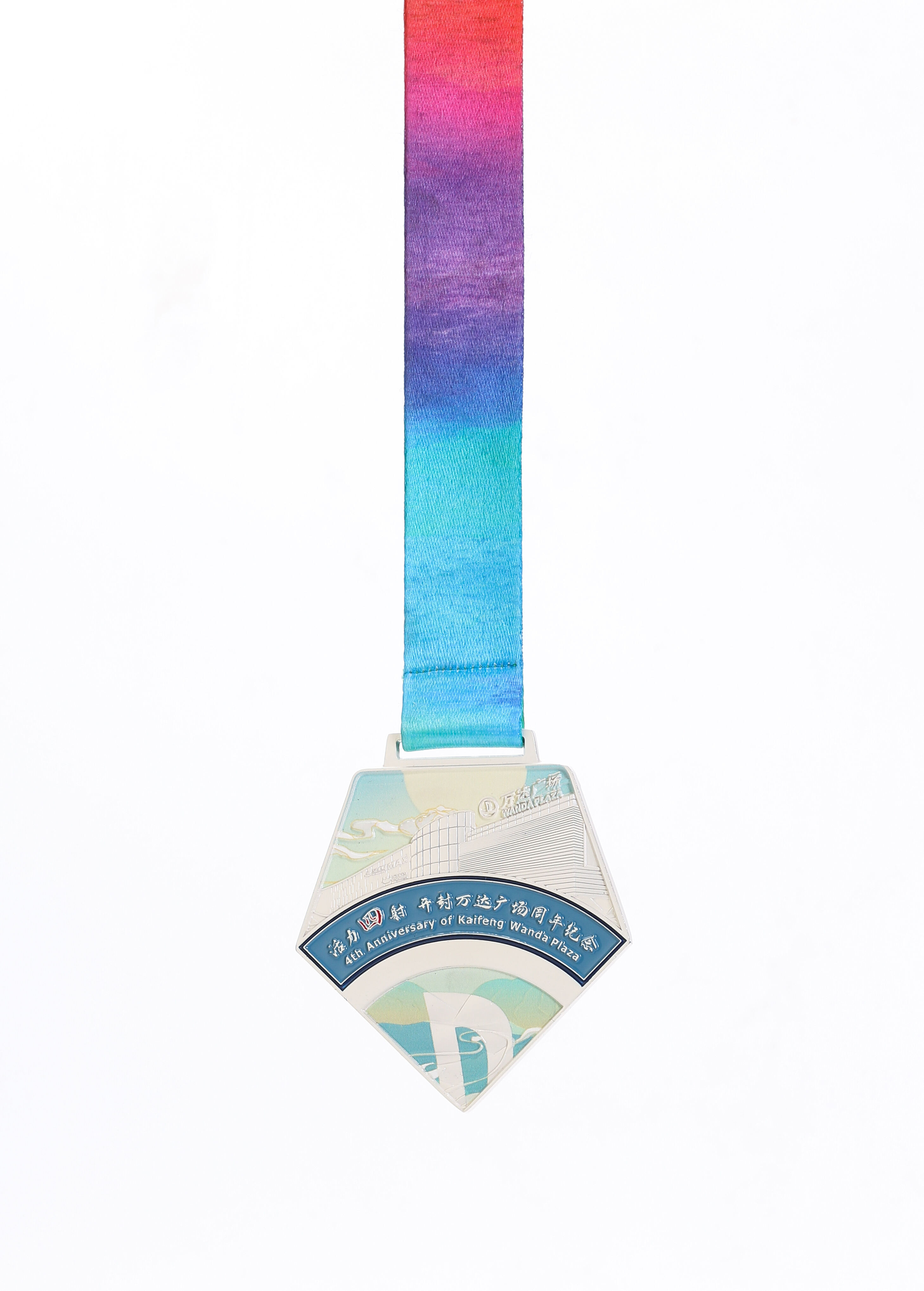
When companies decide to order custom medals for recognition programs, sporting events, or corporate milestones, they often face a critical strategic question: should the priority be placed on design creativity or material quality? This decision is not merely aesthetic—it directly impacts brand perception, recipient satisfaction, budget allocation, and the long-term value of the awards. Understanding how to balance these two elements requires examining the business objectives behind the medal custom order, the context in which medals will be presented, and the expectations of those who will receive them. Companies that approach this decision strategically can create recognition tools that reinforce brand identity while delivering lasting emotional impact.
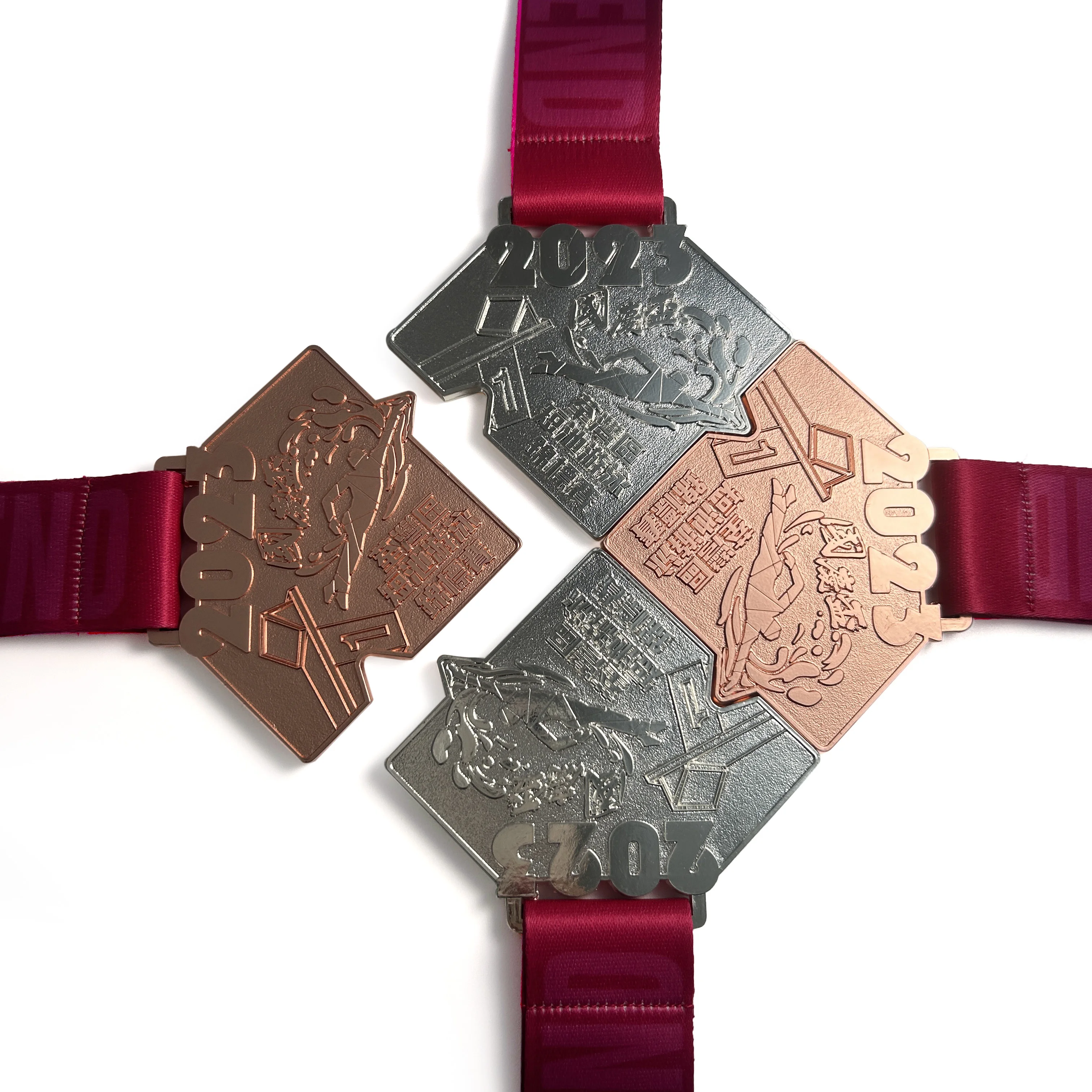
The choice between design and material is rarely binary in practice, yet resource constraints often force companies to emphasize one over the other during the medal custom procurement process. Design encompasses visual identity, symbolic elements, ergonomic considerations, and the emotional narrative embedded in the award's appearance. Material determines physical durability, perceived value, tactile experience, and production cost efficiency. Both dimensions contribute uniquely to how recipients perceive the recognition gesture and how the medal represents the awarding organization over time. This article examines the strategic factors companies must weigh, the contexts that favor design or material emphasis, and how to achieve optimal balance based on specific business goals and stakeholder expectations.
Understanding the Role of Design in Custom Medal Strategy
Design as a Brand Communication Vehicle
Design serves as the primary visual language through which a medal custom communicates organizational values, event identity, and achievement recognition. When companies prioritize design, they invest in creating a unique visual signature that differentiates their awards from generic offerings. Custom design elements—including logo integration, thematic artwork, typography choices, and spatial composition—transform medals from simple tokens into branded artifacts that reinforce corporate identity. For companies with strong visual brand guidelines or those hosting signature events that recur annually, design investment ensures consistency and instant recognition across years and programs.
The strategic value of design becomes particularly evident in competitive or high-visibility contexts. Sports tournaments, industry awards, and academic competitions often rely on distinctive medal custom designs to build prestige and participant aspiration. A well-designed medal creates visual appeal that photographs effectively for social media sharing, extends marketing reach organically, and builds anticipation for future events. Design complexity can also encode achievement levels through color variations, dimensional differences, or symbolic elements that recipients immediately understand. Companies operating in creative industries or targeting younger demographics often find that design innovation resonates more powerfully than material luxury, as the award becomes a conversation piece and identity marker.
Functional and Ergonomic Design Considerations
Beyond aesthetics, design encompasses practical considerations that affect how recipients interact with and display their awards. The shape and size of a medal custom determine comfort when worn, storage convenience, and display feasibility. Ergonomic design ensures that medals hang properly from ribbons without twisting, that edges are smooth enough for safe handling, and that weight distribution prevents discomfort during extended wear at ceremonies. Companies ordering medals for participants who will wear them throughout multi-day events must prioritize design features that enhance comfort without compromising visual impact.
Design also determines technical feasibility and production compatibility. Intricate designs with fine details, deep relief features, or complex multi-component assemblies require advanced manufacturing capabilities and may restrict material options. Companies must balance creative ambition with production reality, ensuring that chosen designs can be reliably manufactured within budget and timeline constraints. Experienced medal custom suppliers often provide design optimization consultation to enhance manufacturability without sacrificing visual appeal. This collaborative design refinement process helps companies avoid costly revisions and ensures that the final product matches approved specifications in both appearance and functional performance.
Emotional Impact Through Symbolic Design Elements
Design carries symbolic weight that can significantly enhance the emotional value recipients attach to their awards. Meaningful imagery, carefully chosen motifs, and culturally resonant symbols transform a medal custom from a generic token into a personal achievement marker. For corporate recognition programs, design elements that reference company history, mission statements, or shared values create deeper emotional connections than purely decorative patterns. Sports medals that incorporate venue landmarks, event mascots, or achievement milestones help participants relive their experiences every time they view the award.
The emotional durability of design often outlasts material novelty. While premium materials initially impress, distinctive design creates lasting recognition value that remains meaningful years after presentation. Recipients who display their medals create ongoing brand exposure, and unique designs facilitate this display behavior by offering conversation-starting visual interest. Companies planning multi-year programs benefit from establishing consistent design language across iterations while introducing subtle annual variations, building collectible appeal that encourages continued participation and strengthens program identity over time.
Evaluating Material Quality as a Strategic Priority
Material Selection and Perceived Value
Material quality directly influences how recipients perceive the significance of their recognition. When companies order medal custom awards from premium materials such as bronze, brass, or specialized alloys, they communicate that achievements are valued highly enough to warrant substantial investment. Material weight, surface finish quality, and inherent durability serve as tangible proxies for organizational respect and appreciation. In formal recognition contexts—such as career milestone awards, executive achievement programs, or prestigious industry honors—material quality often carries more credibility than elaborate design, as recipients interpret material substance as evidence of genuine institutional commitment.
Different materials convey distinct messages through their cultural associations and physical properties. Precious metals and high-grade alloys suggest permanence and exclusivity, while eco-friendly or recycled materials demonstrate corporate sustainability values. The choice of material for a medal custom project communicates priorities beyond the immediate recognition event, embedding organizational values into the physical artifact. Companies serving environmentally conscious constituencies or operating in sustainability-focused industries may find that material sourcing transparency and environmental credentials outweigh aesthetic considerations in stakeholder perception.
Durability and Long-Term Award Integrity
Material selection determines how well medals withstand environmental exposure, handling wear, and storage conditions over extended periods. High-quality materials resist tarnishing, maintain surface integrity, and preserve visual appeal despite years of display or occasional wear. For companies establishing legacy recognition programs where awards represent lifelong achievements, material durability ensures that medals remain dignified representations of accomplishment decades after presentation. Medal custom orders using inferior materials risk disappointing recipients when awards degrade visibly within months, undermining the recognition gesture and damaging organizational reputation.
Durability considerations extend beyond corrosion resistance to include attachment point integrity, finish adhesion, and dimensional stability. Medals that crack, fade, or develop structural weaknesses create negative associations with the awarding organization. Companies ordering medals for outdoor events, athletic competitions involving moisture exposure, or international programs spanning diverse climates must prioritize material specifications that ensure consistent performance across challenging conditions. Investment in proven material quality often proves more cost-effective than addressing recipient complaints or reordering replacement medals due to premature degradation.
Material Impact on Production Flexibility and Cost
Material choices significantly affect medal custom production capabilities, manufacturing timelines, and unit economics. Premium materials typically require specialized handling, longer production cycles, and higher minimum order quantities, factors that influence project feasibility for budget-constrained organizations. Conversely, standard materials like zinc alloy or iron offer production flexibility, shorter lead times, and cost efficiency suitable for large-volume orders or tight budget parameters. Companies must assess whether material upgrades deliver proportional value gains that justify additional investment, or whether standard materials adequately serve program objectives while preserving budget for other priority elements.
Material selection also determines surface treatment options, finish durability, and color application methods. Some materials accept enamel fills, electroplating, or advanced coating techniques more effectively than others, directly impacting achievable design outcomes. Companies seeking specific visual effects must ensure material compatibility with desired finishing processes. Strategic material selection enables rather than constrains design ambitions when planning is integrated across both dimensions. Experienced suppliers guide clients through these interdependencies, helping optimize medal custom specifications to achieve target aesthetics within material and budget constraints.
Context-Driven Decision Framework for Medal Custom Orders
Audience Profile and Expectation Analysis
The characteristics and expectations of medal recipients should fundamentally shape prioritization decisions. Professional athletes, academic scholars, and corporate executives bring different value frameworks to recognition experiences. Athletes often prioritize distinctive design that stands out in collections of competition medals, valuing uniqueness over material luxury. Academic recipients may expect traditional materials and conservative designs that align with institutional dignity. Corporate professionals typically appreciate balance, seeking awards that reflect both creative recognition and material substance appropriate to career achievement levels.
Demographic factors including age, cultural background, and industry context influence how recipients interpret design versus material emphasis. Younger recipients and creative professionals often value innovative design and sustainability credentials over traditional material prestige. Established professionals in conservative industries may interpret premium materials as more meaningful signals of accomplishment. Companies ordering medal custom awards for diverse participant populations benefit from research into recipient preferences, potentially varying specifications across award tiers or recipient categories to optimize satisfaction across stakeholder segments.
Event Context and Presentation Environment
The circumstances surrounding medal presentation significantly affect which attributes create maximum impact. High-profile ceremonies with photography, media coverage, and public attendance favor visually striking designs that photograph well and create memorable visual moments. The design becomes central to event documentation and subsequent marketing usage. Conversely, intimate recognition settings where recipients examine awards closely favor material quality and tactile appeal, as physical interaction reveals substance and craftsmanship details that distant viewing cannot appreciate.
Outdoor sporting events subject medals to environmental exposure that demands material durability, while indoor ceremonies in controlled environments reduce these constraints. Medal custom orders for multi-day events where participants wear awards extensively require comfortable, lightweight designs, potentially favoring design optimization over maximum material weight. Companies must analyze the complete recipient journey—from initial presentation through long-term ownership—to identify which attributes deliver value at each touchpoint and allocate resources accordingly.
Brand Positioning and Competitive Differentiation
Organizations use recognition programs to reinforce brand positioning, making medal custom specifications an extension of broader marketing strategy. Companies differentiating through innovation and creativity should emphasize cutting-edge design that reflects these values. Organizations competing on quality and reliability benefit from material emphasis that demonstrates commitment to excellence. Budget-conscious brands can achieve differentiation through clever design that maximizes visual impact within material constraints, proving that creative problem-solving delivers value without requiring premium resources.
Competitive context within industry or event categories influences optimal strategy. If competing programs emphasize elaborate designs, material quality differentiation may create distinctive positioning. In markets saturated with traditional material-focused awards, innovative design approaches capture attention and build modern brand associations. Companies establishing new recognition programs benefit from analyzing competitor approaches to identify underserved positioning opportunities where their medal custom specifications can create clear differentiation and strategic advantage.
Achieving Strategic Balance Between Design and Material
Integrated Specification Development Process
The most successful medal custom projects treat design and material as interdependent variables rather than competing priorities. Integrated planning begins with clear objective definition: what business outcomes should the medals achieve, which stakeholder perceptions matter most, and what constraints govern the project? This foundation enables strategic resource allocation where budget flows to dimensions that most effectively advance defined objectives. Companies avoid false choices by establishing priority hierarchies that guide trade-off decisions when constraints require compromise.
Collaborative supplier engagement early in planning yields optimal specification integration. Experienced manufacturers understand how material properties enable or constrain design possibilities and can recommend combinations that maximize impact within budget parameters. This consultation identifies opportunities to achieve premium aesthetics through clever design using standard materials, or to simplify designs that allow material upgrades without cost escalation. The integrated approach produces medal custom solutions where design and material reinforce rather than compete with each other, creating coherent products that exceed the sum of isolated component optimizations.
Tiered Strategy for Multi-Level Recognition Programs
Organizations managing recognition programs with multiple achievement levels can strategically vary design and material emphasis across tiers. Top-tier awards might emphasize premium materials that signal ultimate achievement, while lower tiers focus on design differentiation using consistent materials. This approach creates clear visual hierarchy while controlling total program costs. Alternatively, consistent premium design across all levels using tiered material quality maintains brand coherence while material variation communicates achievement distinctions that recipients immediately recognize and value.
Tiered strategies require careful planning to ensure lower tiers remain dignified and desirable rather than appearing cheap or inadequate. Each level should represent genuine achievement recognition appropriate to its criteria, avoiding configurations that embarrass recipients or diminish program credibility. Medal custom specifications at every tier should meet minimum quality thresholds that preserve organizational reputation while resource allocation patterns reflect achievement hierarchy. Strategic tier design motivates aspiration toward higher levels while ensuring all participants feel appropriately valued for their contributions and accomplishments.
Long-Term Program Evolution and Consistency Management
Companies operating ongoing recognition programs must balance consistency with evolution across program iterations. Excessive year-to-year variation confuses program identity and reduces collectible appeal, while rigid consistency becomes predictable and loses participant interest. Strategic approaches maintain core design language or material signature while introducing controlled variations that refresh appeal without disrupting recognition. This might involve consistent material quality with annually evolving design themes, or signature design elements rendered in progressively refined materials as programs mature and budgets expand.
Long-term planning enables strategic investment sequencing where initial program launches prioritize aspects with highest stakeholder visibility, with subsequent iterations enhancing complementary dimensions. A program might launch with distinctive design using standard materials, then upgrade materials once design identity is established and participant base values continuity. This phased approach manages initial investment while building program equity that justifies incremental enhancement. Medal custom suppliers who maintain design archives and production specifications facilitate this evolution, ensuring consistency across years while accommodating planned improvements that advance program objectives and maintain participant engagement.
FAQ
What factors should determine whether design or material receives priority in medal custom orders?
The priority decision should be based on recipient profile and expectations, event context and presentation environment, budget constraints, brand positioning objectives, and long-term program goals. Organizations recognizing achievements in creative fields or targeting younger demographics typically benefit from design emphasis, while formal institutional recognition or executive awards often warrant material priority. Budget-constrained programs can achieve strong impact through innovative design using standard materials, while well-funded initiatives might balance both dimensions equally. The key is aligning medal specifications with the specific business outcomes the recognition program aims to achieve, ensuring investment flows to attributes that most effectively deliver stakeholder value and organizational objectives.
Can companies achieve high-quality recognition with limited budgets by focusing on design over premium materials?
Yes, strategic design investment using standard materials frequently delivers excellent recognition value within constrained budgets. Modern manufacturing techniques enable intricate designs, sophisticated finishes, and distinctive visual appeal using zinc alloy, iron, and other cost-effective materials. Creative design approaches—including unique shapes, thoughtful symbolism, innovative ribbon integration, and professional graphic execution—create memorable awards that recipients value highly despite modest material costs. The key is partnering with experienced medal custom suppliers who understand how to maximize design impact within material and budget constraints, leveraging manufacturing capabilities creatively rather than relying on raw material prestige to convey value and significance.
How do material choices affect the environmental sustainability profile of medal custom orders?
Material selection significantly impacts environmental footprint through raw material sourcing, manufacturing energy intensity, transportation weight, and end-of-life recyclability. Recycled metals, sustainably sourced materials, and lightweight alloys reduce environmental impact compared to virgin materials or heavy metals. Some manufacturers offer certified sustainable material options with transparent supply chain documentation, enabling companies to align recognition programs with corporate sustainability commitments. Additionally, durable materials that maintain integrity over decades reduce replacement needs and associated environmental costs. Companies prioritizing sustainability should discuss material environmental credentials with suppliers during medal custom specification development, balancing ecological considerations with functional requirements and budget parameters to achieve optimal alignment with organizational values.
What role does supplier capability play in optimizing the design-material balance?
Supplier expertise and manufacturing capabilities fundamentally determine achievable outcomes within any budget. Experienced medal custom manufacturers understand material properties, design feasibility, production techniques, and cost drivers, enabling them to recommend optimal specifications that maximize impact per dollar invested. Suppliers with diverse manufacturing capabilities offer flexibility to adjust design complexity or material grades to meet budget targets without compromising core objectives. The supplier relationship should be consultative rather than transactional, with manufacturers contributing strategic insights that help clients navigate trade-offs effectively. Companies benefit from engaging suppliers early in planning, sharing objectives and constraints openly, and leveraging supplier knowledge to develop integrated solutions where design and material selections reinforce each other to deliver superior recognition value and stakeholder satisfaction.
Table of Contents
- Understanding the Role of Design in Custom Medal Strategy
- Evaluating Material Quality as a Strategic Priority
- Context-Driven Decision Framework for Medal Custom Orders
- Achieving Strategic Balance Between Design and Material
-
FAQ
- What factors should determine whether design or material receives priority in medal custom orders?
- Can companies achieve high-quality recognition with limited budgets by focusing on design over premium materials?
- How do material choices affect the environmental sustainability profile of medal custom orders?
- What role does supplier capability play in optimizing the design-material balance?