
 EN
EN
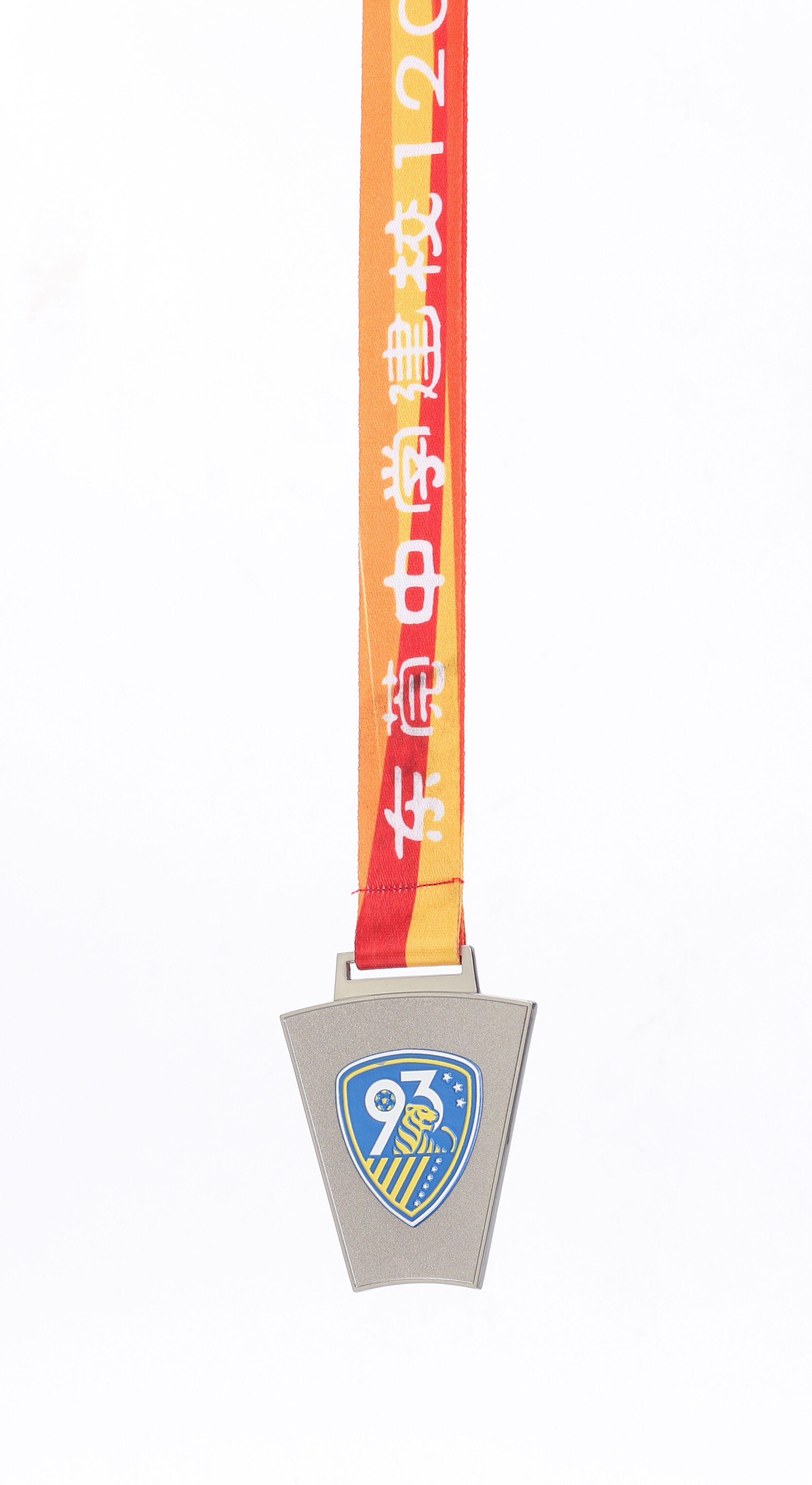
Tournament organizers constantly seek innovative ways to enhance participant engagement, create memorable experiences, and maximize the impact of their award ceremonies. Among the various recognition options available, puzzle medals have emerged as a distinctive choice that combines creative design with practical functionality. These interlocking awards offer unique advantages that traditional single-piece medals cannot match, making them particularly suitable for multi-tier competitions, team-based events, and tournaments designed to foster collaboration. Understanding the specific benefits of puzzle medal selection helps organizers make informed decisions that align with their event objectives and participant expectations.
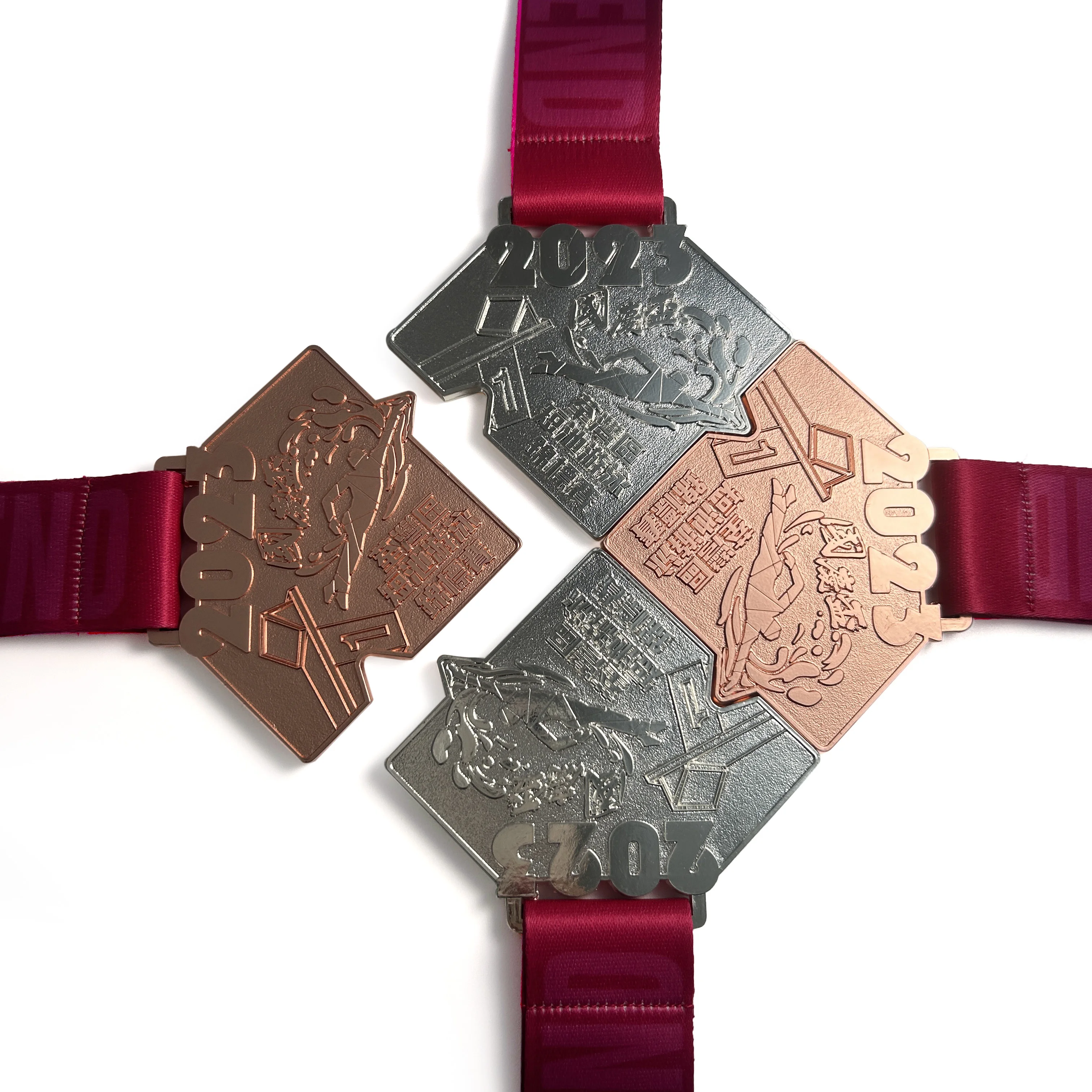
The decision to incorporate puzzle medals into tournament recognition programs extends beyond aesthetic considerations. These modular awards serve strategic purposes in competitive environments, supporting organizer goals related to team building, progression tracking, and long-term participant retention. Whether managing corporate challenge events, youth sports tournaments, academic competitions, or fitness challenges, the puzzle medal format provides functional advantages that enhance both the competitive experience and post-event value. This comprehensive examination explores the multifaceted benefits that make puzzle medals an increasingly preferred choice for tournament recognition across diverse competitive contexts.
Strategic Design Flexibility and Customization Advantages
Modular Design Enables Multi-Level Recognition Systems
The inherent modularity of puzzle medal designs allows tournament organizers to implement sophisticated recognition systems that acknowledge different achievement levels within a single event framework. Each puzzle piece can represent a distinct competitive tier, performance milestone, or challenge completion, enabling participants to accumulate pieces throughout a tournament series or multi-stage competition. This structural flexibility supports progressive achievement models where competitors work toward assembling complete puzzle medal sets, creating ongoing motivation beyond single-event participation. The physical act of connecting medal pieces provides tangible evidence of advancement through competition stages, making achievement progression visually apparent and psychologically rewarding.
Tournament directors can design puzzle medal systems with varying complexity levels to match their event structures. Simple two-piece or three-piece configurations work effectively for straightforward competitive formats, while more elaborate five-piece or six-piece designs accommodate complex tournament architectures with multiple divisions, qualification rounds, and championship tiers. The puzzle medal format inherently supports differentiated recognition strategies where piece design, finish quality, or material composition distinguishes achievement levels. For instance, preliminary round pieces might feature standard finishes while championship pieces incorporate premium materials or enhanced decorative elements, creating clear visual hierarchies within the assembled award.
Customization Opportunities Enhance Brand Integration
The segmented nature of puzzle medals creates expanded surface area for customization compared to traditional single-piece awards. Each puzzle component can feature distinct design elements, allowing organizers to incorporate comprehensive branding, detailed event information, sponsor recognition, and category-specific graphics across the medal system. This distributed design approach enables richer storytelling through award imagery, with each piece contributing to a complete visual narrative when assembled. Tournament organizers can leverage this characteristic to create cohesive brand experiences that reinforce event identity while providing practical information about achievement context.
Customization advantages extend to color coordination and finish variation across puzzle medal pieces. Organizers can implement color-coding systems where specific hues represent different competitive divisions, age categories, or skill levels, making achievement identification immediate and intuitive. Finish variations such as antique bronze for participation pieces, polished silver for advancement tiers, and gold plating for championship components create tactile and visual distinction that enhances perceived value. The puzzle medal format accommodates these variations without compromising design coherence, as the interlocking mechanism ensures all pieces remain compatible regardless of finish differences.
Scalable Production Supports Event Growth
Tournament organizers planning multi-year event series benefit from the scalable production characteristics of puzzle medal systems. Once a core puzzle medal design is established, organizers can produce additional compatible pieces for subsequent tournament editions, allowing returning participants to expand their collections across seasons. This continuity creates long-term engagement incentives while maintaining cost efficiency through consistent tooling and production processes. New participants can begin their collection journeys while veterans work toward completing comprehensive sets, supporting mixed-experience competitive environments.
The modular production approach also enables responsive inventory management. Organizers can manufacture puzzle medal pieces in quantities matched to expected achievement distributions rather than committing to fixed award inventories. This flexibility reduces waste associated with over-production while ensuring adequate supply for high-demand achievement tiers. Production scalability becomes particularly valuable for tournaments with variable participation levels or unpredictable competitive outcomes, where traditional award procurement might result in surplus or shortage situations. The puzzle medal format provides adjustment capabilities that align inventory with actual need.
Enhanced Participant Engagement and Motivation Dynamics
Collection Incentives Drive Continued Participation
The puzzle medal format inherently creates collection dynamics that motivate ongoing tournament participation beyond single-event engagement. When participants understand that individual pieces contribute to larger assembled awards, they develop investment in completing their collections through continued competitive involvement. This psychological mechanism operates powerfully in tournament series, seasonal competitions, and recurring challenge events where regular participation becomes the path to collection completion. Unlike traditional awards that provide standalone recognition, puzzle medals establish forward-looking achievement frameworks that keep participants focused on future competitive opportunities.
Collection incentives prove particularly effective in youth sports tournaments and academic competitions where long-term skill development aligns with sustained participation. Young competitors who accumulate puzzle medal pieces across multiple events develop tangible progress records that document their competitive journeys. Parents and coaches can reference these assembled collections as evidence of dedication and advancement, reinforcing positive participation patterns. The visual nature of incomplete puzzle medal sets creates gentle motivation to continue involvement, as the desire for completion drives return participation without requiring external pressure or artificial incentives.
Team-Based Competitions Benefit from Collaborative Assembly
Puzzle medals offer unique advantages in team-based tournament formats where collaborative achievement deserves recognition. Organizers can distribute individual puzzle medal pieces to team members based on role performance, contribution metrics, or position-specific achievements, with complete assembly requiring contributions from all participants. This recognition approach acknowledges individual excellence within team contexts while reinforcing the collective nature of success. Team members must physically connect their pieces to create complete awards, symbolizing the interdependence that characterizes effective team performance.
The collaborative assembly aspect of puzzle medals creates memorable post-competition moments as teams gather to connect their earned pieces. This ceremonial activity extends the recognition experience beyond traditional medal presentations, providing additional opportunities for celebration, team photography, and shared accomplishment reflection. Tournament organizers can structure these assembly ceremonies as formal event components, adding experiential value to standard award presentations. The puzzle medal format transforms recognition from passive receipt to active participation, enhancing emotional connection to the achievement and strengthening team cohesion through shared assembly experiences.
Progression Tracking Creates Visible Achievement Pathways
The physical accumulation of puzzle medal pieces provides participants with visible evidence of competitive progression that abstract point systems or digital tracking cannot replicate. Competitors can display their growing collections, creating tangible reminders of achievement history and motivation for continued advancement. This visibility factor operates both personally and socially, as participants can share their puzzle medal collections with family members, peers, and broader social networks, generating recognition beyond the immediate competitive environment. The puzzle medal format essentially converts abstract achievement data into displayable physical artifacts that communicate accomplishment at a glance.
For tournaments structured around skill development and progressive mastery, puzzle medals serve as milestone markers that document the advancement journey. Participants working through beginner, intermediate, and advanced competitive tiers can see their progression reflected in expanding puzzle medal collections, with each new piece representing conquered challenges and developed capabilities. This visual progression tracking supports goal-setting behaviors and provides concrete evidence of improvement, particularly valuable in youth development programs where tangible success indicators reinforce learning and practice commitment. The puzzle medal system transforms competitive participation into a documented journey rather than a series of isolated events.
Economic and Logistical Implementation Benefits
Cost Efficiency Through Modular Production Economics
The modular nature of puzzle medal systems creates production economies that can reduce per-participant recognition costs compared to equivalent traditional award programs. Manufacturing individual puzzle medal pieces typically requires less material than producing comparable standalone medals, particularly when pieces feature open designs or strategic material distribution. The interlocking mechanism itself adds perceived value without necessarily increasing material costs proportionally, creating favorable cost-to-value ratios. Tournament organizers working within constrained recognition budgets can leverage these economics to provide meaningful awards that appear substantial when assembled while maintaining cost discipline.
Production cost advantages extend to multi-tier tournament recognition systems where different achievement levels traditionally require completely distinct award designs. With puzzle medals, organizers can maintain consistent base designs across tiers while using finish variations, size differences, or material upgrades to distinguish achievement levels. This approach reduces design costs, simplifies vendor communication, and streamlines approval processes compared to managing multiple independent award designs. The shared design language across puzzle medal pieces also creates brand consistency that enhances professional presentation, delivering aesthetic benefits alongside cost efficiencies.
Storage and Transportation Advantages Support Event Logistics
Individual puzzle medal pieces typically occupy less storage volume than equivalent traditional medals, particularly when pieces feature efficient geometric designs. This space efficiency benefits tournament organizers managing large participant volumes or operating in venues with limited storage capacity. Transportation logistics similarly benefit from compact puzzle medal dimensions, as pieces can be packed with higher density and transported with reduced shipping costs. For tournaments requiring medal transport to remote venues or international locations, these logistical advantages translate to meaningful operational savings and simplified event setup processes.
The modular format also enables flexible distribution strategies that traditional medal programs cannot accommodate. Organizers can distribute puzzle medal pieces at different stages throughout multi-day tournaments, reducing the ceremonial time required for mass recognition events while creating multiple achievement celebration moments. Participants can receive pieces immediately upon completing specific challenges or qualifying rounds, maintaining motivation throughout extended competitive periods. This distributed recognition approach spreads logistical burden across the event timeline rather than concentrating it at closing ceremonies, improving operational flow and participant experience.
Inventory Management Flexibility Reduces Waste
Tournament organizers frequently face inventory challenges when ordering traditional medals, as final participation numbers and competitive outcomes often differ from initial projections. Puzzle medal systems provide inventory management flexibility by allowing organizers to stock individual pieces rather than complete award sets. This approach enables responsive adjustment to actual participation levels and achievement distributions, reducing both shortage and surplus situations. Unused puzzle medal pieces from one event can often be incorporated into subsequent tournaments, particularly when designs maintain consistent branding across event editions, further minimizing waste and maximizing inventory efficiency.
The component-based inventory approach also supports contingency planning for unexpected competitive scenarios. Organizers can maintain buffer stock of individual puzzle medal pieces to accommodate tie situations, additional qualification positions, or expanded recognition categories without committing to full award set inventories. This flexibility proves particularly valuable for tournaments experimenting with new competitive formats or recognition structures, where traditional award procurement might require conservative estimates that either limit recognition opportunities or create excess inventory. The puzzle medal format aligns inventory investment with actual recognition needs more precisely than conventional alternatives.
Distinctive Presentation and Ceremonial Value Creation
Assembly Ceremonies Enhance Recognition Experiences
The puzzle medal format enables unique ceremonial opportunities that transform standard award presentations into interactive recognition experiences. Organizers can structure ceremonies where participants physically assemble their puzzle medals during the presentation, creating participatory moments that engage competitors beyond passive receipt. This interactive element proves particularly effective for youth tournaments and family-oriented events where experiential components enhance overall event satisfaction. The assembly process itself becomes a memorable activity that distinguishes the recognition moment from conventional medal presentations, increasing emotional impact and recall.
Tournament directors can leverage puzzle medal assembly as a symbolic gesture representing achievement consolidation or team unity. Championship presentations might feature captains assembling team puzzle medals as final ceremonial acts, with each piece placement representing contributions from different team members or success across various competitive dimensions. These symbolic presentations create powerful visual narratives that resonate with participants and spectators, generating content for event promotion and documentation. The puzzle medal format essentially provides built-in ceremony structure that organizers can develop into signature recognition traditions unique to their tournament brands.
Display Characteristics Generate Extended Recognition Value
Assembled puzzle medals typically create more substantial display pieces than equivalent single medals, as the combined dimensions and geometric complexity of connected pieces generate greater visual presence. This display advantage extends recognition value beyond the competition venue, as participants are more likely to prominently exhibit awards that command attention and invite inquiry. The distinctive appearance of assembled puzzle medals naturally prompts conversation about achievement context, effectively extending tournament promotion through participant social networks. Display value becomes particularly significant for corporate challenge events and professional competitions where workplace or public exhibition generates ongoing brand exposure for tournament organizers.
The modular nature of puzzle medals also enables creative display configurations that traditional medals cannot support. Participants can arrange pieces in varied geometric patterns, create wall-mounted displays showing collection growth over time, or incorporate pieces into shadow boxes with supporting memorabilia. This display flexibility enhances personal connection to awards by allowing individual expression in presentation choices. Some competitive programs provide custom display stands or mounting systems specifically designed for puzzle medal collections, adding service value that distinguishes their recognition programs from standard tournament awards. The puzzle medal format transforms simple recognition into displayable achievement art that maintains visibility and emotional resonance long after competition concludes.
Social Media Shareability Amplifies Tournament Visibility
The visually distinctive nature of puzzle medals makes them highly effective content for social media sharing, as the interlocking design and assembly process create photogenic moments that generate engagement. Participants naturally document their puzzle medal collections and assembly experiences through social media posts, effectively providing organic tournament promotion to extended networks. Organizers benefit from this amplification effect without additional marketing investment, as participant-generated content authentically communicates tournament value to potential future competitors. The puzzle medal format essentially converts every award into a potential marketing asset that extends event visibility beyond immediate participants.
Tournament organizers can strategically enhance social shareability through design choices that optimize photographic appeal. High-contrast color combinations, intricate detail work, and three-dimensional design elements create visual interest that translates effectively to digital media. Some organizers incorporate hashtag suggestions or social media prompts directly into puzzle medal designs, encouraging standardized sharing that consolidates online conversation around tournament brands. The puzzle medal format provides natural content hooks that facilitate participant storytelling and community building, supporting marketing objectives while delivering recognition value. This dual function makes puzzle medals particularly cost-effective recognition tools that serve both participant satisfaction and organizational promotion goals.
FAQ
How many pieces should a tournament puzzle medal system include?
The optimal piece count depends on tournament structure and recognition objectives. Simple two-piece or three-piece puzzle medal designs work well for straightforward competitive formats with clear winner and runner-up categories, while more complex tournaments with multiple divisions or multi-stage progression benefit from four-piece to six-piece systems. Consider that each additional piece increases collection complexity and potentially extends the time required for participants to complete sets. Most tournament organizers find that three to four pieces provide the ideal balance between recognition sophistication and practical manageability, allowing meaningful tier differentiation without creating overly complicated collection requirements.
Can puzzle medals be designed for both individual and team competitions?
Yes, puzzle medals adapt effectively to both individual and team competitive formats through strategic design and distribution approaches. For individual competitions, participants earn pieces based on personal achievement milestones, performance rankings, or progression through qualification stages. Team competitions can distribute pieces to individual members based on role contributions, then celebrate collective success through collaborative assembly ceremonies. Some hybrid approaches award identical team pieces to all members while adding individual distinction pieces based on specific performance metrics, creating recognition systems that acknowledge both personal excellence and team contribution within unified puzzle medal frameworks.
What materials work best for tournament puzzle medals?
Zinc alloy remains the most popular puzzle medal material due to its excellent durability, fine detail reproduction capability, and cost-effectiveness at tournament scale production volumes. This material supports intricate interlocking mechanisms while maintaining structural integrity through repeated assembly and disassembly. For premium tournament recognition, brass or bronze puzzle medals provide enhanced weight and traditional medal feel, though at higher production costs. Stainless steel offers maximum durability for outdoor or high-contact tournament environments. Material selection should consider participant age groups, handling expectations, budget constraints, and desired perceived value, with zinc alloy providing the optimal balance for most tournament applications.
How do puzzle medals compare in cost to traditional tournament medals?
Puzzle medal costs typically fall within comparable ranges to traditional medals when evaluated on a per-piece basis, though total program costs depend on recognition system design. Individual puzzle medal pieces generally cost less than complete standalone medals of equivalent quality, creating potential savings for multi-tier recognition programs. However, complete puzzle medal sets requiring multiple pieces may represent higher per-participant investment than single traditional medals. The cost comparison ultimately depends on achievement distribution assumptions and recognition program structure. Many organizers find that puzzle medals deliver superior perceived value relative to actual costs due to their distinctive design, collection dynamics, and extended engagement benefits, making them cost-effective choices even when absolute costs slightly exceed traditional alternatives.